Iran Signs Integrated Production Services Contract for 55 Azadegan Oil Wells
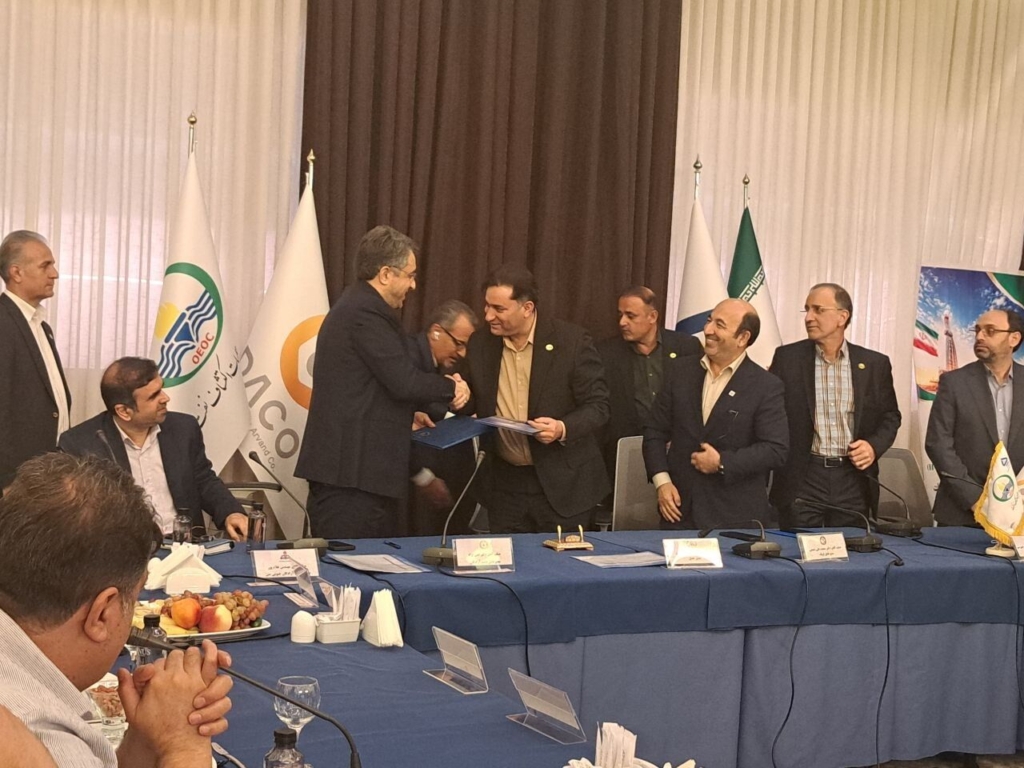
RoydadNaft – An integrated production services (IPS) contract between the Oil Exploration Operations Company and Dasht Azadegan Arvand Oil and Gas Development Engineering has opened a new phase of cooperation on conservation production and higher recovery at Iran’s Azadegan oil field.
According to Roydad Naft, development of Azadegan is a priority of the 14th government in energy and in the revival, development, and production of Iran’s shared oil and gas fields. After years of delay, and with direct follow-up by the president, the project has now moved into execution.
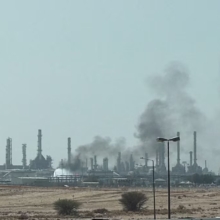
Azadegan is the world’s 10th-largest oil field, with 33 billion barrels of oil in place, and is shared with Iraq. Officials describe it as one of the main fronts in Iran’s economic contest: across the border, international companies including Chevron of the United States are producing from the field, making faster Iranian output a strategic necessity.
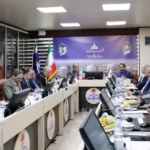
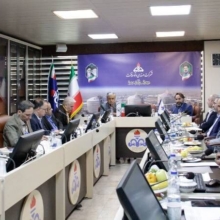
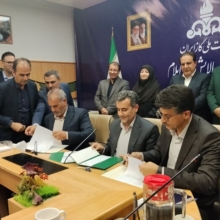
Azadegan is also called the world’s largest shared onshore oil field. After the president’s call last year to raise oil production, it has drawn more attention. On Sunday, September 20, 2026, a meeting was held to launch field projects covering 55 wells, with Dasht Azadegan Arvand, the Oil Exploration Operations Company, and Oil Industries Engineering and Construction (OIEC) present, so development can move ahead on a set budget and timetable.
Ready to deploy eight heavy rigs and carry out IPS contracts
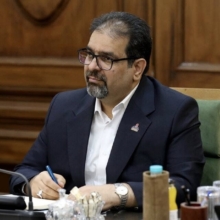
Abbas Sarkari, chief executive of the Oil Exploration Operations Company, said his firm is ready for full participation in Azadegan’s development and announced the IPS contract with Dasht Azadegan Arvand. He called Azadegan not only a national asset but a symbol of the resilience of Iran’s oil industry, and said the contract starts a new phase of joint work on conservation production and a higher recovery factor from the shared reservoir.
Sarkari said the company, using Iranian specialists and modern equipment — including eight 2,000-horsepower drilling rigs and 13 technical-service units — is prepared to act as an execution arm for clients and speed field development, not merely as a commercial contractor.
Fast, precise, high-productivity work at Azadegan is the plan, he said. The company is ready to carry out well-advance operations under 10 IPS and MOS contract packages.
Four drilling rigs are now available for future oil-industry projects, he added. The work assigned to the company at Azadegan is scheduled for 14 months.
Fleet expansion with 2,000- and 3,000-horsepower rigs
Mohammad Ali Shafiei, chief executive of OIEC, pledged full cooperation across the upstream chain to accelerate the national megaproject. He said Azadegan, at this scale of investment, is among the largest oil projects in Iran and even globally, and that OIEC is ready to put its engineering and operating capacity behind it.
He listed seismic work, engineering studies, drilling, and well services among the group’s capabilities for integrated support. Fleet renewal is moving quickly, he said: the Oil Exploration Operations Company has signed a contract for two 3,000-horsepower rigs, and preparations are in place to add two more. Supply and development of 1,500- and 2,000-horsepower rigs are also on the group’s agenda.
Highest HSE standards required
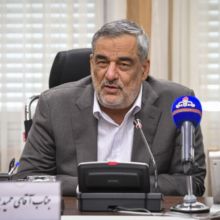
Esmaeil Gholampour, Azadegan development project manager at the Petroleum Engineering and Development Company (PEDEC), said all well-level work must follow National Iranian Oil Company permits and the approved master plan, and must meet the highest health, safety, and environment standards. Azadegan is already producing and supplies a significant share of Iran’s crude, he said, so operations in the southern sector are especially sensitive. Any work on the wells must proceed with care and speed and without disrupting continuous output.
All development, artificial-lift, and well operations must stay inside NIOC’s approved program and official permits, he said. Nothing outside that roadmap will be allowed, so coordination between upstream parties and the client remains tight.
Failure to meet safety and environmental standards in such a sensitive field can have lasting consequences for the project and the crews, he said. Partner companies and the client are expected to apply the highest level of supervision and protective measures.
16-well package and $2 billion in National Development Fund facilities
Mahmoud Aminnejad, chief executive of Dasht Azadegan Arvand Oil and Gas Development, said the strategic project has started after three years of deadlock. He said the National Development Fund has agreed to $2 billion in facilities and that a drilling and workover package for 16 new wells will soon be issued to the Oil Exploration Operations Company.
A consortium of Bank Melli, Bank Tejarat, Bank Mellat, Bank Parsian, Bank Shahr, the National Development Fund, Petropars, and Ahdaf formed Dasht Azadegan Arvand, he said. Administrative complexity and delays in document approval had brought the consortium close to dissolution and a bank pullout. Direct intervention by the president and strategy meetings with the oil minister and senior economic officials finally ratified the contract and authorized formal activity.
Aminnejad called Azadegan a strategic shared field. If work is not executed at speed over the next two years, he said, Iran could face the same kind of lost-opportunity costs it saw at South Pars against competitors. Mutual trust between client and contractor, less red tape, and a focus on executing plans in the shortest time are now the priority.
With government economic backing, he said, there is no financing deadlock. Contractors are expected to bring maximum operating capacity to the field.
In addition to the IPS contracts, a new operating package of 16 wells will be formally assigned to the Oil Exploration Operations Company to raise daily output from the reservoir faster, he said.
Development of the oil industry must be tangible for local residents, Aminnejad added. Significant funds have been set aside for jobs for local youth and for health, education, and welfare facilities in the Azadegan plain, so field progress moves in step with better livelihoods for nearby communities.