Iran’s Environment Agency Demands Oil Ministry Guarantees on Sohrab Field in Hoor al-Azim
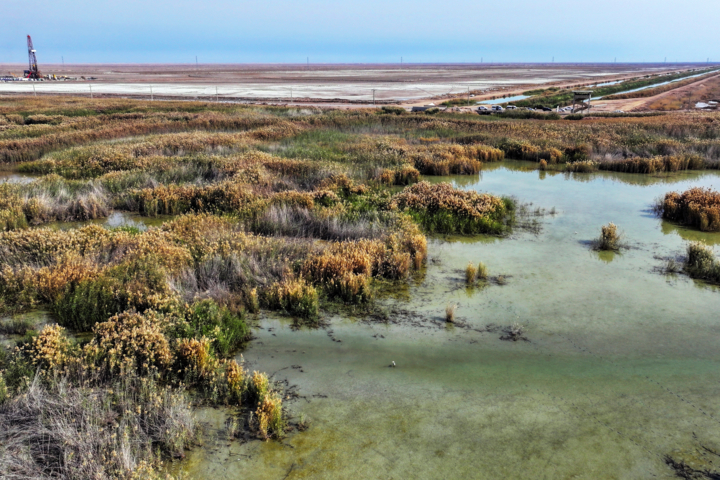
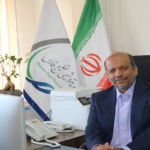
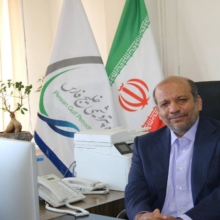
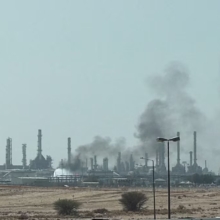
RoydadNaft – Iran’s Department of Environment applied unusually strict scrutiny to the Sohrab oil field after its experience at North and South Azadegan and is insisting the Oil Ministry guarantee its environmental commitments so damage to the Hoor al-Azim wetland is kept to a minimum, the deputy for marine environment and wetlands said.
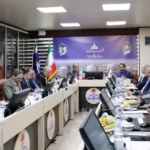
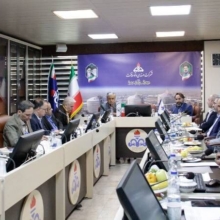
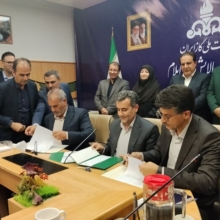
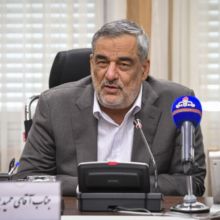
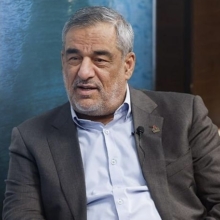
Ahmadreza Lahijanzadeh told a Monday, Sept. 14, 2026, civil-society meeting on restoring Hoor al-Azim that Khuzestan’s oil, farming, petrochemical and fisheries resources are large enough that any one of them could sustain a country, Roydad Naft reported. Residents’ demand to see the benefits of development is justified, he said. Development ministries should meet environmental groups at least every three months.
Khuzestan produces more than 20 million tons of farm output and hosts about 22 petrochemical complexes. Lahijanzadeh said people in Mahshahr have a fair question: why infrastructure and living conditions do not match the billions of dollars those plants earn from exports. Abadan’s refinery a century ago created an urban economy; people there now see accumulated problems and are sensitive to new projects. The same worries would attach to any new scheme, not only Sohrab.
About 20 kilometers from Ahvaz, an oil area produces around 700,000 barrels a day. On a 2018 visit with lawmakers, nearby villages still lacked basic school and road facilities, he said. West Karoun fields have generated about $60 billion in recent years, yet roads and other infrastructure remain weak.
He called for a requirement that the Oil, Agriculture, Energy, and Industry ministries meet NGOs at least quarterly, at deputy-minister level, so disputes are handled before they reach a crisis. The environment agency’s door is open, he said, but groups often cannot reach the companies doing the work.
From blocked water to restored links
Oil work in Hoor al-Azim began with the Oil Ministry’s first request for South Azadegan in 2003–2005. The field sits in the southernmost part of the wetland. An environmental assessment permit was issued in 2005–2006 and the ministry accepted about 22 commitments. A North Azadegan permit followed in 2010–2011. The two fields were then treated as one, with two licenses.
In 2010–2011, to allow work at South Azadegan, the Karkheh inlet on Shatt Ali was blocked with a bridge-like structure. About 50,000 to 60,000 hectares dried out and became a dust source. In the 2010s, court action and a shift in Oil Ministry approach led to repairs of oil roads and wartime roads that had damaged the wetland. More than 230 culverts and 42 to 43 bridges restored much of the water connection. That link now exists, Lahijanzadeh said, and the ministry has started broader work to cut oil impacts inside the wetland.
Strict review of Sohrab
After Azadegan North and South and the addition of the Yaran field, the environment agency was much stricter on Sohrab. Correspondence began in 2019–2020 and assessment in 2020–2021, after the other two fields already had permits. Sohrab is far smaller than South Azadegan, which now has more than 100 active wells, or North Azadegan, but the earlier experience drove a special review.
The environmental impact report was revised eight times. The seventh edition was filed in January–February 2023 and the eighth on July 30, 2025. Dozens of meetings followed until the agency concluded Sohrab could proceed with the least possible wetland damage. Almost all of the agency’s requirements were written in, and the plan was substantially scaled back, he said. Documents exist.
Guarantee and flood design
The remaining issue is a ministry guarantee that the commitments will be kept. Pad locations, the water zone and the pipeline route were changed, and the line was placed on a road to limit disruption of water flow. Imam Reza Road had previously blocked floods because the existing bridge could not pass water; crews even had to blast openings. Lahijanzadeh said he spent 27 to 28 days almost around the clock in the area to keep Susangerd — and Hamidiyeh upstream — from going under. Sohrab now includes three bridges in that stretch to pass floodwater.
Joint restoration and Ramsar listing
He asked the public to trust the agency’s oversight and said studies have begun, with several universities, on a comprehensive management and restoration plan for the whole wetland. Internationally, Iran and Iraq have defined a joint Hoor al-Azim restoration project of $10 million for each country. Early stages are approved and a final United Nations announcement is awaited.
Border status and water disputes with Iraq had blocked a Ramsar listing. After meetings at the Foreign Ministry those issues were resolved, and the last letter has gone to the United Nations. Lahijanzadeh said he hoped the Iranian part of Hoor al-Azim would be listed under the Ramsar Convention by the end of the Iranian year in March 2027.