Iran’s Petrochemical Capacity Tops 100 Million Tons in a Wartime Year
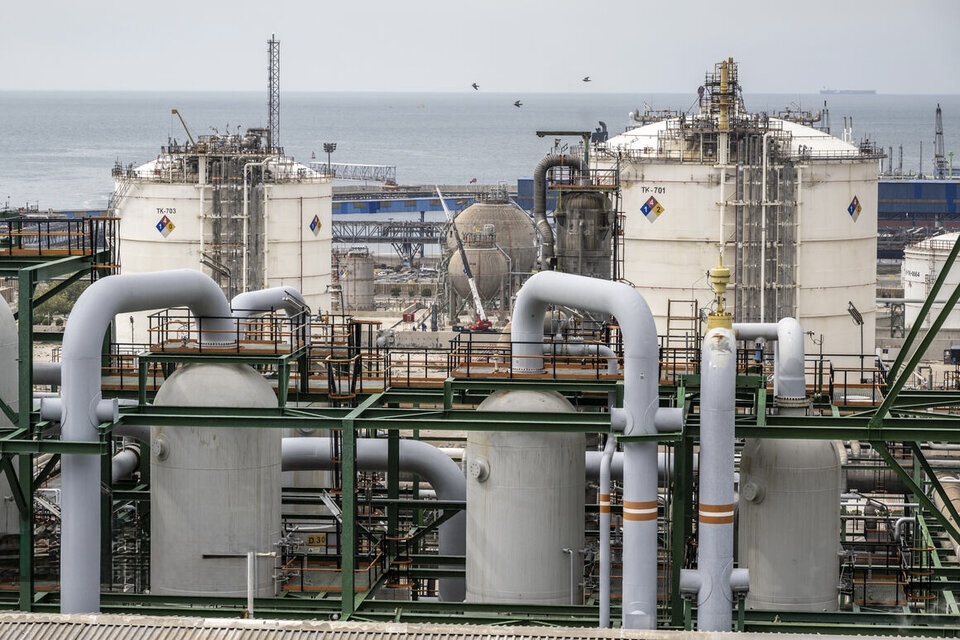
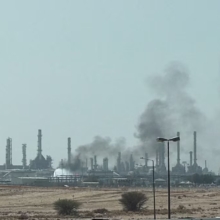
RoydadNaft – Iran’s petrochemical industry reached 101.4 million tons of installed capacity in the Iranian year 1404 (ended March 20, 2026), a long-standing development milestone, even as enemy attacks and two wars disrupted the economy.
Roydad Naft reported that 1404 was an unusual year for the sector. Development projects continued through a 12-day war and a later 40-day war. Eight petrochemical schemes totaling 4.82 million tons a year came on stream, and actual output was 75.3 million tons.
Crossing 100 million tons of installed capacity is a major mark on a path constrained for years by sanctions, harder access to equipment and technology, and tight finance.
Output in abnormal conditions
The figures matter more because of how they were produced. Petrochemical plants depend on a linked chain of feedstock, energy and utilities, equipment, maintenance, transport and technical services. A break in any part can hit complex performance. Military conflict made that chain harder to run and added operating risk.
The gap between nameplate capacity and actual output is separate. In normal years it reflects turnarounds, feedstock and energy limits, unplanned stops and markets. In 1404, wartime conditions added to those factors. Last year’s production volume should be read against that higher-risk operating backdrop.
Development did not stop
Commissioning eight plants added 4.82 million tons of capacity, but start-up is not the end of an investment. New units still have to reach stable output, lock in economic rates and find markets. For downstream schemes, links to later industries decide much of the economic effect. Full results of the 1404 start-ups will show more clearly as output rises and products find their place.
Sanctions and domestic capability
Sanctions have limited finance, technology, equipment and some international services. That hardship pushed the industry toward more domestic equipment and parts, engineering, maintenance, in-house plant needs, technical know-how and catalysts. Iran is not independent of foreign technology and equipment, but stronger local supply in strategic areas has made it easier to keep running under external limits.
After 100 million tons
101.4 million tons is a quantitative landmark. As the industry gets larger, using that capacity better matters more: clearing operational bottlenecks, shortening downtime, improving maintenance and applying new technology, with stable feedstock and energy. Raising the performance of existing plants can in some cases take less capital and time than building a new complex, so part of future growth can come from productivity inside units already built.
From volume to value
The next step is not only more tons. Product type and place in the value chain matter more at this scale: moving from basics toward higher-value goods, developing the propylene chain and engineering polymers, and strengthening downstream industries so more of the economic value stays in Iran. Using feedstock to make a wider, higher-value slate rather than only selling basics will shape the quality of growth.
1404 in three numbers
Installed capacity 101.4 million tons; 4.82 million tons of new capacity from eight start-ups; production 75.3 million tons. Those results came in a year of sanctions plus military conflict, while development projects still reached operation.
With capacity now above 100 million tons, the agenda is not only adding plants. Higher productivity, more stable operations, better use of existing assets and a shift to higher-value products will define the next years. 1404 stands as a difficult development year in which the industry kept expanding and must now turn that capacity into more durable output and more economic value.