Global Crude Oil Prices Today (September 9, 2026) / Brent Crude Climbs to $100.69
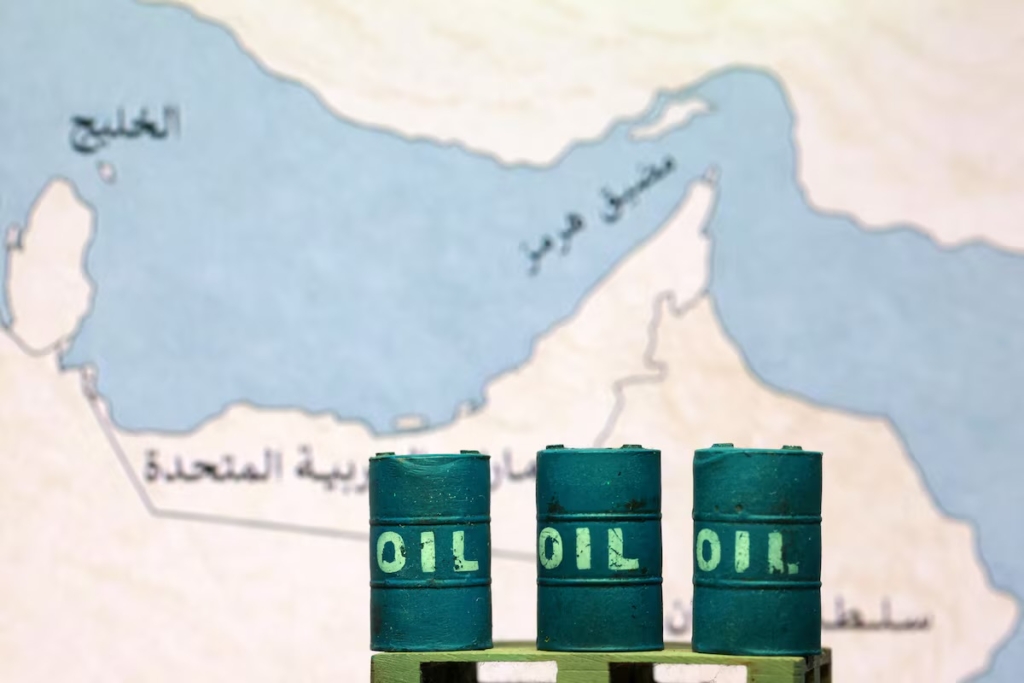
RoydadNaft – Brent crude futures rose $2.77, or 2.83%, to $100.69 a barrel. U.S. West Texas Intermediate (WTI) futures gained $2.18, or 2.34%, to $95.21 a barrel.
According to Roydad Naft, Brent crude futures crossed $100 a barrel on Wednesday, reaching their highest level in six weeks as escalating conflict in the Middle East heightened concerns over oil supply. The surge came after physical crude and refined products had already broken through that psychological threshold.
As of 10:33 a.m. GMT, Brent futures were up $2.77, or 2.83%, at $100.69 a barrel after earlier touching $100.95. U.S. WTI crude rose $2.18, or 2.34%, to $95.21 a barrel, its highest level since early June.
Since the start of the Iran war on February 27, 2026, Brent had previously peaked at $126.41 a barrel on April 30, 2026.
Ole Hansen, head of commodity strategy at Saxo Bank, said: “The move toward $100 and the renewed breach of that level show the market is gradually being forced to revise its view of how long the Middle East crisis will last and how constrained supply from the region will remain.”
This week, attacks by Iran-backed Houthis on Saudi energy facilities sparked fires at oil installations and raised the risk of a significant widening of the conflict. The attacks also threaten crude shipments through the Red Sea, an important alternative to the Strait of Hormuz, where oil flows have already been sharply restricted.
In a sharp escalation of the six-month war, U.S. forces struck several Iranian tankers, while Iran targeted a U.S. base in Jordan and attacked ships.
Supply risks are rising. Hamad Hussain, senior climate and commodities economist at Capital Economics, said: “Market participants appear to be pricing in a longer Middle East conflict as well as the risk that the recent intensification of military strikes will disrupt oil flows from the region.”
He added: “The key risk is whether recent attacks on tankers reduce ship-to-ship transfers in the Gulf of Oman, an operation that has so far played an important role in supplying global markets and keeping prices in check.”
A growing number of banks, including Goldman Sachs, Bank of America, and HSBC, have raised their crude oil price forecasts in recent days.
In the week before hostilities resumed on August 30, about 8 to 9 million barrels per day were passing through the Strait of Hormuz—twice the volume of the previous week—though that figure has recently fallen below 2 million barrels per day.
Physical oil and fuel markets were already trading above $100. In the physical market, Dated Brent—the benchmark used to price roughly two-thirds of global supply—has been above $100 a barrel since September 3.
Physical oil markets react quickly to supply disruptions because buyers must scramble to secure replacement cargoes.
Meanwhile, consumers have paid more than $100 for oil in the form of products such as gasoline and diesel for most of this year, as the conflict created a global refining bottleneck that pushed fuel prices even higher relative to crude.
European gasoil futures traded around $199 a barrel on Wednesday and have not fallen below $100 since the start of the Iran war.
The gasoil refining margin, or the fuel premium over crude, has been at historically high levels since August and reached $78.90 a barrel on September 1. By comparison, that margin averaged $21 a barrel in 2025 and $19.52 a barrel in 2024.
Hansen of Saxo Bank said: “The outlook for middle distillates such as gasoil, jet fuel, and fuel oil continues to point to extremely tight market conditions and raises the risk of further price spikes.”
European gasoline has also been above $100 since March, with its premium over crude approaching historically high levels of more than $60 a barrel at the start of the month.
In the United States, consumers faced record gasoline prices over the Labor Day weekend, and diesel prices hit an all-time high last week as supply concerns continued to tighten the fuel market.
Nitesh Shah, commodities strategist at WisdomTree, said: “This complicates the picture, as central banks around the world are already grappling with high inflation.”