Iran to Raise Sarajeh Qom Gas Storage Capacity by 50%, IGEDC Chief Says
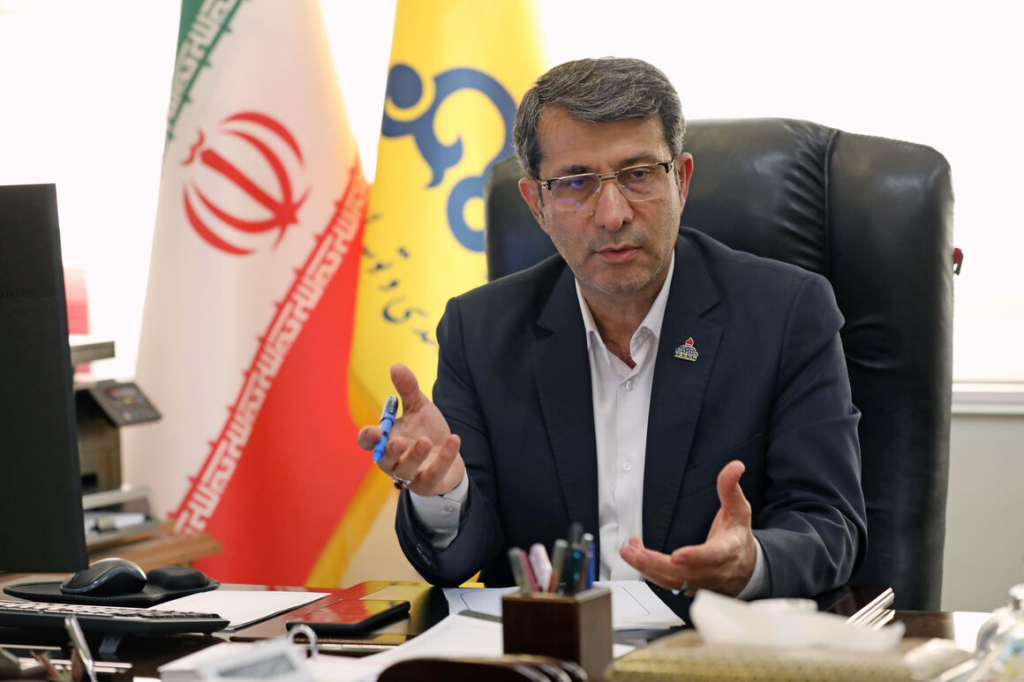
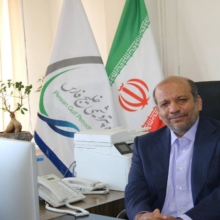
RoydadNaft – Iran can lift storage capacity at the Sarajeh Qom gas reservoir by 50% from an initial 1 billion cubic meters, the head of the Iranian Gas Engineering and Development Company said.
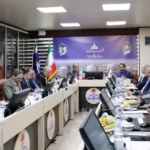
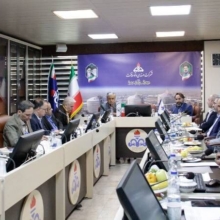
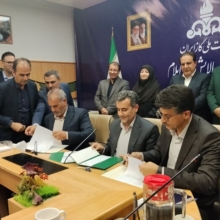
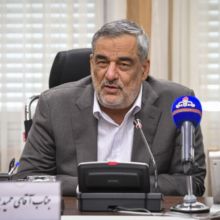
Behnam Mirzaei spoke Monday, Sept. 7, 2026, at a coordination meeting between the Oil Ministry’s public-relations director-general and PR chiefs of the four main companies, hosted by IGEDC, Roydad Naft reported. Upstream development of Sarajeh was completed last year, he said. When the downstream section comes on stream soon, national gas-storage capacity will rise.
IGEDC is targeting 517 kilometers of gas transmission pipeline in the Iranian year 1405. Part of that program is already done, and the rest is under way to strengthen network stability this winter. Twelve compressors are also due in service this year at pressure-boosting stations, based on hydraulic calculations for the network.
On damaged plants, Mirzaei said IGEDC is using simultaneous reconstruction and early production at four refineries. Responsibility for rebuilding the sixth South Pars refinery has been assigned to the company, which has started a staged rebuild to restore the plant’s gas output as quickly as possible.
IGEDC’s work covers transmission lines, compressor stations, storage, telecommunications, refinery development and infrastructure across Iran. Despite two wars and inflation pressure, he said, the company last year commissioned 774 kilometers of gas pipeline and four turbocompressor units.
He also urged public-relations units to move beyond routine announcements toward communications and information management and data-based storytelling. PR teams should explain the hardships and complexity of the oil and gas industry across the value chain, he said, rather than treating each segment in isolation.
Mirzaei listed five demands: shift from one-way publicity to communications management; explain the value chain instead of a fragmented view; tell the story professionally in uncertainty and crisis; move to data-driven PR; and take a proactive stance. Public relations should not wait for a crisis or imbalance before reacting, he said. It should identify scenarios in advance, prepare public opinion and offer forward-looking analysis so society stays aligned with decisions.