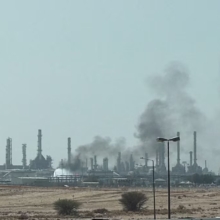
Ilam Gas Refinery in Iran Meets 103% of Its Green-Space Pledge and Cuts Flaring
RoydadNaft – The acting head of Ilam Gas Refining Company said the plant has met 103% of its green-space commitment and that environmental projects and knowledge-based firms have cut flaring and returned some flare gas to production.
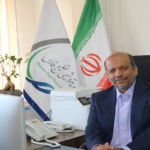
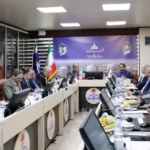
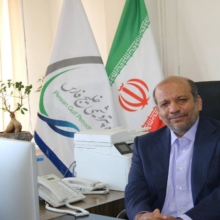
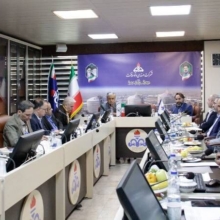
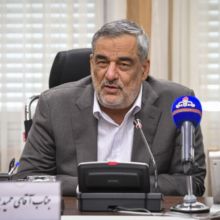
According to Roydad Naft, Masoud Morshedi spoke on Tuesday evening during a visit by Shina Ansari, vice president and head of the Department of Environment. The refinery’s industrial area covers 25 hectares, and a large share of that area and its surroundings is given to green space, he said.
Refinery waste is separated into five groups: ordinary, industrial, special, infectious, and agricultural. Last year more than 23 tons of carbon sludge and 300 tons of other material were logged in the environment system and sent to licensed firms for recycling.
Gas sent to the flare fell from 8.5% in the Iranian year 1403 (March 2024–March 2025) to 3.46% in the first half of this year (March 21–September 22, 2026).
Compressors started by specialists from knowledge-based companies have returned about 78,000 cubic meters of gas a day to production, and associated gas to the flare has fallen significantly, Morshedi said.
The flare-gas gathering project is more than 70% complete. By the first half of next year it is expected to recover about 150,000 cubic meters a day.
A heat-recovery project with capacity of 50 tons an hour is 40% complete and is being built with a €5 million investment.
The refinery’s solar plant, to supply power for non-refining sections, is due online by year-end as part of lower energy use and more renewables.
The refinery weather station monitors climate indicators and suspended particles online, and 13 observation wells have been drilled around the site to check groundwater.
No refinery effluent is discharged outside the complex, Morshedi said. About 400 cubic meters of industrial wastewater a day is recycled for green-space irrigation and firefighting.
The energy-consumption index has improved from 2.14 in the Iranian year 1402 (March 2023–March 2024) to 1.74. A final performance review will be done at year-end.
In the first half of this year, rich-gas output was 5% above plan, natural gas 11% above plan, and condensate 6% above plan. Staff work has raised refinery availability and readiness to 99.95%, he said.
Support for Persian fallow deer
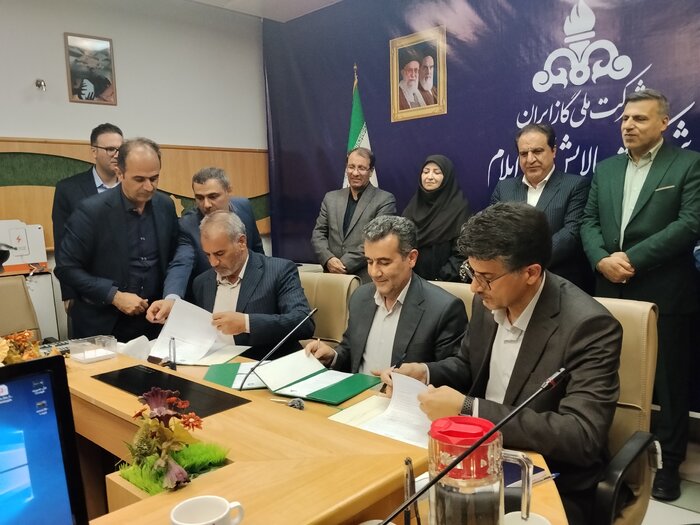
During the vice president’s trip to Ilam, Ilam Gas Refining Company and the provincial environment department signed a cooperation memorandum to protect the endangered Persian fallow deer.
Under the deal, the company will support protection programs in the province as part of its social responsibility, and the Department of Environment and the National Environmental Protection Fund will carry out the plan.
On her two-day trip, Ansari visited parts of the refinery, environmental monitoring infrastructure, the air-quality network, and the groundwater quality system.
She arrived Tuesday morning at Ilam Martyrs Airport, then visited the tomb of unknown martyrs, met the supreme leader’s representative and Friday prayer leader in Ilam, and met staff, rangers, and families of rangers killed in the line of duty.
Other stops included environmental projects and the Ivan treatment plant, meetings with academics and nongovernmental groups, provincial industries, the Kulg protected area, the opening of the Tang-e Tarikeh post, and the provincial administrative council.
Ilam, with wide forest and natural areas and 430 kilometers of border with Iraq, is an environmentally important province. Protecting forests, fighting fires, preserving plant cover, and managing drought effects are among its main environmental challenges.