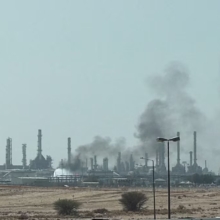
Ilam Gas Refinery in Iran Breaks Foreign Hold and Puts Machine Vision on Inspections
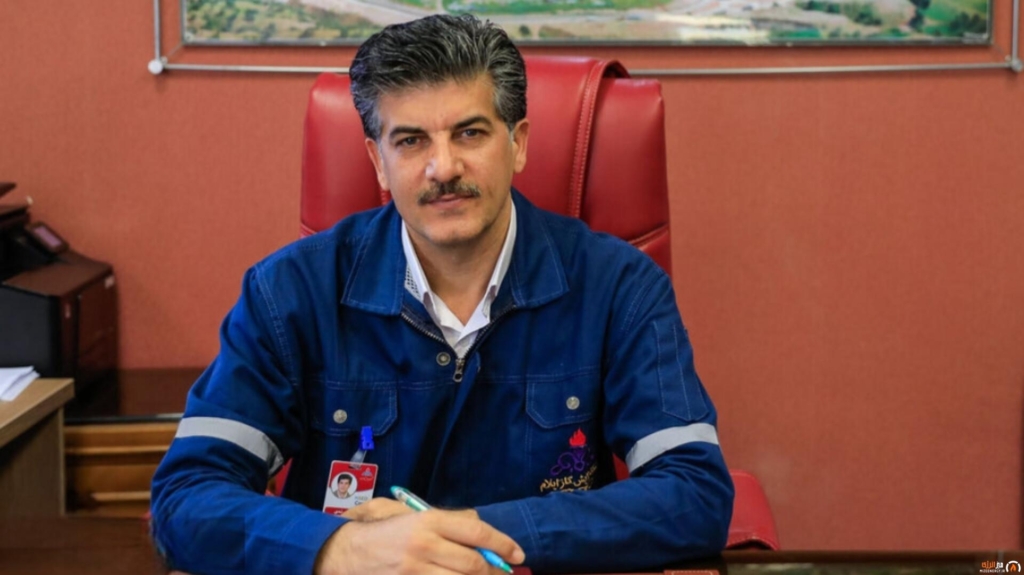
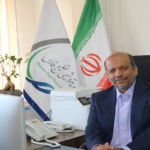
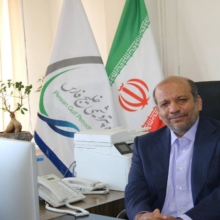
RoydadNaft – The acting head of Ilam Gas Refining Company said reverse engineering of rotating equipment and the use of machine vision in industrial inspections have sharply cut repair times, raised environmental standards, and saved millions of euros that would otherwise have left the country.
According to Roydad Naft, Masoud Morshedi said Iranian specialists, through reverse-engineering of critical rotating equipment and domestic manufacture of high-use parts, broke the hold of foreign makers and secured faster access to spares and quicker repairs.
Their direct presence on site has sharply cut the time needed to diagnose and fix complex equipment such as off-gas compressors and sulfur-unit blowers, he said.
Making critical parts inside Iran has also kept a reliable warehouse stock and cut the refinery’s reliance on foreign supply chains.
Analysis of repeat failures, including on antifoam pumps, by in-house teams led to design and engineering changes that raised operating quality and reliability above the original design, Morshedi said.
Higher refinery output
From September 23, 2025, through September 22, 2026, compared with the same period a year earlier, output of every product rose significantly.
Natural gas production was up 21%. Ethane and raw liquefied petroleum gas each rose 17%. Gas condensate rose 12%.
The largest gain was sulfur, up 29%, the fastest growth among the refinery’s products.
Ilam’s sulfur is among the highest quality in Iran and is an important feedstock for mother industries, especially sulfuric acid, he said. Good, low-cost, steadily available feedstock is vital for downstream industry, which in turn drives other parts of the country’s infrastructure.
Ethane, along with LPG and condensate, is one of three main feeds sent to petrochemicals and is the base for ethylene and light and heavy polyethylene. Growth in these products supports downstream feedstock, adds value, and can replace raw-material exports with higher-value sales, he said.
First-time manufacture
Under “first-time production” projects, the refinery designed and built strategic equipment including a coil-wound exchanger worth €850,000 and an ultrasonic corrosion-monitoring scanner worth 25 billion rials. The scanner was officially unveiled at an oil-industry exhibition.
Corrosion-resistant coatings worth €520,000 and 120 billion rials, and localization of methyl diethanolamine (MDEA) know-how worth €1.2 million, were other results. Together they saved more than €2.5 million in foreign exchange and kept that capital in the country, Morshedi said.
On digital change, the refinery has built a wireless ultrasonic system for online corrosion monitoring and a project to read industrial radiography (RT) films with machine vision. Defect detection accuracy rose by up to 40%, and inspection time fell to one-third.
Toxic BTEX compounds have been removed from industrial wastewater, and adsorbent nanophotocatalysts have been made to cut chemical oxygen demand, raising environmental standards. A study of air-cooler thermal performance is meant to limit energy waste in hot months.
A generator dynamic-stability study, funded at 11 billion rials, is aimed at avoiding emergency black starts in a crisis.
Fourteen active research projects worth 68 billion rials include sulfur fertilizers and online monitoring of energy-intensive equipment. The steps are meant to cut import dependence, support domestic knowledge-based firms, and raise production stability, he said.
Two flagship projects worth 14 billion rials cover RT-film interpretation with machine vision and offline, bilingual large-language-model management of documents, to analyze millions of technical and engineering files.
Pollution-cutting projects
Programs follow three lines: lower emissions, better energy and water use, and more stable production.
In a flare-gas recycle project, some gas that used to be burned is returned to production, cutting both waste and emissions.
In a heat-recovery steam generator on turbine exhaust, waste heat makes steam, directly cutting fuel use and raising energy efficiency.
A 1-megawatt solar plant and recycle of treatment-plant effluent are steps toward clean power and less fresh-water use. Better low-pressure boilers and optimized steam use in sweetening units supply process energy with less fuel.
Higher Claus-cycle efficiency has raised sulfur recovery and cut sulfur-compound emissions. The aim, Morshedi said, is steadier, more economic, and more environmentally compatible production with less resource use and lower pollution.