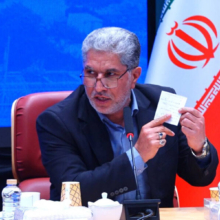
Nikzad: U.S. Can Never Reduce Iran’s Oil Exports to Zero
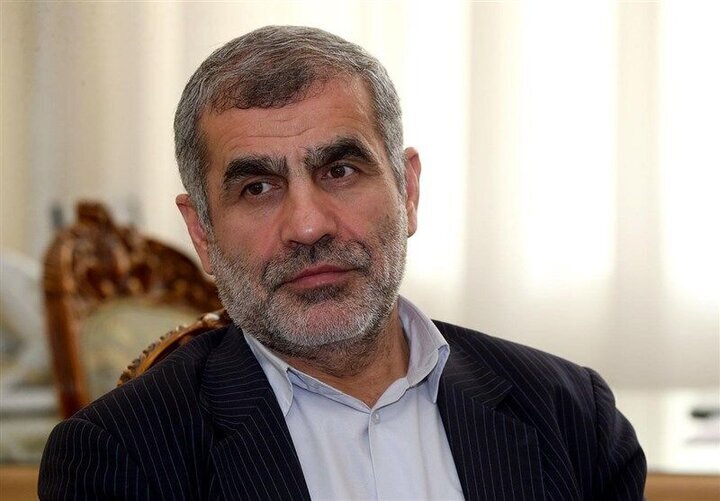
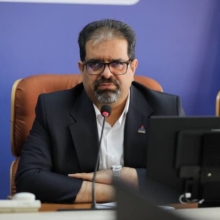
RoydadNaft – Iranian Parliament Deputy Speaker Ali Nikzad said the United States will never be able to reduce Iran’s oil exports to zero, arguing that Washington had drawn up plans targeting Iran’s oil and a significant share of the world’s oil resources and believed it could pressure Iran’s economy by gaining control of the Strait of Hormuz, but had failed to understand the Iranian people.
According to Roydad Naft, Nikzad made the remarks on Thursday, October 1, 2026, at the 27th memorial ceremony for the commanders and 235 martyrs of Miandorud County, held in the village of Injil-Nesam.
He said the adversary had planned to gain control of the Strait of Hormuz and then take control of the Bab el-Mandeb Strait, allowing it to dominate roughly 60% of the world’s oil resources located in Iran, Venezuela and Saudi Arabia. However, he said, their calculations had failed to account for the military and defense capabilities of Iran’s armed forces, as well as the unity and solidarity of the Iranian people.
Referring to the Strait of Hormuz’s importance to the global economy, Nikzad said, addressing U.S. officials: “The Strait of Hormuz belongs to Iran, and there is nothing you can do. You will never be able to reduce our oil exports to zero because your calculations about the Iranian people were wrong.”
The deputy speaker of the Iranian Parliament added that Iran was dealing with people who, in his words, lacked conscience, honor and humanity. He said they had not expected the conflict to last or the Iranian people and armed forces to stand against them with such strength, intelligence and courage. “They did everything they could to force Iran to surrender, but we did not surrender,” he said.
Nikzad said the adversaries had planned to destroy Iran’s nuclear program and missile capabilities, eliminate the resistance front in the region and take control of Iran, but had failed to understand the Iranian people’s ideological commitment.
In another part of his remarks, referring to the characteristics of Ayatollah Ruhollah Khomeini and the roadmap he had established for Iran’s unity and strength, Nikzad said the leader of the Islamic Revolution believed in the people, was not afraid of the world’s political powers and emphasized unity. He cited simple living, knowledge, resistance, commitment to national issues, courage and decision-making ability as among Khomeini’s prominent characteristics, adding that the Islamic Republic has continued to stand against what he described as the global powers of “arrogance” on the same foundations.
Referring to the steadfastness and independence of the martyred leader of the Islamic Revolution, Nikzad added that Khomeini’s successor was a leader whose example, he said, could not be found elsewhere in the world, and that he and his family had sacrificed their lives for Islam, the Revolution and the people and were martyred.
Nikzad said the country’s military, defense and missile capabilities owed much to the martyred leader’s attention to and support for these areas. He described the martyred leader as a person of comprehensive qualifications who was familiar with world literature and widely known for his close relationship with the Quran. In domestic politics, he described him as a wise and perceptive figure, and in foreign policy as far-sighted, adding that he firmly believed in the path of the martyrs.
“We stood against global arrogance under the leadership of such a unique figure and learned the path of resistance,” he said.
Referring to developments concerning the country’s leadership, Nikzad said the adversaries had believed that by removing the leadership they could destroy the country and appoint their own leader for Iran. However, he said, leadership continued along the same path as that of the martyred leader, describing this development as one of what he called God’s hidden blessings.