Iran’s Oil Minister: Firefighters Are a Main Pillar of Industry Resilience
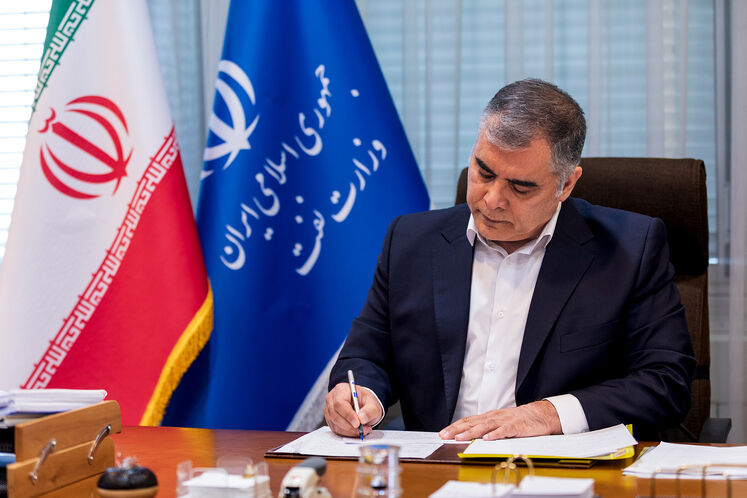
RoydadNaft – Oil Minister Mohsen Paknejad said human capital is central to the oil industry’s stability and that firefighters are a main pillar of its resilience chain. He said attention must go to their professional standing, capability, knowledge, skills, and readiness.
According to Roydad Naft, Paknejad’s message follows:
“The seventh of Mehr (September 29, 2026), National Firefighters and Safety Day, recalls the stand of the Abadan refinery firefighters and all the honored martyrs of the oil industry — men who, at the most sensitive points in the country’s history, stood on the front line of protecting facilities and serving the nation, and whose names are fixed in this industry’s history.
Over the past year the oil industry has come through difficult days. While facilities were under threat and a number of colleagues were killed in enemy attacks, staff stayed on the scene with responsibility, commitment, and round-the-clock work and continued their mission of keeping Iran’s energy supply stable. That experience showed once again that the industry’s stability depends above all on the capability and readiness of its people.
The crisis days made the link between safety and resilience clearer. Resilience starts with prevention and risk reduction, continues through coordination, preparedness, and effective response in a crisis, and is completed by a fast, safe return to stable conditions. On that view, putting in place and strengthening a prevention and risk-management system, training and empowering staff, developing equipment and new technologies, and raising operational readiness are a strategic necessity for the oil industry. In that chain, firefighters, because of their grave responsibility in emergency management, are a main pillar. Improving the professional standing of these specialist forces and developing their capability, knowledge, skills, and readiness must therefore be a priority.
The oil industry’s strategic place in supplying the country’s energy, its wide geography, operational complexity, and inherent hazards make a stronger HSE management system indispensable. That requires safety culture as a shared responsibility. Every manager and employee, at every level, must see themselves as an effective part of the risk-management chain and base daily decisions and actions on that principle, because nothing is more valuable than protecting human life, the environment, and national facilities and assets.
On this day, while honoring the memory of the oil industry’s martyrs and firefighter martyrs, I sincerely thank firefighting staff and all those working in HSE for their responsible, selfless efforts, and their families for their support and patience. I ask God for success and honor for all of them in serving the country, protecting national assets, and continuing production and energy supply.”