Iran’s Persian Gulf Star Refinery Hits 51 Million Liters of Gasoline a Day, TAPICO Says
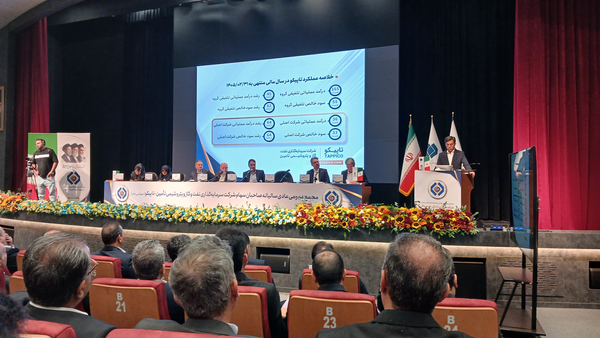
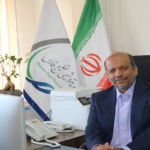
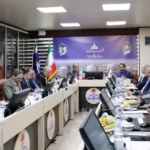
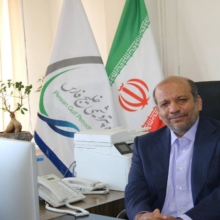
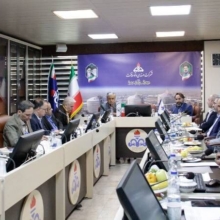
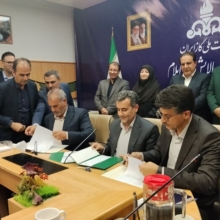
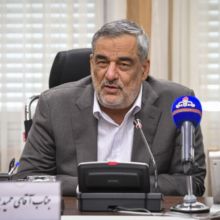
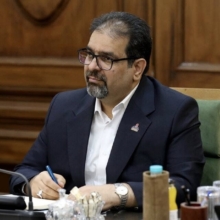
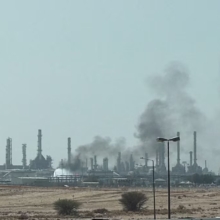
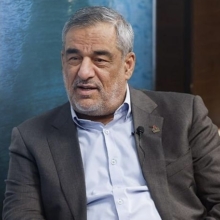
RoydadNaft – Persian Gulf Star Refinery is producing 51 million liters of gasoline a day — about half of Iran’s supply — TAPICO CEO Ruhollah Shahidipour said at the holding’s annual general meeting.
Taking control of the world’s largest condensate refinery will add substantially to TAPICO’s profitability, he told Roydad Naft. He put Star’s profit last year at 47 trillion tomans.
Loan, product deliveries and planned IPO
Shahidipour said a €1.2 billion foreign-currency loan tied to product deliveries to the National Iranian Oil Refining and Distribution Company should allow a Tehran Stock Exchange IPO of Star by the end of the Iranian year.
The loan originated in 2010–2011 from the government to NIOC’s trading arm, was passed with interest to NIORDC, and then to Star as €1.2 billion. The plan was that NIORDC, which supplies feedstock, would take products instead of hard currency and Star would settle the rial equivalent from the feedstock–product spread. Instead of €1.2 billion, Star has so far delivered products worth €1.8 billion to NIORDC.
The blockage, he said, was Annex 2 of the budget law and a government decree that assigned all of NIORDC’s income to subsidies, leaving no foreign currency to repay the Central Bank loan of €1.2 billion from 2010–11 to 2014–15. Star had no option but to keep delivering products. Since reaching capacity it has generated a surplus equal to €330 million. The account was not settled in 2021–22. Cumulative product by 2022–23 was €1.055 billion, and by the end of the last fiscal year Star had delivered €1.844 billion in products to the government.
The original loan was €1.2 billion plus €291 million in compound interest, against €1.844 billion delivered. Shahidipour said the loan to NIORDC is effectively settled and will be closed by year-end, and TAPICO is pushing for a Star IPO this Iranian year.
Star booked the deliveries one way; NIORDC booked them another. The Audit Organization objected. Ministers and the audit chief reviewed the mismatch. The root cause, he said, was the subsidy rule that swept NIORDC’s revenue.
Star’s profit had first been put at 3.7 trillion tomans; TAPICO argued the true figure should have been 100 trillion tomans. After accounts were restated, last year’s profit was recorded at 47 trillion tomans. Star’s market value was 780 trillion tomans last year and is now 1,100 trillion tomans, he said, because the foreign-currency loan had been booked incorrectly in earlier years.
This year’s Star profit is 47 trillion tomans on 770 trillion tomans of sales, with 100 trillion tomans of net profit identified in the first five months.
Portfolio, Abadan, gas and feedstock
TAPICO inherited a non-chosen portfolio through government debt settlements and wants a more focused oil, gas and petrochemical book, including a larger stake in Persian Gulf Petrochemical Industries, while selling non-core assets such as Kaveh Paper. That mill has been advertised twice.
Abadan Petrochemical, with 1,300 workers, was idle until October–November 2025. With staff effort and support from TAPICO and Social Security it restarted and was profitable in three of the first five months this year. Harir Khuzestan has been accepted on the stock exchange.
TAPICO is also running an energy-operator program with the National Iranian Gas Company to cut the gas imbalance. Khorasan Petrochemical lost gas for 110 days last year and three to four months this year. The plan is to obtain household and small-business saving certificates and turn saved gas into exportable urea.
Shahidipour said surplus LPG should be used where natural-gas feedstock is short, including at Star. Talks cover taking 20,000 barrels a day of crude, blending it with Star’s feedstock to ease the condensate shortage and support gasoline output. If crude cannot be exported, wells may have to be shut — costly to revive — whereas blending it at Star would keep production and make gasoline, he said.