Global Crude Oil Prices Today (September 11, 2026) / Brent Crude Falls to $103.88
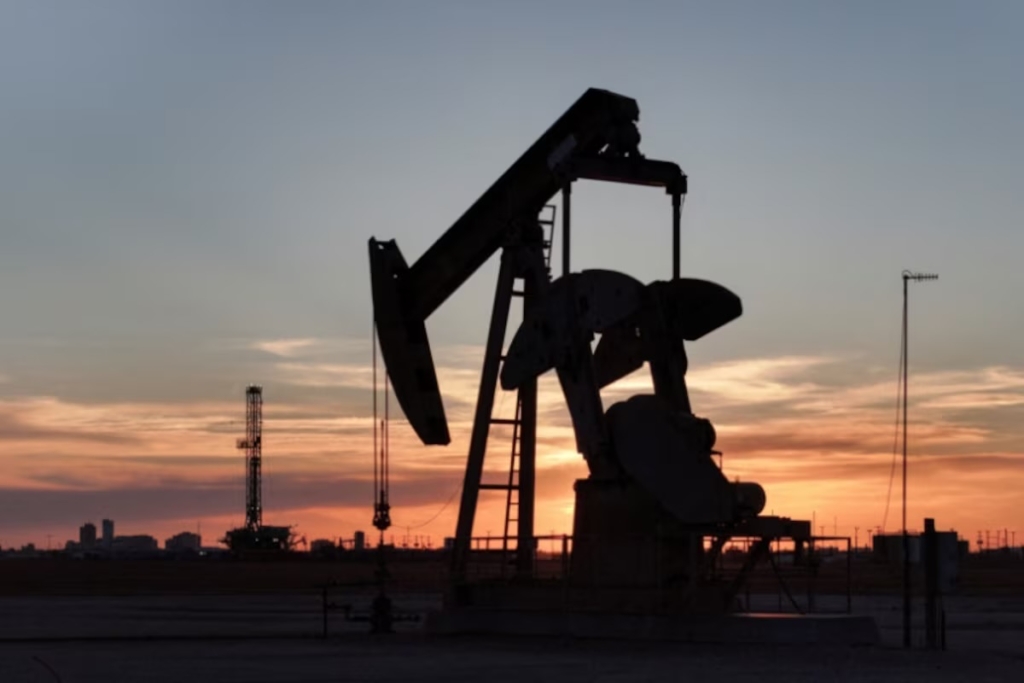
RoydadNaft – Brent crude futures fell $3.75, or 3.48%, to $103.88 a barrel. U.S. West Texas Intermediate (WTI) futures dropped $3.33, or 3.25%, to $99.15 a barrel.
According to Roydad Naft, oil prices slipped on Friday but were still up more than 7% for the week, while U.S. diesel prices hit a record high as attacks along key Middle East shipping routes stoked fears of prolonged supply disruptions.
Brent crude futures were down $3.75, or 3.48%, at $103.88 a barrel by 10:12 a.m. GMT. U.S. West Texas Intermediate crude fell $3.33, or 3.25%, to $99.15 a barrel. Both benchmarks hit their highest levels since mid-May earlier in the session.
The contracts reversed early gains after the Financial Times reported that Middle East foreign ministers are trying to work out a temporary deal with Iran to manage shipping through the Strait of Hormuz.
Brent and WTI rose more than 6% on Thursday.
Giovanni Staunovo, an energy analyst at UBS, said: “Some headlines of possible new talks in the Middle East are weighing moderately on oil prices today.” He added: “I keep seeing near-term risks to the upside for oil prices, but we should expect ongoing high price volatility too.”
Iran said it had attacked 10 ships near the Strait of Hormuz on Wednesday after the United States struck five Iranian oil tankers. Iran’s Islamic Revolutionary Guard Corps said it would escalate its response to any further attacks.
Preliminary ship-tracking data on Friday showed vessel transits at the Strait of Hormuz fell to seven on Thursday from 11 the previous day, well below the 10-day average of 15.
Before the Iran war began in late February, the strait handled about one-fifth of global daily oil and liquefied natural gas supplies.
Iran-aligned Houthis seized control of Yemen’s port of Mocha on Thursday, posing a further threat to Red Sea traffic, while Gulf traffic remains restricted through the Strait of Hormuz as tanker attacks in the region have intensified in recent days.
Analysts say attacks from Yemen on Saudi energy facilities marked an escalation beyond Iran and the Strait of Hormuz and raised fears of prolonged disruptions across the wider region.
The International Energy Agency said global oil supply and demand will fall further than previously thought this year, as a lack of progress in ending the Iran war delays the return of normal Middle East flows into 2027.
Meanwhile, two European Central Bank policymakers on Friday opened the door to further interest-rate increases if a war-fueled rise in energy prices continues and pushes up other prices in the euro zone.
Supply disruptions lift fuel prices
Oil supply disruptions caused by the Iran war, along with Ukrainian attacks on Russia’s refineries, pushed the U.S. national average diesel price past $6 a gallon for the first time on Thursday, according to price tracker GasBuddy.
Tim Waterer, chief market analyst at KCM Trade, said: “Refined products, particularly diesel, are feeling a one-two punch right now.”
He added: “As long as both the Gulf shipping constraints and Russian refining outages remain in play, diesel and other refined products are likely to show a higher upside tendency than the broader crude market.”
Commerzbank raised its year-end Brent crude forecast to $85 a barrel from $75, while increasing its jet-fuel forecast to $1,230 a ton from $980 and its diesel forecast to $1,200 a ton from $950.
In China, the state planner said on Friday it will raise retail price caps on gasoline and diesel from September 12 by 260 yuan ($38.76) and 250 yuan per metric ton, respectively.