Iran’s National Gas Grid Stabilized in Under an Hour After March 2026 Strike, NIGC Chief Says
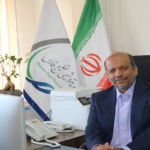
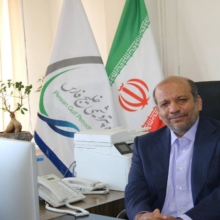
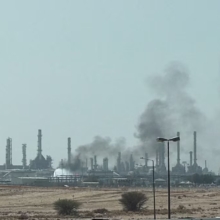
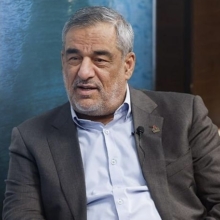
RoydadNaft – About one-third of Iran’s gas production capacity was lost in the March 18, 2026 incident, but the nationwide grid was brought under control in less than an hour and a wider breakdown was avoided, National Iranian Gas Company Managing Director Saeed Tavakoli said.
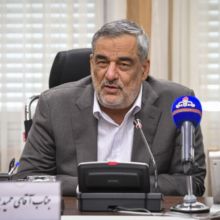
Speaking Wednesday at a winter gas-flow meeting in Mazandaran, Tavakoli described damage from an enemy attack on South Pars facilities, Roydad Naft reported. Gas injection into the network is 13% to 14% lower than in the same period a year earlier, he said, yet the share of gas delivered to power plants has been held at 85% to 86%, matching last year. That allowed power plants to build up gasoil stocks. Industry was not placed under broad restrictions, and gas deliveries to small industries and businesses rose by more than 1 billion cubic meters from the Iranian year 1404.
The episode showed that grid stability depends on diagnosing problems, preparing and deciding before a crisis, and treating the whole energy-supply chain as one national system, he said. The outlook should be national and integrated, while actions stay operational, regional and provincial, based on scenarios and specific problems. Winter reliability, especially in northern provinces, requires identifying real network issues early, focusing on critical points, defining operating scenarios and turning each problem into a clear decision and action.
Tavakoli called the recent conflict an “energy war.” The grid can no longer be managed province by province, he said, because every point is connected and a small disruption can cascade. NIGC and the energy-supply chain must be treated as one system, replacing a fragmented approach. Public calm, he added, is the most important measure of stability.
He listed three post-incident tracks: reconstruction and debris clearance, demand management and efficiency, and energy diplomacy. That experience should become an operating plan: bottlenecks, critical points and real provincial problems — especially in the north and other gas-stressed provinces — should be identified before winter, with a remedy, owner, timetable and scenario for each.
Preparation for the coming winter must start now, he said: where trouble is likely, when the network comes under pressure, and what to do in each scenario. The “match day” has to be rehearsed in advance, not solved in the crisis.
Iran’s system includes about 480,000 kilometers of distribution lines, more than 41,000 kilometers of transmission lines, hundreds of turbo-compressor units and the refineries. It is not a fixed line, he said, but a living network whose stability depends on decisions and performance across all parts.
Lessons from the Iranian year 1403 should now become resolutions, higher-level documents and operating procedures, applied in the provinces so problems are identified and acted on before they become crises. A 10% to 15% cut in consumption may not be enough on its own for a hard winter, he said, and every province should map its network, scenarios and critical points and submit an operating plan for a stable winter.
Tavakoli thanked gas-industry staff and the public, saying people are the main support for grid stability and that public anxiety should not be allowed to take hold. The aim, he said, is to get through winter with coordination, readiness and timely action.
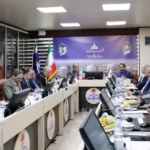
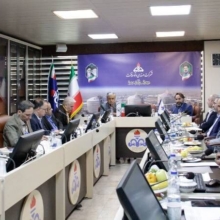
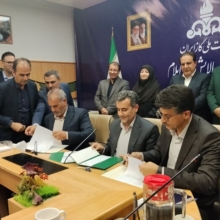
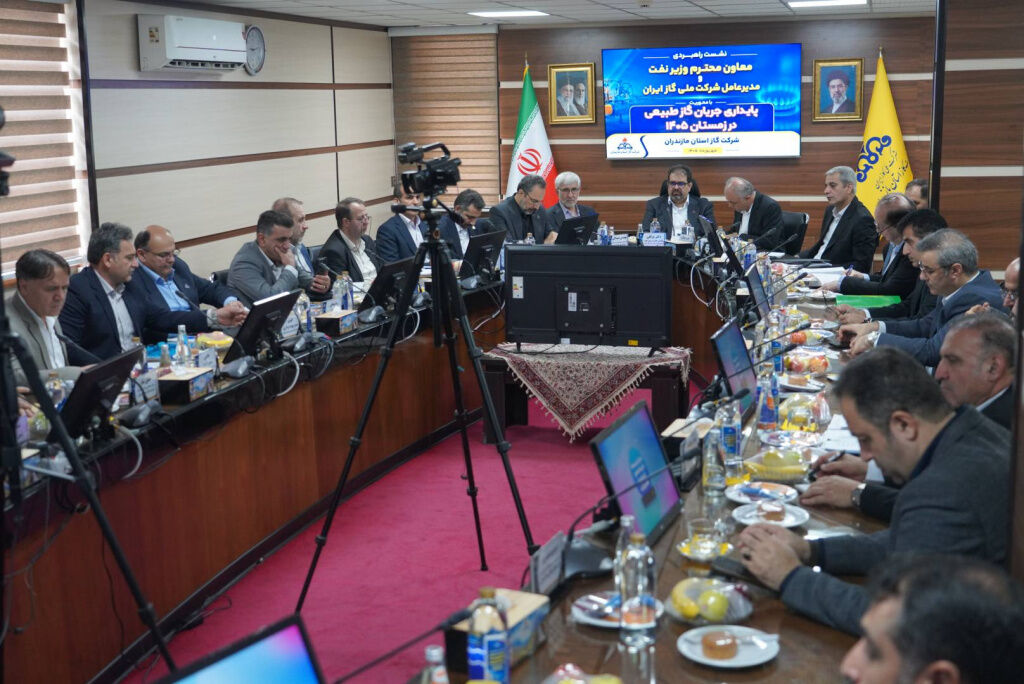
The meeting was held at Mazandaran Gas Company with senior headquarters managers and the heads of the Mazandaran, Golestan and North Khorasan gas companies and Iranian Gas Transmission Company’s District 9.