Iran Moves to Raise Resilience of Western Gas Transmission Network
RoydadNaft – Iranian Gas Transmission Company’s District 7 is using reliability projects, parallel lines, alternative routes and new infrastructure to strengthen gas supply across western and northwestern Iran, the district manager said.
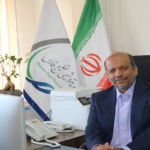
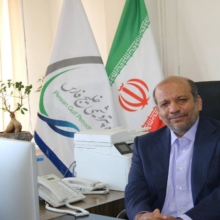
Jalil Basiri Parsa told Roydad Naft the region’s pipelines can move more than 100 million cubic meters of gas a day. At the same time, programs are under way to raise reliability, improve access to pipelines and facilities, and cut equipment failures so transmission stays more stable.
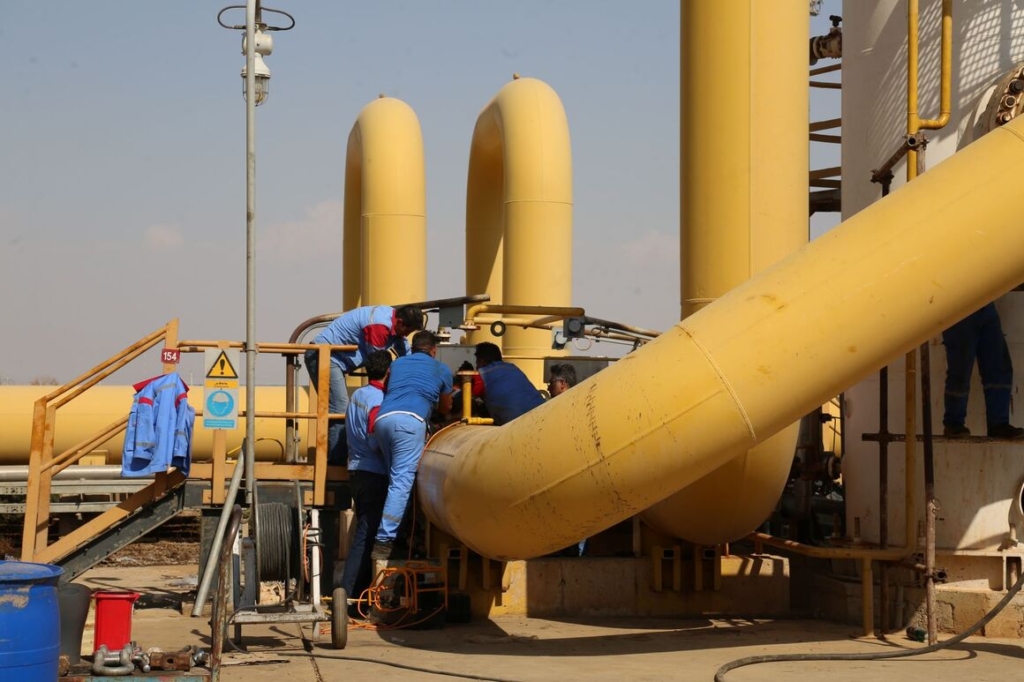
He listed the district’s main strengths as alternative routes and parallel lines; 48-inch and 56-inch pipelines with capacity above 100 million cubic meters a day; specialist operating and maintenance crews; and ready equipment and machinery. Parallel lines and connecting loops raise network resilience and allow gas to keep moving in an emergency, he said.
The Ilam pipeline operations center has been handed over and put into service and plays an important role in stable supply to western Iran. Construction of the Sanandaj pipeline operations center is about 80% complete. Coordination is also in place to hand over the third section of the Ninth Nationwide Pipeline, which he said will add transfer capacity and stability in the west.
District 7, acting for the transmission company’s operating regions at the National Iranian Gas Company, has drafted a physical-asset-management roadmap, a step toward installing that system across the company, Basiri Parsa said.
Compressor stations matter more as pressure drops naturally on long lines, he added. By holding adequate pressure, those stations make it possible to move the maximum volume of gas in winter.
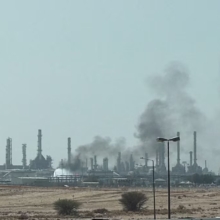
District 7 takes gas from incoming sources and delivers it to consuming provinces in the west and northwest. Any disruption on that path can affect energy security in colder, mountainous provinces, the report said.