Iran’s Pardis Petrochemical Posts Strong August Rebound as Export Urea Drives Revenue
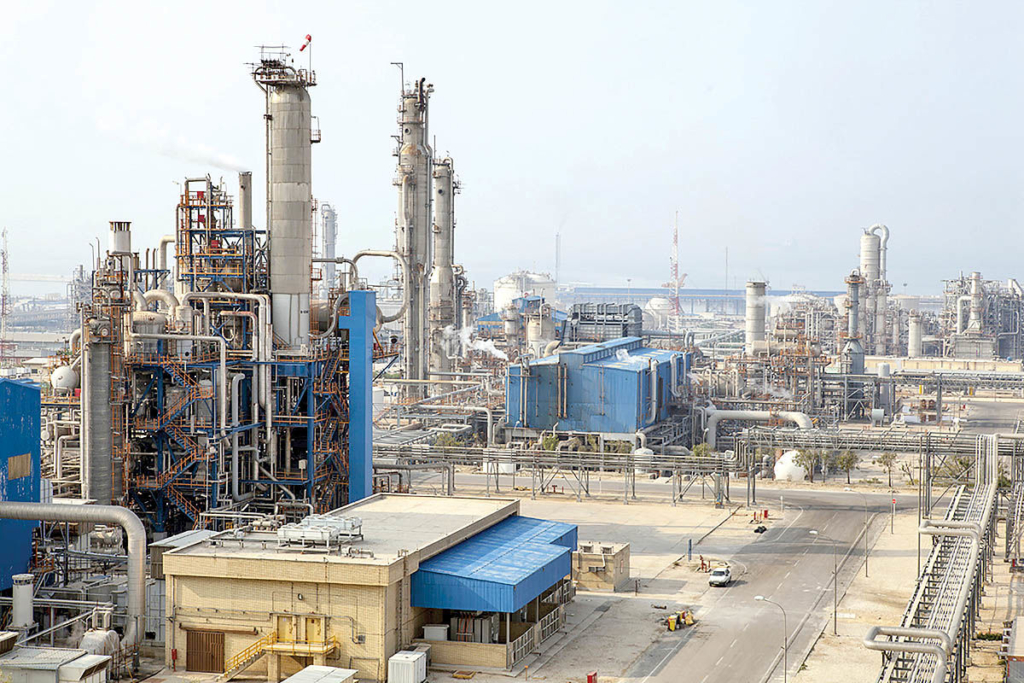
RoydadNaft – Pardis Petrochemical, listed in Tehran as Shapdis, recorded one of its strongest monthly revenue performances in August 2026, Codal filings show, with sales more than doubling from July on a surge in urea exports.
According to Roydad Naft, citing RasadBourse, the company booked about 11.36 trillion tomans in August revenue, up more than 101% from 5.64 trillion tomans in July and about 42% higher than roughly 8 trillion tomans a year earlier.
Export urea was the main driver. Pardis sold about 196,308 metric tons of export urea in August and recognized nearly 10.9 trillion tomans from product exports — about 96% of total monthly revenue. Domestic sales and other income accounted for only about 460 billion tomans.
Export loadings exceeded 198,000 tons. RasadBourse noted that booked export urea sales and export loadings are not the same figure and should not be used interchangeably.
Pardis’s fiscal year ends in September, making August the 11th month of the current year. Cumulative revenue for the 11 months ended August 2026 reached about 83.078 trillion tomans, up about 55.5% from 53.4 trillion tomans in the year-earlier period.
The August jump was not only a volume story. Higher export prices and currency effects also lifted rial-denominated revenue, the report said. A 42% year-on-year rise in revenue therefore does not imply a matching increase in tons sold. Quantity, product prices and the foreign-exchange conversion rate all need to be read together.
The 11.36 trillion-toman result ranks as the company’s second-highest monthly revenue on record and shows Pardis can still place large export cargoes. That performance came even as plants in the Pars Special Economic Energy Zone faced swings in support services. In ammonia and urea units, stable power, steam, nitrogen, cooling water and gas feedstock are critical to keeping output running. Continued production and loadings under those conditions were cited as an operational positive.
Feedstock costs rose as well. The company’s gas feedstock rate for the period was reported at 184,000 rials, or 18,400 tomans, a figure that must be read against the consumption unit in the company report and not treated as a standalone final price. Higher feedstock costs can offset part of the revenue gain, so August profitability will only be clear in the income statement and margin trends.
Whether the August level can be repeated depends on production continuity, feedstock supply, loading capacity, global urea prices and the exchange rate. Clustering several export cargoes in a single month can also produce a spike that fades the following month. The August result is a constructive signal on export capability, RasadBourse said, but one month should not be projected forward without a multi-month average.
Monthly activity reports cover output, sales volumes and revenue, not full production costs or net profit. The 11.36 trillion tomans is sales revenue, not earnings. After feedstock, utilities, freight, operating costs, tax and other expenses, the bottom line may look different.
Bottom line
Pardis generated 11.36 trillion tomans in August 2026, more than double July and about 42% above August 2025. Exports supplied about 10.9 trillion tomans, or nearly 96% of the month, on roughly 196,308 tons of export urea sales and more than 198,000 tons of export loadings. Eleven-month revenue reached 83.078 trillion tomans, up about 55.5% year on year.
Revenue growth is not the same as equal profit growth. Feedstock rates, production costs, global urea prices, the exchange rate and export expenses will determine how much of the August rebound reaches the bottom line.