Global Crude Oil Prices on Thursday, August 13, 2026 / Brent Oil Falls to $87.44
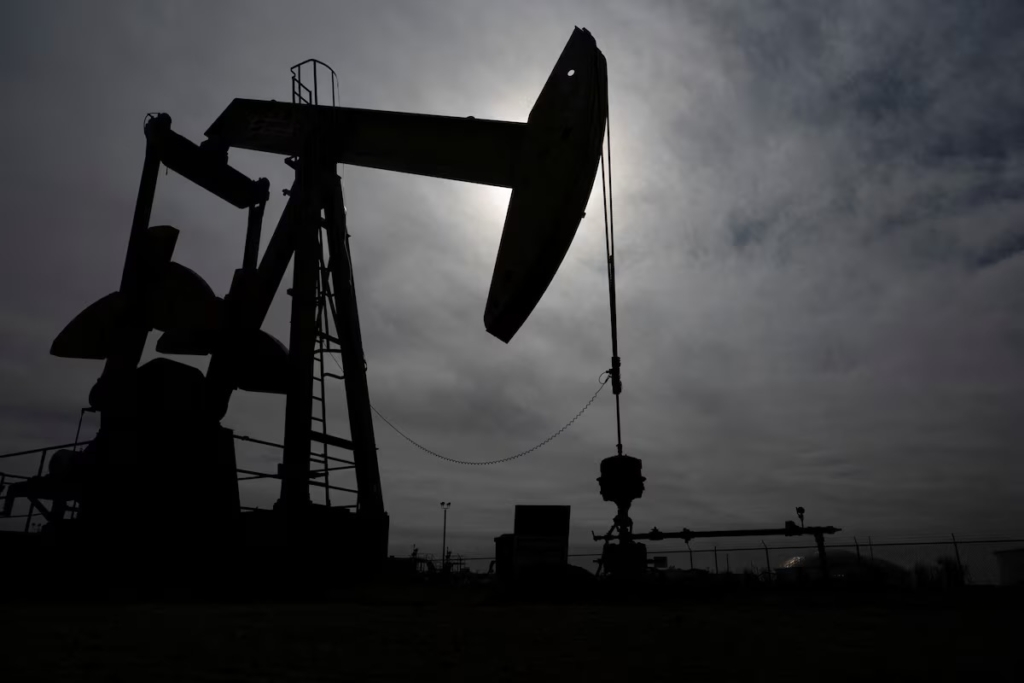
RoydadNaft – Brent crude oil futures fell $1.54, or 1.7%, to $87.44 a barrel. U.S. West Texas Intermediate (WTI) crude futures declined $1.61, or 1.9%, to $81.66 a barrel.
Oil prices declined on Thursday as investors assessed the outlook for weaker global demand this year and higher U.S. crude inventories. However, prices found support from the lack of progress in talks over the blockaded Strait of Hormuz and ongoing supply disruptions.
Brent futures were down $1.54, or 1.7%, at $87.44 a barrel by 11:40 GMT, trimming gains accumulated over the previous six sessions.
U.S. West Texas Intermediate (WTI) crude fell $1.61, or 1.9%, to $81.66 after advancing over the past five sessions.
The large crude oil build in the U.S. last week is a headwind for prices, said UBS analyst Giovanni Staunovo, adding that the downside should be limited as long as flows through the Strait of Hormuz remain depressed.
U.S. commercial crude oil inventories posted their largest weekly gain since January 2023 as exports slumped, data from the Energy Information Administration showed on Wednesday. Crude inventories rose by 17.4 million barrels to 424.4 million in the week ended August 7, their highest level since June 5, the EIA said. A Reuters poll of analysts had predicted a draw of 1.4 million barrels.
Meanwhile, OPEC lowered its world oil demand growth forecast for 2026 to 580,000 barrels per day in its monthly oil market report. The IEA said it expected a contraction of 1.6 million bpd in consumption this year, versus a forecast of 1 million bpd last month, with demand curtailed by higher prices and restricted supply due to the U.S.-Israeli war with Iran.
Supply disruptions in the Middle East and the Black Sea region continued to support oil prices, with the U.S. and Iran making competing claims over the Strait of Hormuz.
The strait is “under Iran’s control and management,” the recently appointed head of Iran’s Basij paramilitary unit said on Thursday, a day after U.S. President Donald Trump said the United States had control of the strategic waterway.
Strait of Hormuz vessel crossings excluding container ships dropped to five on Wednesday, their lowest in three weeks, Kpler shipping data showed.
Elsewhere, Russia struck Ukraine’s Izmail port area in the southern Odesa region overnight, while a drone attack triggered a fire in an industrial area in Salavat in the Russian republic of Bashkortostan, home to a large oil refinery.