Gasoline Prices in Canada Surge 60% Following the War Against Iran
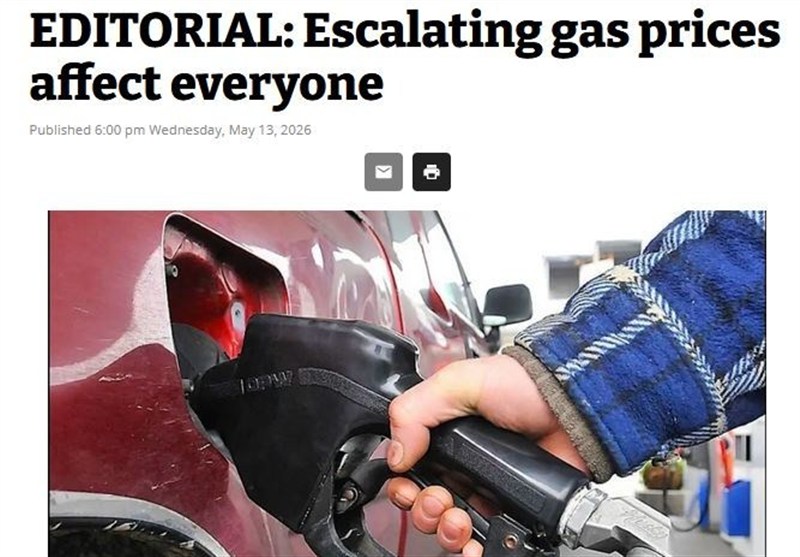
RoydadNaft – The 60% increase in gasoline prices in Canada following the war against Iran has driven up costs across the country.
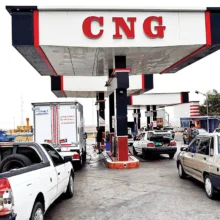
According to Roydad Naft, Capital News wrote in an editorial that gasoline prices have now surpassed CAD 2 per litre in most parts of Canada, with no significant price relief expected in the near future.
Gasoline prices are now nearly 60% higher than they were at the beginning of the year. The increase is largely tied to crude oil prices, which have risen sharply since the outbreak of the war in Iran in late February.
Roughly 20% of the world’s oil supply passes through the Strait of Hormuz near Iran. As the conflict continues, oil transportation has been directly affected. Although the war is far from Canada and the country is a net exporter of crude oil, oil prices are determined by the global market. When the supply or movement of oil is significantly disrupted, the entire world feels the impact.
When gasoline cost CAD 1.23 per litre, filling a 50-litre tank cost CAD 64.95. At the current price of CAD 2.07 per litre, filling the same tank now costs CAD 103.45 — an increase of CAD 38.50.
Unless people have seen a similar rise in their income, these higher fuel costs will force difficult financial choices, especially for those already struggling economically. Some purchases may need to be postponed or eliminated altogether in order to cope with rising transportation expenses.
In April, Canadian Prime Minister Mark Carney announced a temporary suspension of the federal fuel tax until Labour Day on September 7. While the measure offers some relief for drivers, the increase in fuel prices has far outweighed the impact of the tax cut.
Some Canadians may try to reduce driving by carpooling, walking, cycling, or planning trips more efficiently. Others may consider switching to electric or hybrid vehicles. However, many Canadians still depend on gasoline-powered vehicles for commuting to and from work as well as for daily transportation.
Even for those who can avoid driving altogether, rising fuel prices are also affecting the cost of goods on store shelves. The rapid increase in fuel prices cannot be viewed as a minor inconvenience — these rising costs are impacting everyone.