Global Crude Oil Price Today (July 17, 2026) / Brent Oil Price Rises to $86
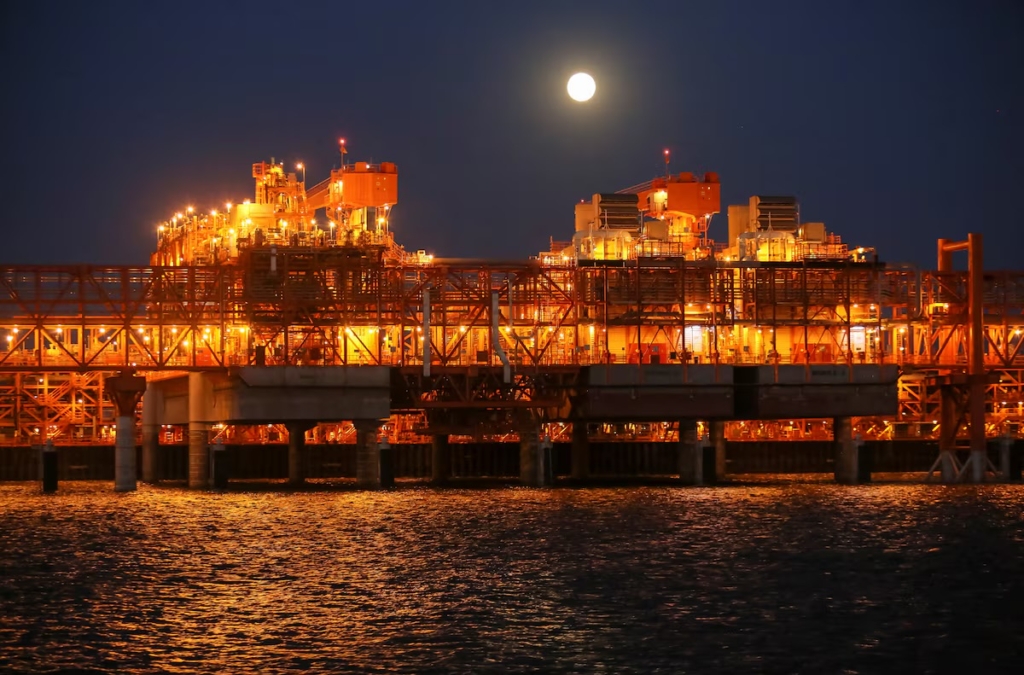
RoydadNaft – Brent crude oil futures contracts rose by $1.77, or 2.1 percent, reaching $86 per barrel. U.S. West Texas Intermediate (WTI) crude oil futures contracts increased by $1.91, or 2.4 percent, to $80.86.
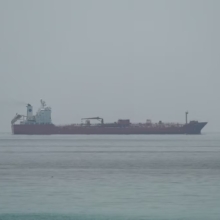
According to Roydad Naft, crude oil prices surged more than 2 percent on Friday after the United States and Iran escalated their attacks in the Persian Gulf region. This, combined with the potential threat of closing the Red Sea and restrictions on passage through the Strait of Hormuz, has put maritime shipping at risk.
Brent crude oil futures contracts rose by $1.77, or 2.1 percent, reaching $86 per barrel as of 11:58 GMT. U.S. West Texas Intermediate crude oil futures contracts also increased by $1.91, or 2.4 percent, to $80.86.
Both benchmark indices have gained around 13 percent this week, with Brent on track for its third consecutive week of gains and WTI posting its second straight week of increases.
Diesel refining margins hit a record high on Friday, with low-sulfur gasoil futures trading at a $66.25 premium over Brent.
The Middle East is a major diesel exporter, and the closure of Hormuz—along with attacks on oil refineries—has tightened the fuel market and bolstered global prices.
The breakdown of the ceasefire between the United States and Iran has led to reduced oil flows out of the strait.
Analysts at Commerzbank have written that since the start of the Iran war, traffic in the Red Sea has increased significantly due to rerouting of Saudi oil exports from Hormuz. “In the event of a blockade of the Bab el-Mandeb Strait following further escalation of tensions, oil prices—especially—will likely rise even more.”
Iran announced fresh attacks on U.S. facilities in the Middle East on Friday, including the first direct strike on Syria, following the sixth consecutive night of U.S. attacks on Iranian military sites.
U.S. Central Command announced on Thursday that American forces had launched a new wave of strikes against Iran to further degrade the country’s military capabilities.
The executive director of the International Energy Agency said on Thursday at a Council on Foreign Relations event in Washington: “Oil security remains a critical issue. We should be concerned—and I am concerned—if the situation does not improve in the coming weeks.”