Saudi Arabia is increasing its oil production and exports as part of a contingency plan in case any U.S. strike on Iran disrupts supplies from the Middle East, two sources familiar with the plan said on Wednesday.
The U.S. Supreme Court has agreed to hear a bid by ExxonMobil and Suncor Energy to scuttle a lawsuit brought by officials in Boulder, Colorado that seeks to hold the oil companies liable for helping fuel climate change in a case that could affect dozens of similar lawsuits around the country.
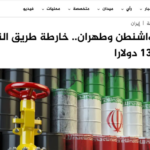
Iran’s Oil Minister Mohsen Paknejad has commented on the possibility of cooperation between Iran and the United States in the oil and gas sector, amid the ongoing nuclear negotiations between the two countries. He stated: “Everything is possible.” However, it remains unclear whether such oil and gas cooperation between Tehran and Washington will become operational at this stage.
Canada to boost direct exports of crude, LNG & LPG to India; India to send more refined products back. Deal relaunches stalled energy dialogue post-diplomatic thaw, helping Canada diversify beyond US reliance & India secure varied supplies amid global shifts.
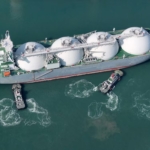
China hasn’t brought in a single cargo of US liquefied natural gas (LNG) for a full year now, but that doesn’t mean it has completely walked away from the American supply.
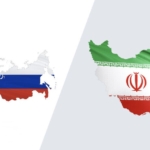
Russia’s energy minister said a comprehensive agreement signed by the presidents of Iran and Russia, along with the outcomes of recent expert-level meetings, has paved the way for a new cooperation protocol and a fresh phase in ties between Tehran and Moscow.
Hungary and Slovakia have asked Croatia to help them secure Russian oil and Hungarian company MOL initiated the release of strategic crude reserves after disruption to flows via Ukraine that the two countries have blamed on Kyiv.
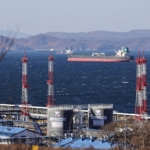
China's oil imports from Russia are on track for all-time high of over 2 million barrels per day in February as India is withdrawing from Russian spot purchases and supply is now heavily discounted for Chinese independent refiners.
Iran and Russia are aiming to increase their annual bilateral trade to $20 billion, a senior Iranian oil ministry official said Monday, as the two countries opened a joint economic commission in Tehran.
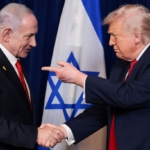
President Donald Trump and Israeli Prime Minister Benjamin Netanyahu agreed at a White House meeting on Wednesday that the U.S. would work to reduce Iran's oil exports to China, Axios reported, citing two U.S. officials briefed on the issue.
Iran’s oil minister marked the 47th anniversary of the Islamic Revolution by stressing the need to preserve unity within the oil industry, strengthen domestic capabilities and make full use of human capital, saying the sector plays a central role in countering external pressure and boosting the country’s economic resilience.
Iran’s Oil minister said there is no need for concern that the United States, after gaining control of Venezuelan oil, could strike deals with Iran’s long-standing oil customers such as China.
Venezuelan crude shipments under a $2 billion supply agreement with the United States have reached roughly 7.8 million barrels, but logistical bottlenecks, pricing resistance from buyers and storage overhangs are slowing progress and delaying a full reversal of output cuts.
U.S. forces seized two Venezuela-linked oil tankers—one flying a Russian flag—in the Atlantic, intensifying Trump’s push to dominate Venezuelan oil flows after capturing Maduro. China slams it as “bullying” as prices drop on expected supply surge.
Iran’s President Masoud Pezeshkian said the government’s reforms to gasoline and diesel pricing aim to eliminate rent-seeking and capital flight by depositing energy credits directly and fairly into people’s bank accounts.
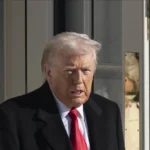
The United States could raise tariffs on India if New Delhi does not meet Washington’s demand to curb purchases of Russian oil, U.S. President Donald Trump said on Sunday, escalating pressure on the South Asian country as trade talks remain inconclusive.