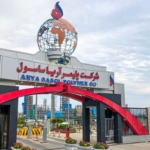
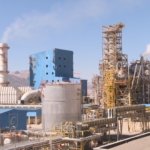
Arya Sasol Polymer Company has approved a 150% capital increase from retained earnings to fund three strategic projects that expand capacity and strengthen long-term profitability amid global market challenges.
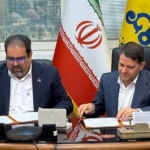
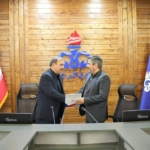
The National Petrochemical Co. (NPC) and the National Iranian Gas Company (NIGC) have signed a memorandum of understanding aimed at encouraging petrochemical companies to invest in natural gas efficiency and conservation projects.
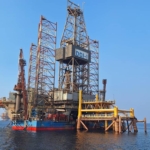
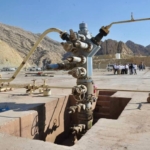
head of the National Iranian Oil Company announced the start of drilling operations for development wells at the Belal field, relying on the expertise of Iranian engineers.
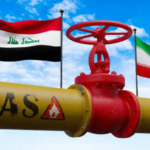
Iran has fully suspended natural gas supplies to Iraq for a seven-day period to carry out urgent maintenance and repairs on export pipelines, Iraq’s Electricity Ministry announced on Thursday.
Iranian Oil Minister Mohsen Paknejad stated that the formation of a “Supreme Energy Council” is under consideration to improve coordination among various energy sectors in the country.
Iran’s Fajr-e Jam Gas Refining Company has successfully designed, fabricated and installed the country’s first industrial waste incinerator entirely with in-house expertise, marking a new milestone in domestic engineering for the critical energy sector.
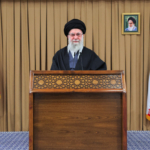
Ayatollah Ali Khamenei, in a televised speech, condemned widespread waste of fuel and food as a grave economic problem, stressing that eliminating it would greatly improve Iran’s situation and calling for public unity behind the government.
Iran’s Petropars has finished the second infill gas well (SPD1-9) on Phase 1 of South Pars ahead of schedule using domestic expertise, paving the way for an extra 800 MMcfd national output once all eight wells are done.
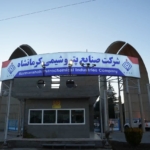
Iran’s Kermanshah Petrochemical increased urea/ammonia production and nearly doubled exports to $91M in 7 months while national petrochemical output fell 4% on energy curbs.
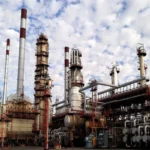
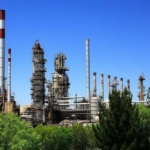
Iran’s Esfahan Oil Refining Co says its LPG recovery project – set to add $8M annual revenue – has hit 96% completion and will start up before year-end despite sanctions delays.
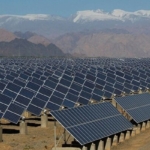
Kerman province has cemented its role as Iran’s top solar energy hub, with over 8,000 MW of projects permitted, allocated, and under construction, according to Governor-General Mohammad Ali Talebi.
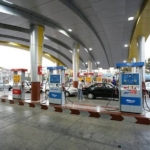
About 53 million liters of gasoline are distributed daily in Iran using station emergency fuel cards, the head of the National Iranian Oil Products Distribution Company said.
Iran’s Lordegan Petrochemical Complex set new October records for urea and ammonia output after a catalyst upgrade, generating $100 million in foreign currency from urea exports.
Petrochemical Pardis Company and Pars Special Economic Energy Zone Organization signed an MoU to boost Iran’s urea exports by securing 30,000 tons of storage and a dedicated dock for direct shipments.
Iran’s Bushehr Province’s industry chief warned that despite hosting South Pars and many petrochemical plants, the region gains little economic benefit, urging a rapid focus on downstream development and retaining financial resources locally.
Iran’s NIOC Managing Director Hamid Bord, during a surprise visit to the delayed Kesht and Konartakhteh oil fields, demanded an immediate overhaul of the development schedule and warned that no further delays will be accepted.
The National Iranian Oil Company will start producing 5 million cubic meters of gas daily from the Khartang field in December 2025, four months ahead of schedule, strengthening Iran’s energy security.
The CEO of Isfahan Oil Refinery said the refinery’s flare gas recovery project has reached 85% physical progress and is scheduled to come online by the end of 2025. The project is being implemented with a budget of more than 6.8 million euros and 520 billion rials.
The head of the National Iranian Oil Refining and Distribution Company said 391 million liters of low-sulfur mazut had been delivered to four thermal power plants by late November.
The Iranian Ministry of Economic Affairs and Finance (MEAF) unit says it is investigating a controversial instant payment made by a convicted fuel smuggler to secure his release from custody.