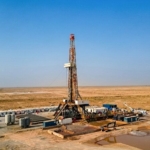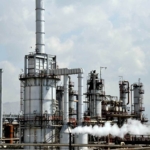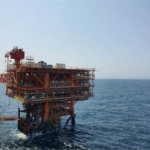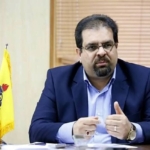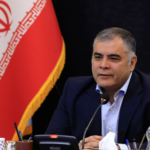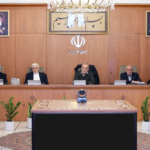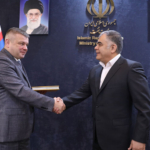
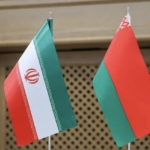
Iran and Belarus held the third virtual meeting of their joint oil industry working group to review progress and explore new opportunities for cooperation, focusing on implementing the bilateral oil memorandum of understanding between Iran’s Oil Ministry and Belarus’ Belneftekhim petrochemical association.
IRAN Feed Atom
Iran’s National Iranian Gas Company expects household, commercial and small industrial gas consumption to reach about 650 million cubic meters by the end of the week, an official said Thursday, citing colder-than-average weather.
Iran is accelerating refinery upgrade projects under its Seventh National Development Plan, concentrating resources and management on three national priority initiatives, according to NIORDC’s chief.
Cumulative oil production from the Sepehr and Jofeir oil fields has surpassed 34.5 million barrels, according to a report presented at the 24th meeting of the Joint Management Committee for the fields’ development and production increase plan.
The chief executive of Shazand Oil Refining Company said liquefied petroleum gas flaring has stopped at the facility, marking the first time in a year that no LPG was burned and all output was sold.
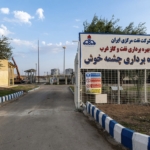
The managing director of Iran’s Central Oil Fields Company said sweet gas produced at the Cheshmeh Khosh gas refinery and the NGL 3100 plant has been successfully injected into the country’s national gas pipeline.
The project manager for the Phase 13 development at the South Pars gas field said drilling has been completed and a new well brought online, increasing the field’s daily gas production capacity by 1.7 million cubic meters.
The head of the National Iranian Gas Company said gas deliveries to the petrochemical industry rose 19.4% above the company’s commitments despite the onset of colder weather this fall.
Iran’s oil minister said the country plans to build and commission over 1,000 kilometers of gas pipelines by year’s end to boost energy security and reliability during peak demand.
President Masoud Pezeshkian said all revenue generated from the fuel price reform plan will be spent entirely on improving people’s livelihoods and that not a single rial may be used for other government purposes.
Iran’s heavy crude oil price edged lower in November in line with other grades in the OPEC basket, the group’s latest monthly report showed.
The head of Iran’s parliamentary Energy Committee said diversifying the country’s fuel mix is essential and has been clearly outlined in the Seventh Five-Year Development Plan.
The Turkish Statistical Institute announced that the value of this country’s imports from Iran in the first ten months of 2025 increased by four percent compared to the same period last year, reaching $2.035 billion.
President Masoud Pezeshkian reaffirmed Tehran’s commitment to implementing a comprehensive strategic cooperation agreement with Russia, saying Iran is determined to put the signed accord into effect and expects Moscow to expedite and finalize its part of the process.
The CEO of Pars Oil and Gas Company said the company has set a new record by producing 722 million cubic meters of rich gas per day from the shared South Pars field — an increase of 6 million cubic meters compared with last winter.
Iran’s 14th administration has rolled out coordinated fuel and vehicle initiatives to reduce emissions and improve urban air quality.
The NIOPDC chief stated the company has taken necessary steps and is fully ready to implement Iran’s new gasoline plan.
PGPIC’s CEO announced that research and development boosted production by 7%, adding 590 trillion rials in revenue while reducing costs by 180 trillion rials.
Iran launched its first SME 100 ranking, a joint IMO–ISIPO initiative to identify top-performing small and medium enterprises through structured evaluation.
Iran’s oil minister said the country offers “golden opportunities” for investment, especially in the oil and gas sector, and announced that a package of contracts has been prepared for cooperation with friendly nations.