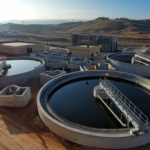
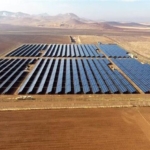
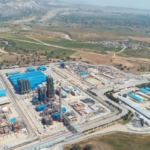
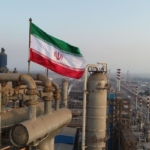
Iranian refineries are expanding efforts to conserve water and energy by building wastewater treatment plants and investing in solar power generation, a senior oil official said.
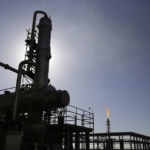
The Iranian Offshore Engineering and Construction Company (IOECC) has completed a new offshore and onshore pipeline for phase 16 of the South Pars gas field, ensuring stable production from the platform, the project manager said.
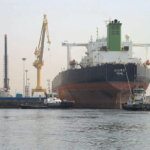
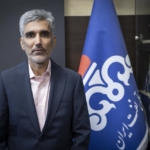
Iran’s oil exports are continuing without interruption, the head of the National Iranian Oil Company (NIOC) said on Monday, dismissing reports of losses from changes in sales methods.
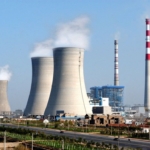
Gas consumption in Iran’s power plants, major industries, and households exceeded 4.4 billion cubic meters during the fourth week of Shahrivar (Sept. 13–Sept. 19), according to official data.
Iranian subsidiary EOGPC is ready to produce 65 million cubic meters of gas daily during the cold season, meeting the needs of northeast and northern regions.
Iran’s renewable power capacity is approaching 3.0 gigawatts (GW) and is forecast to reach 7.0 GW by the end of the current Iranian calendar year (late March 2026), according to a senior official from the Renewable Energy and Energy Efficiency Organization (SATBA).
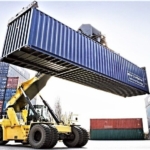
Iran has exported its first TIR Carnet shipment to Kuwait through the Shalamcheh border crossing, marking a milestone in the country’s regional trade expansion, the Khorramshahr Chamber of Commerce said.
The National Iranian Drilling Company announced the completion of drilling operations on the second development well at the Yadavaran joint oil field, part of a six-well project.
The National Petrochemical Company’s production control director said Iran’s petrochemical output in 1404 has remained defensible despite a 12-day war, with field development, flare gas recovery and investments in gas-saving projects identified as key strategies to secure stable feedstock.
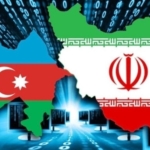
The head of the Iran-Azerbaijan Joint Chamber of Commerce said the two countries will hold a meeting of their joint economic commitee in Tehran next week, with Azerbaijani Deputy Prime Minister Shahin Mustafayev attending, Tasnim news agency reported.
Iran's petroleum industry saw a significant shift in May 2025, with the National Iranian Oil Co. (NIOC) introducing over 200 investment opportunities worth $137 billion, promoting partnerships with the private sector and foreign investors.
The CEO of the National Iranian Drilling Company (NIDC), Mehran Makvandi, announced that two wells in Lali oilfield, codenamed 37 and 38, have been put into operation for field testing by Masjed Soleiman Oil and Gas Exploitation Company.
Iran’s reliance on natural gas for about 73% to 74% of its energy mix is unprecedented worldwide and poses long-term risks, the head of the National Iranian Gas Company said.
Iran’s oil minister said Wednesday that the country is pursuing the outcomes of the 18th Iran-Russia Joint Economic Cooperation Commission and preparing to host the 19th session in Iran.
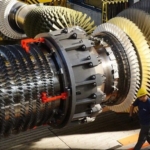
Iran has exported an advanced gas turbine to Russia for the first time, Energy Minister Abbas Aliabadi said on Tuesday, marking a milestone for the country’s power industry despite Western sanctions.
The National Iranian Gas Co. is accelerating strategic projects and boosting efficiency at South Pars refineries to ensure stable gas production during the cold season, a senior official said.
Daily oil production in Iran has increased by 3,000 barrels following the launch of well Fahliyan-52 at the South Azadegan field, raising the field’s total output to 61,900 barrels per day, Petropars Group said.
The energy optimization director of the National Petrochemical Company announced that 1.7 billion cubic meters of gas have been saved over the past four years through efficiency projects.