Global Crude Oil Prices Today (April 7, 2026) / Brent Crude Rises to $110.34 per Barrel
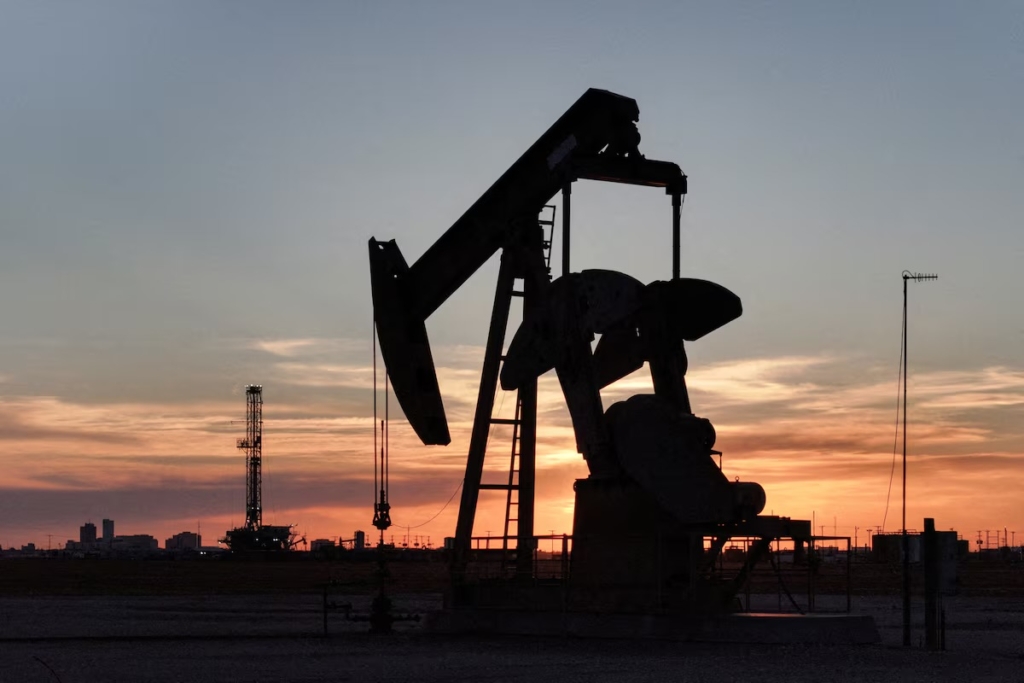
RoydadNaft – Oil prices rose on Tuesday, April 7, 2026, as U.S. President Donald Trump sharpened his tone toward Iran and threatened harsher measures if the Strait of Hormuz — one of the world’s most critical oil transit points — is not reopened.
According to Roydad Naft, Brent crude futures rose 57 cents (0.5%) to $110.34 per barrel (as of 12:02 GMT). Meanwhile, U.S. WTI crude futures climbed $1.26 (1.1%) to $113.67 per barrel.
Trump has threatened that if Iran does not reopen the Strait of Hormuz by 8 PM Eastern Time on Tuesday (the set deadline), “hell” will rain down on Tehran. He warned that “they can be wiped out” and promised further actions if no agreement is reached.
Iran has rejected a temporary ceasefire proposal from the United States mediated by Pakistan, stressing that a permanent end to the war is necessary and maintaining its resistance against pressure to reopen the Strait of Hormuz.
Iranian forces have effectively controlled/closed the Strait of Hormuz since the start of American and Israeli attacks on February 28, 2026. This waterway normally carries about 20% of global oil flow.
Tim Waterer, senior market analyst at KCM Trade, said: “On the eve of Trump’s ultimatum deadline, the clock is ticking almost as much as fundamental factors in the oil market. The possibility of reaching a ceasefire agreement could lower prices, but ongoing concerns about oil supply due to the closure of the Strait of Hormuz and damage to energy facilities have kept a floor under prices.”
The UN Security Council is scheduled to vote on Tuesday, April 7, 2026, on a resolution to protect commercial shipping in the Strait of Hormuz. However, the resolution has been significantly watered down because China opposed any authorization for the use of force.
Saudi Arabia also announced that on Tuesday, April 7, 2026, it intercepted and destroyed seven ballistic missiles fired toward its eastern region, with some debris falling near energy facilities.
These conflicts have put pressure on the global oil market, pushing the spot premium for U.S. WTI crude to historic record levels as Asian and European refineries compete for alternative supplies to replace disrupted Middle Eastern sources.
Saudi Aramco also raised the official selling price of its Arab Light crude to Asia for May delivery, setting a record premium of $19.50 per barrel above the Oman/Dubai average.
On the other hand, Russia reported that Ukrainian drones attacked the Caspian Pipeline Consortium oil terminal in the Black Sea, which handles 1.5% of global oil supply. Russia reported damage to loading infrastructure and storage tanks.
OPEC+ agreed on Sunday to increase its oil production quota by 206,000 barrels per day in May, but this increase will largely be nominal, as key members are unable to actually boost output due to the closure of the Strait of Hormuz and export limitations.