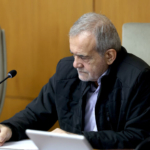
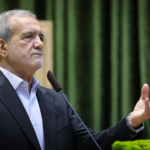
President Masoud Pezeshkian emphasized standing firm against enemy aggression, stating that the government is working to ensure people’s daily lives remain unaffected.
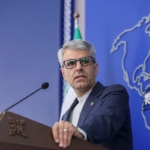
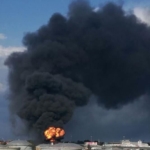
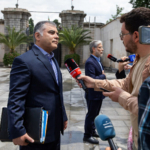
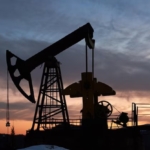
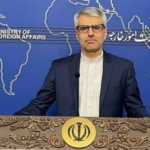
attack on Iran’s oil facilities in Asaluyeh is a clear sign of the Zionist regime’s intent to drag others into this conflict, the Foreign Ministry spokesperson said.
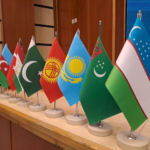
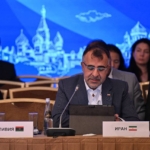
The Economic Cooperation Organization (ECO) condemned the Zionist regime's aggression against the Islamic Republic of Iran in a statement, calling it a clear violation of Iran's sovereignty and territorial integrity.
Israel’s attack on Iran and heightened tensions in the area pose significant risks to India in terms of curtailed supplies of oil and a 40-50% increase in the export costs, according to analysts and trade experts.
Iran Oil Minister Mohsen Paknejad condemned the Zionist regime's attack on military commanders, scientists, and defenseless women and children, highlighting the regime's inhumane nature.
Israeli regime launched unprovoked military aggression against Iran, killing IRGC commanders, nuclear scientists, and civilians, including revered leaders.
The U.S. depends on Canadian oil imports, despite comments by President Trump that the U.S. does not need to import goods including oil and gas from Canada, Cenovus Energy CEO Jon McKenzie said Tuesday, according to Reuters.
Iran’s oil minister denied claims of declining oil exports, stating that the Oil Ministry is prepared to install a drilling rig in the Arash oil field.
India's Russian crude oil imports reached a 10-month high of 1.96 million barrels per day in May, driven by continued availability at significant discounts compared to global benchmark prices.
Crude oil exports from Iran to its biggest buyer, China, shrank last month on tighter U.S. sanctions and refinery maintenance, Bloomberg has reported, citing data from Vortexa.
The spokesperson for Iran’s Foreign Ministry stated that Iran has consistently emphasized constructive cooperation with Kuwait in the energy sector, particularly regarding the Arash gas field and the joint exploitation of its resources, based on bilateral negotiations and past dialogue.
Iranian deputy minister of finance and economic affairs said that FATF is expected to take confidence-building steps in reply to Iran's set of measures in the field of combating money laundering and terrorism financing, including the ratification of the Palermo Convention.
Iranian Parliament's Energy Committee member reports proposal for Energy Ministry to consolidate energy sector management under review, requiring further discussions on implementation and organizational structure.
President Pezeshkian prioritizes reforming consumption patterns, increasing productivity, and fair subsidy distribution to address the current crisis, claiming that proper management could eliminate poverty in the country.
U.S. President Donald Trump said Moscow and Kyiv want to settle the war in Ukraine and that Russian President Vladimir Putin was more inclined towards peace after the recent fall in the price of oil.
The European Union will on Tuesday announce a roadmap to phase out the bloc's remaining gas ties with Moscow, but in the absence of sanctions it will be difficult for buyers to exit gas contracts using legal options such as force majeure.
President Donald Trump on Thursday threatened sanctions on anyone who buys Iranian oil, a warning that came after planned talks over Tehran’s rapidly advancing nuclear program were postponed.
The US imposed sanctions on entities involved in the illicit trade of Iranian petroleum and petrochemicals ahead of a new round of US-Iran negotiations.
The Gas Exporting Countries Forum (GECF) expressed deep sorrow over the deadly explosion at Shahid Rajaee Port in Bandar Abbas of Hormuzgan Province offering condolences to Iran’s government and people.