OPEC’S daily oil price has risen consistently since 3rd June, a day after it fell considerably after holding 188th OPEC and 37th OPEC+ Ministerial Meetings on June 2.
Portfolio investors sold record volumes of petroleum last week after OPEC⁺ surprised the market by announcing plans to increase production starting from the fourth quarter of 2024.
While Nigeria, Africa’s largest oil producer, continues to grapple with production and export challenges, Iran is experiencing a significant rebound in its oil exports.
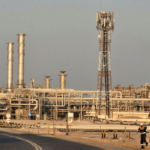
Saudi Arabia has invited OPEC+ oil ministers to Riyadh to hold their June 2 policy meeting to discuss a complex deal that may extend deep oil production cuts into 2025.
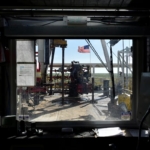
U.S. oil drillers are sticking to pledges to temper spending on boosting output, keeping the world's top crude producer on course for slower growth in 2024 in what may ease pressure on OPEC+ to make further supply cuts this weekend.
The 188th Meeting of the OPEC Conference, the 54th Meeting of the Joint Ministerial Monitoring Committee (JMMC) and the 37th OPEC and non-OPEC Ministerial Meeting (ONOMM) will convene via videoconference on Sunday, 2 June 2024.
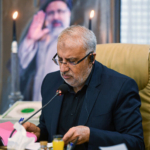
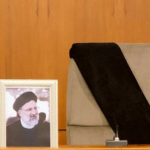
Secretary General of the Organization of the Petroleum Exporting Countries (OPEC), HE Haitham Al Ghais, issued a statement offering his condolences on the demise of the Iranian president, Ayatollah Ibrahim Raisi, who lost his life on Sunday in a chopper crash.
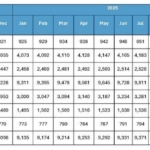
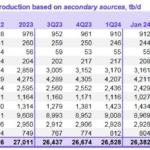
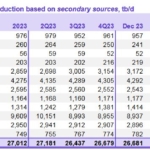
Iran produced 3.212 million barrels per day (bpd) of crude oil in April, registering a 14,000 bpd increase compared to the previous month, according to OPEC’s latest monthly report.
Saudi Arabia and its allies in OPEC+ are likely to keep oil production unchanged for a further three months when ministers review output allocations on June 1.
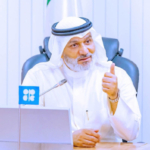
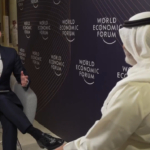
Haitham Al Ghais, OPEC Secretary-General, speaks to CNBC the World Economic Forum in Riyadh about OPEC’s response to the war in Gaza, Iran sanctions and other major energy issues
The pace at which global energy demand is growing means that alternatives cannot replace oil at the necessary scale writes OPEC Secretary General Haitham Al Ghais. Rather than calling for an end to oil, the focus should be on reducing emissions.
Iran's oil production increased by 28,000 barrels in March 2024, marking the largest increase among OPEC members, according to the Monthly Oil Market Report.
There was no surprise that a top meeting of OPEC+ ministers opted to keep output policy unchanged since the global crude oil market is almost exactly where the exporter group wants it.
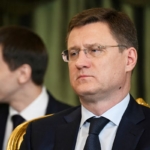
Russia has decided to focus on reducing oil output rather than exports in the second quarter in order to evenly spread production cuts with other OPEC+ member countries, Deputy Prime Minister Alexander Novak said on Friday.
The Monthly Oil Market Report (MOMR) of the Organization of the Petroleum Exporting Countries (OPEC) showed that Iran has regained its position as the third-largest crude oil producer in February.