OPEC+ is likely to keep its pause on oil output increases for March when it meets on Sunday, five delegates told Reuters, even as crude climbs above $70 a barrel on concern the U.S. could launch a military strike on OPEC member Iran.
Iran’s crude oil production edged down marginally in December 2025 even as overall output by the Organization of the Petroleum Exporting Countries (OPEC) increased, according to the group’s latest monthly report.
Daily crude oil production by OPEC member countries rose by 105,000 barrels in the final month of 2025, reaching 28.564 million barrels per day in December, according to the organization’s latest report.
In 2025, China has supplanted OPEC+ as the key oil price setter by using its import and storage strategy to enforce both a floor and a ceiling on crude prices.
OPEC’s crude oil production fell by 1,000 barrels per day in November, reaching 28.48 million barrels per day, according to the organization’s latest monthly report issued in December 2025.
Today is the ninth anniversary of the OPEC+ Declaration of Cooperation, signed in Vienna on December 10, 2016, which reshaped global energy markets through unprecedented collaboration between OPEC and non-OPEC producers.
Saudi Arabia, Russia, Iraq, the UAE, Kuwait, Kazakhstan, Algeria, and Oman reaffirmed commitment to market stability on steady global economic outlook and current healthy oil market fundamentals as reflected in low inventories.
OPEC+ is set to agree on Sunday on another modest increase in oil output targets, three sources familiar with the talks said, as the producers' group moderates plans to regain market share due to rising supply glut fears.
Iraq has increased oil exports following the gradual unwinding of voluntary production cuts under an OPEC+ agreement, the country's state oil marketer SOMO said on Sunday.
Iran’s oil production fell slightly in July as output continued to suffer from the impacts of a war of aggression the country fought with the Israeli regime in June, and despite a general rise in production by members of the Organization of the Petroleum Exporting Countries (OPEC).
The 61st meeting of the OPEC+ Joint Ministerial Monitoring Committee (JMMC) was held via video conference with the oil minister as the 2025 OPEC Conference president in attendance.
In 2024, Iran had the highest oil revenue growth in OPEC at nearly 14%, while overall OPEC oil export earnings fell by 4%, largely due to revenue drops in Saudi Arabia and Kuwait.
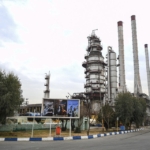
With a refining capacity of 2.237 million barrels per day, Iran holds a 16% share of OPEC’s total refining capacity, making it the second-largest refiner among the organization’s member countries. Iran also accounts for 2.1% of global refining capacity.
OPEC+ agreed to increase production by 548,000 barrels per day in August, marking the first meeting since oil prices surged and then retreated following attacks on Iran.
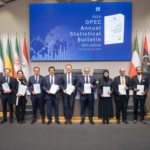
The Organization of the Petroleum Exporting Countries (OPEC) launched the 2025 edition of its Annual Statistical Bulletin (ASB) on Wednesday, July 2 2025, at the OPEC Secretariat in Vienna, Austria.
Members of the Organization of the Petroleum Exporting Countries (OPEC) produced a combined 27.022 million barrels per day (bpd) of oil in May, according to the group’s latest report.
The Organization of the Petroleum Exporting Countries (OPEC) has extends condolences over the recent aggression by the Zionist regime against Iran, a key member of the oil-producing bloc, in a formal letter addressed to Iranian officials.