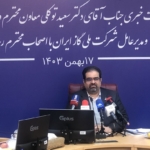
The deputy of Iran oil minister emphasized that continuous monitoring and accurate reporting on the petrochemical market’s conditions help stabilize the market.
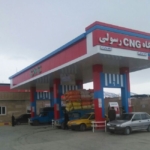
Iran is diversifying its fuel portfolio through the inauguration of 12 CNG stations, promotion of bioethanol use, and a system to convert gasoline-powered vehicles to dual-fuel models.
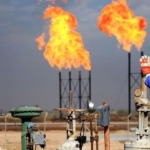
Iran’s Deputy Oil Minister and head of the National Petrochemical Company (NPC) announced the implementation of the country’s largest flare gas recovery project with the support of petrochemical companies.
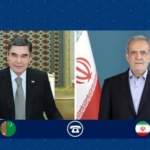
The president of Iran and the national leader of Turkmenistan stressed the importance of expanding gas cooperation and strengthening peace and trust in the region.
The deputy minister of oil stressed the significance of enhancing energy consumption, promoting societal cooperation, and modifying consumer behavior to ensure stable feedstock supply for industries.
The CEO of Pars Oil and Gas Company (POGC) highlighted the significant role of South Pars in Iran’s economy and national security, stating that the field contributes $100 billion annually to the country’s gross domestic product (GDP).
Iran's Oil Minister Mohsen Paknejad dismissed the US policy of exerting maximum pressure to curb Iran's oil exports as a failed strategy, emphasizing that reducing the Islamic Republic's oil exports to zero is an unattainable goal.
The National Iranian Oil Company (NIOC) is implementing significant plans for the development of oil and gas fields, prioritizing these projects as key components of its developmental strategy.
Iran’s petrochemical industry has made significant strides over the past four decades, not only surpassing domestic needs but also becoming one of the country’s most vital sources of foreign currency. The industry now generates an annual revenue exceeding $23 billion.
Shastan Commercial Investment Company's CEO has resolved financial issues for incomplete petrochemical projects, including Bushehr Petrochemical, Negin Makran Petrochemical Development Company, Badr Shargh Petrochemical Complex, and Negin Bandar Abbas Petro Refinery.
Iranian President Masoud Pezeshkian traveled to Kerman Province on Saturday to inaugurate four major economic and industrial projects worth more than 200 trillion rials.
The Tehran Oil Refining Company produces approximately 6.5 million barrels of gasoline per day, along with 14 million liters of diesel, according to the company’s head.
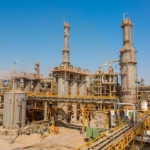
The South Pars Gas Complex's ninth refinery's mechanical workshop has successfully designed and manufactured over 70% of strategic parts and equipment, thanks to skilled personnel's expertise.
The U.S. Treasury said on Thursday it is imposing new sanctions on a few individuals and tankers helping to ship millions of barrels of Iranian crude oil per year to China, in an incremental move to boost pressure on Tehran.
Over the past 46 years, Iran’s refining industry has demonstrated remarkable domestic capabilities, showcasing significant progress in production, quality, and infrastructure.
The CEO of NIOEC announced plans to install electronic locks and other equipment on oil tankers, with the project expected to be completed within nine months.
NIGC inaugurates 543 gas projects across Iran, marking victory of Islamic Revolution, to enhance gas distribution, increase production, and reduce air pollution.
Tehran Oil Refining Company's CEO outlines strategic goals for the refinery, including revenue diversification through high-value products, sustainability enhancement, financing expansion, and new profitable venture investments.
Iran’s president emphasized the importance of adopting modern techniques to optimize energy consumption, stating that proper energy use would allow the country to save resources and sell more oil and gas at global market prices.