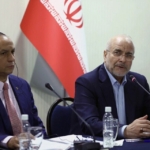
The speaker of Iran’s Parliament emphasized the importance of developing strategic relations between Iran and Venezuela, calling for enhanced trade centered on the private sector, the use of non-dollar currencies and leveraging BRICS capabilities.
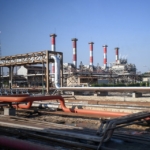
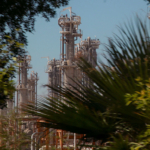
Iran’s refining capacity has increased to 2.4 million barrels per day, with the Abadan refinery accounting for the largest share of this growth, according to Mohammad-Ali Dadvar, deputy CEO of the National Iranian Oil Refining and Distribution Company (NIORDC).
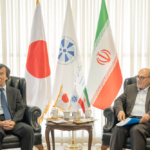
Tehran Chamber of Commerce and Industries Head Makhmoud Najafi-Arab and Japan External Trade Organization Executive Vice President Maekawa Nobutaka discussed strengthening trade and economic relations between Iran and Japan.
Amid ongoing diplomatic talks between Iran and the United States that are largely expected to end in sanctions lift, foreign companies are exploring opportunities for investment in Iran’s petroleum industry.
Statistics show that from May 24 to 30, 2025, gas consumption by power plants was significantly higher than that of major industries and households, reaching nearly 2 billion cubic meters (bcm).
The CEO of Pars Oil and Gas Company emphasized the need to enhance industrial workshop infrastructure for building offshore facilities to support the strategic gas compression project in South Pars.
The Statistical Center of Iran (SCI) has reported a 3% economic growth for the country in 1403 (ended March 20) when including oil, and 2.1% without it.
Iranian deputy minister of finance and economic affairs said that FATF is expected to take confidence-building steps in reply to Iran's set of measures in the field of combating money laundering and terrorism financing, including the ratification of the Palermo Convention.
The CEO of National Iranian South Oil Company (NISOC) announced that the company aims to increase its oil production to more than 2.8 million barrels per day by the end of this year.
The deputy head of operations and production at Pars Oil and Gas Company (POGC) announced the safe completion of a major simultaneous overhaul of two gas platforms in Phase 12 of South Pars, involving more than 700 work orders.
The engineering manager of South Pars Gas Complex (SPGC) announced the start of comprehensive projects aimed at increasing production, reducing emissions, and improving infrastructure to ensure sustainable operations and enhance refinery and equipment performance.
The CEO of the National Iranian Oil Company (NIOC) emphasized the need to strengthen the Arvandan Oil and Gas Company to achieve the goal of producing 1 million barrels of oil per day from the West Karun fields.
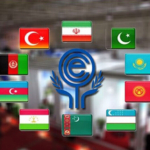
Iran's trade with ECO member states reached 36.2 million tons in 1403, worth $27.6 billion, according to the Islamic Republic of Iran Customs Administration (IRICA).
The manager of the 12th refinery at South Pars Gas Complex announced targeted plans to increase production capacity, improve product quality, reduce pollutants, and enhance equipment reliability.
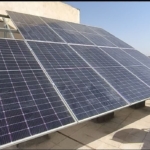
Iran installed approximately 600 megawatts (MW) of solar power capacity in the past Iranian year (ending March 2025), marking a fourfold increase over the previous annual average of 150 MW, according to Alireza Parandeh Motlaq, deputy head of the Renewable Energy and Energy Efficiency Organization (SATBA).
The director of oil and gas production supervision at the National Iranian Oil Company (NIOC) reported significant progress in flare gas recovery projects, stating that the company is legally required to collect and inject a major portion of associated petroleum gases into the national grid or downstream industries by the end of the Seventh Development Plan.
Pasargad Energy Development Company (PEDC) has leveraged artificial intelligence to launch a localized platform for integrated well, reservoir, and surface facility management, as well as the oil industry’s first upstream AI assistant (UIA) based on large language models (LLMs). These innovations have significantly reduced search times and streamlined experts’ access to technical knowledge.
The deputy oil minister announced that Iran is ahead of its planned exploration targets, expressing hope that new technologies will help discover additional oil fields—even smaller ones—while facilitating private sector involvement through IPC contracts or other models.
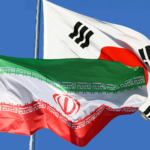
Trade between Iran and South Korea reached nearly $56 million in the first four months of 2025, highlighting ongoing commercial ties despite external challenges and a decline in Iran's exports.