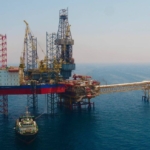
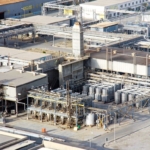
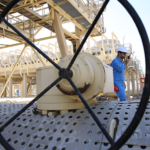
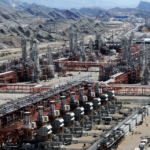
Daily gas extraction from South Pars Phase 11 has risen by 60% during the first 10 months of the 14th administration, increasing from 12 million cubic meters (mcm) to 20 mcm per day.
The Economic Council's recent approval will simplify upstream oil and gas contract procedures, reducing the time between investor proposals and finalizing agreements at the National Iranian Oil Company.
The CEO of Shahid Hashemi-Nejad Gas Refinery announced that 589 million cubic meters of gas have been injected into the Shourijeh storage reservoir since the start of the injection season (spring) through June 5 this year.
An analysis of gas consumption data from May 31-June 6, shows that the average daily gas consumption by power plants exceeded 281 million cubic meters, peaking on June 2 at over 287 million cubic meters—the highest recorded level.
Pars Oil and Gas Company's CEO announced the completion of the second infill drilling well at the SPD1 platform, increasing the daily production capacity by 1.8 million cubic meters.
Iran's Privatization Organization has transferred around 65 petrochemical companies to the private sector and non-governmental public institutions, removing the government's significant stake in the industry.
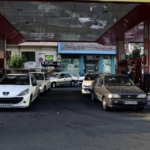
From June 2 to 7, more than 801 million liters of gasoline were distributed and consumed across the country, bringing the average daily consumption during this period to over 133 million liters.
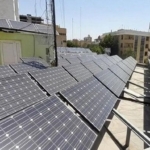
Iran has equipped 1,239 government offices with solar panels as part of a nationwide energy-saving initiative, an official from the state-run Power Generation, Distribution and Transmission Company (Tavanir) said.
The National Petrochemical Company CEO emphasized the need for stable feedstock supply, stating that addressing challenges and fully utilizing the industry's potential requires approximately $18 billion investment.
Enhanced Oil Recovery (EOR) techniques have become indispensable in the global oil industry, particularly as conventional oil reserves dwindle and the energy demand continues to rise.
Iran’s economy grew by 0.9 percent in the first month of the current Iranian calendar year Farvardin (March 21 – April 21), according to a new report from the Iranian Parliament’s Research Center.
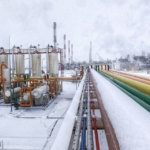
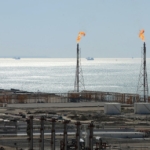
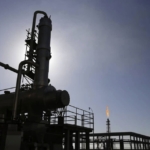
The manager of Refinery 11 at the South Pars Gas Complex described the reduction in gas flaring as significant, stating that the volume of gas sent to flares has dropped from over 1 million cubic meters per day to less than 3,000 cubic meters.
Iran's National Petrochemical Company has announced a $5 billion investment by petrochemical companies to collect and manage flare gas emissions, underlining the industry's crucial role in reducing emissions.
Oil Minister Mohsen Paknejad said the oil industry achieved full self-sufficiency in development and production during tough sanction years, attributing the success to the relentless efforts of Iranian experts, specialists, and youth.
The head of the Iran Chamber of Commerce, Industry, Mines and Agriculture and the German ambassador discussed expanding trade relations between the two countries.
The CEO of Pars Oil and Gas Company (POGC) announced a new record in executing 13,000 work orders during the major overhaul of the South Pars Phase 14 refinery.
The head of operations at the seventh refinery of South Pars announced the successful implementation of the flare gas recovery operation, stating that the project was completed with high quality, relying on domestic technical expertise and innovative measures. The installation of flare and utility line branches was fully executed.
Crude oil exports from Iran to its biggest buyer, China, shrank last month on tighter U.S. sanctions and refinery maintenance, Bloomberg has reported, citing data from Vortexa.
The spokesperson for Iran’s Foreign Ministry stated that Iran has consistently emphasized constructive cooperation with Kuwait in the energy sector, particularly regarding the Arash gas field and the joint exploitation of its resources, based on bilateral negotiations and past dialogue.