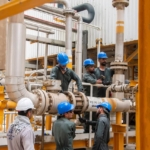
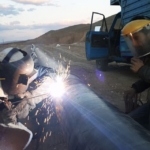
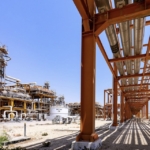
The South Pars Gas Complex's Fifth Refinery is undergoing a major overhaul for 2025, utilizing domestic engineering expertise and locally manufactured equipment.
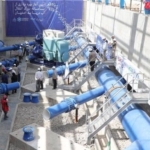
Isfahan Oil Refining Company has launched the pilot operation of the first phase of a major seawater transfer project, aiming to supply around 700,000 cubic meters of water each month to the refinery, its head announced.
Iran has reduced its daily diesel consumption by an average of five million liters in 2025, compared to the previous year, driven by tighter consumption management and enhanced fuel smuggling controls, a senior oil official said.
Iran’s top economic council has approved an emergency plan to increase daily crude oil production by 250,000 barrels, with 80 percent of the funding to be provided by the National Development Fund (NDF), the country’s sovereign wealth fund.
Power plants accounted for nearly half of the nation's total natural gas consumption in the week ending July 18, using over 2.024 billion cubic meters, with stable demand from power plants and fluctuating residential usage.
The deputy CEO of the National Iranian Oil Products Distribution Company (NIOPDC) emphasized the necessity of interagency cooperation to prevent off-network fuel distribution and the importance of using personal fuel cards.
Iran’s Minister of Energy Abbas Aliabadi highlighted a strong private sector appetite for investment in renewable energy projects, revealing a demand exceeding 78,000 megawatts across the country.
The CEO of the National Petrochemical Company announced the issuance of a directive to ensure production continuity in the petrochemical industry during critical and emergency conditions, aiming for stable output and meeting the needs of downstream industries.
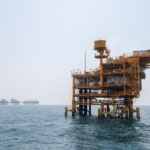
Specialists at Iranian Offshore Oil Company (IOOC) designed and manufactured spare parts for safety valves at the Salman oil and gas platform using domestic expertise and reverse engineering, overcoming challenges posed by international sanctions.
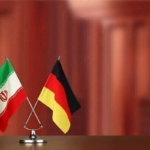
Germany exported $454 million worth of non-oil products to Iran during the first quarter of the current Iranian calendar year, according to the head of the Islamic Republic of Iran Customs Administration.
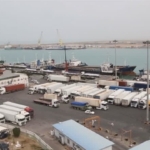
Petrochemical products valued at $2.7 billion were exported from Bushehr province in the southwest of Iran during the first quarter of the current Iranian calendar year (March 21-June 21), according to a provincial official.
Iran's oil and petroleum products pipeline network is set to surpass 15,000 kilometers after major transmission projects are completed and commissioned.
Bilateral trade between Iran and Armenia has reached nearly $1.0 billion, reflecting deepening economic ties between the two neighbors, according to Iran’s ambassador to Yerevan.
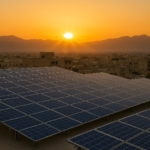
Iran’s Renewable Energy and Energy Efficiency Organization (SATBA) has reported significant progress in the construction of 1,000 local solar power plants, each with a capacity of 3.0 megawatts, as part of a nationwide effort to expand clean energy infrastructure and enhance grid efficiency.
The head of the Iranian Parliament’s Environmental Caucus cited old vehicles as a key factor in the country’s fuel imbalance and said the caucus is reviewing the process of scrapping outdated cars and motorcycles under the Seventh Development Plan (2024-28).
manager of Refinery 10 at the South Pars Gas Complex announced that major maintenance operations have begun on July 16 and will continue until July 30.
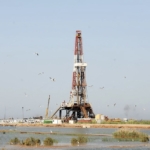
Iran has increased crude oil production by 38,000 barrels per day (bpd) at its South Azadegan oilfield over the past 10 months, following the successful drilling and completion of 17 wells, the head of Petropars, the company developing the field, said.
Iran’s petrochemical industry remains committed to achieving its development goals for the current year, despite disruptions caused by a 12-day conflict triggered by Israeli airstrikes, a senior official said.
initial economic growth figures released on Wednesday showed that Iran’s gross domestic product (GDP) had increased to 78,443.8 trillion rials (over $301 billion) in the year to March 20.