Iran’s Parliament Speaker Mohammad Bagher Ghalibaf announced that fuel pricing authority now fully rests with the executive branch, making recent gasoline and diesel price adjustments legally valid.
FUEL Feed Atom
Iranian Oil Minister Mohsen Paknejad stated that the formation of a “Supreme Energy Council” is under consideration to improve coordination among various energy sectors in the country.
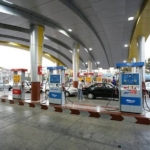
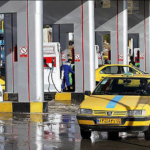
About 53 million liters of gasoline are distributed daily in Iran using station emergency fuel cards, the head of the National Iranian Oil Products Distribution Company said.
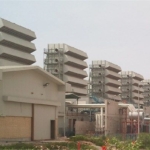
The head of the National Iranian Oil Refining and Distribution Company said 391 million liters of low-sulfur mazut had been delivered to four thermal power plants by late November.
India has exported its first-ever cargo of jet fuel to the U.S. West Coast, capitalizing on a rare arbitrage window created by severe supply shortages in California following a major fire at Chevron’s El Segundo refinery.
President Masoud Pezeshkian gave automakers one year to improve engine efficiency or face losing foreign currency and production permits, stressing government-backed adoption of modern technologies and prioritizing safe, electric vehicle production.
The director of the CNG project at the National Iranian Oil Products Distribution Company announced the signing of two major agreements with domestic firms active in vehicle gas conversion, saying the contracts—worth a total of $23 million—will help save about 161 million liters of gasoline annually.
Eight new compressed natural gas (CNG) stations were inaugurated simultaneously across Iran on Sunday, November 9, aiming to expand the share of CNG in the country’s fuel mix and promote clean energy use.
Iran’s Oil Minister Mohsen Paknejad said Monday there are currently no plans to change the quotas or prices for subsidized fuel in personal smart cards.
Oil Minister Mohsen Paknejad said gas delivery to the network has increased by about 6.7 million cubic meters per day and diesel reserves at power plants have risen 130%, putting Iran in a strong position heading into winter.
India's Hindustan Petroleum issued two rare tenders to import transport fuels for early November delivery, two sources familiar with the matter said on Tuesday, after the company shut one of its processing units due to feedstock contamination.
The managing director of the National Iranian Oil Products Distribution Company said power plant fuel tanks across the country are full, leaving little capacity for additional storage.
The head of the National Iranian Oil Products Refining and Distribution Company said simultaneous efforts to boost production and manage consumption have increased diesel output by 7 million liters, leading to higher fuel reserves for power plants.
Iran’s Tehran Oil Refinery, one of the country’s oldest and largest facilities, is investing $3.5 billion to modernize operations and produce all fuels—including gasoline, diesel, and jet fuel—in line with stringent Euro 5 environmental standards, its refining engineering chief said.
Iran's oil minister's deputy predicts Pars pipeline project will reduce road tanker dependence and save billions in fuel transportation costs, citing favorable performance in refining and fuel distribution.
Iran’s President Masoud Pezeshkian on Monday criticized the misuse of diesel fuel quotas, saying some individuals receive fuel allocations but do not operate their vehicles, instead selling their quotas.
The Iran oil minister and his deputies convened a meeting Saturday, Oct. 4, to review the latest measures ensuring stable fuel supply across the country ahead of the cold season.
Iran’s gasoline consumption hit a record high this summer, totaling about 12.5 billion liters, with an average daily use of 134.3 million liters, according to the National Iranian Oil Products Distribution Company.
Ukraine is restricting imports of diesel from India due to India's continued purchases of Russian crude, which holds about a third of total Indian oil imports.
Iran’s gasoline consumption surpassed 1 billion liters in the week ending September 12, setting a new record with an average daily use of about 143.7 million liters, according to the National Iranian Oil Products Distribution Company.