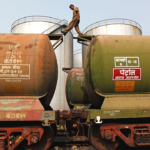
During the 12-day war between Iran and Israel, Iran experienced a 50% increase in gasoline consumption, posing logistical challenges for fuel distribution, but fuel supply remained uninterrupted.
BREAKING NEWS Feed Atom
Iran's first vice president reported that gasoline consumption exceeded production by 80 million liters on the first day of the 12-day war, but the economic situation was effectively managed.
Brent crude rose 10 cents, or 0.2 percent, to $66.84 a barrel, while U.S. West Texas Intermediate crude rose 9 cents, or 0.1 percent, to $65.20 a barrel.
A tanker carrying the first cargo of liquefied natural gas from LNG Canada set sail Monday from British Columbia’s northern coast, heralding the commercial startup of the $18-billion Shell PLC-led export terminal and ushering in Canada’s long-awaited debut into the global LNG market.
Despite a projected decline in long-term global oil demand and a slowdown in 2025 due to Trump's tariffs, S&P Global Commodity Insights forecasts India will lead future oil demand growth, increasing import dependency.
A member of the Iranian Parliament’s Energy Committee described the oil industry’s performance during the 12-day war with the Zionist regime as a prime example of infrastructure resilience, centralized command and organizational cohesion.
The CEO of National Iranian Petrochemical Company (NPC) emphasized that cooperation among petrochemical holdings and companies, along with the implementation of NPC’s approved programs during the 12-day imposed war, helped achieve planned objectives in emergency management.
The CEO of Iran’s Offshore Oil Company announced the return of the Salman field’s water injection system to service, stating that with the startup of the gas injection compressor turbine by the end of the first half of this year, oil production from the shared Salman field will increase, and flared gas will also be reduced.
Brent crude futures fell 12 cents, or 0.18 percent, to $67.65 a barrel. U.S. West Texas Intermediate crude fell 36 cents, or 0.55 percent, to $65.16 a barrel.
The Pakistani government has revised gas prices for the fiscal year 2025-26 and okayed a 50 percent increase in fixed charges for domestic consumers, effective from July 1, the Oil and Gas Regulatory Authority (OGRA) announced on Sunday.
The Indian Navy swung into action after receiving a distress call of an oil tanker catching fire in the Gulf of Oman on Sunday. Indian Navy's stealth frigate INS Tabar was mobilised to rescue Pulau flagged MT Yi Cheng 6, which reported a major fire after engine failure.
Iran's vice-president reports a nearly doubled demand for motor fuel during Israeli aggression, despite no disruption to fuel supplies despite direct attacks on Iran's energy facilities.
Iran has started gas exports from its Phase 14 refinery's third sweetening train, marking a significant expansion in the country's production and export capacity.
A member of Parliament's Energy Committee praised the Oil Ministry's selfless efforts during the 12-day Zionist regime war, highlighting the selflessness of its employees.
Ukraine will initiate appropriate sanctions against those countries that buy the most Russian oil, Ukrainian Foreign Minister Andriy Sybiha said.
Iran's deputy industry, mining, and trade minister has sent a comprehensive package of support to industries affected by the Israeli-imposed war, with details to be announced if approved.
The CEO of the National Iranian Oil Company (NIOC) described Operation "True Promise 3" as a symbol of the Islamic Republic of Iran's defensive strength and the nation’s decisive response to enemy aggression.
TotalEnergies is in advanced discussions to sell its shale oil assets in Argentina, with two suitors submitting bids, aligning with CEO Patrick Pouyann's statement of divesting stakes at the right price.
India's US oil imports surged over 270% YoY in Q1 2025, highlighting its strategy to boost American imports amid trade pact negotiations and diversify crude oil sources.
The IMF predicts Iran's GDP to reach $1.746 trillion in 2025, a $51 billion increase from 2024, but a slight decline in GDP per capita.