Canada’s Climate Commitment and Oil Production Dichotomy: An Insight

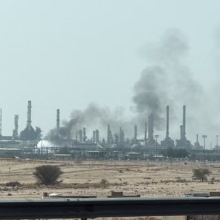
RoydadNaft – At the United Nations’ climate meeting, COP28, Canada found itself at the crossroads of its commitment to climate action and its role as a major oil producer. As a nation striving to uphold its climate bona fides, Canada continues to be a significant producer of oil, particularly bitumen oil, known for its high emissions per barrel. Despite the global outcry for aggressive measures against fossil fuels, the draft agreement at COP28 in Dubai softened the language about phasing them out, aligning with the interests of the energy industry.
Canada and the Fossil Fuel Industry at COP28
Representatives from the Canadian oil and gas sector acknowledged the criticism at COP28 but maintained that they need to be part of the solution. The UN Secretary General emphasized the need to phase out all fossil fuels to limit global warming to 1.5 degrees Celsius. However, the preliminary agreement disappointed environmental advocates who hoped for a more assertive stance in phasing out fossil fuels by 2050. Canadian oil production is expected to increase in 2024, despite the federal government’s announcements of stricter methane rules and a cap on the sector’s total emissions.
Canada’s Struggle to Balance Climate Leadership and Oil Industry
Canada’s participation in COP28 and the oil industry’s influence on climate negotiations became a hot topic at the conference. As the fourth-largest oil producer in the world, Canada is trying to balance its climate leadership with its oil industry. The country announced an emissions cap on its fossil fuel sector and is working with other countries to reach an agreement on fossil fuels. However, the conference turned into a trade show for the energy industry, with oil executives hosting sessions on carbon capture and the draft agreement softening its stance on fossil fuels.
Presence of Fossil Fuel Interests at COP28
The presence of a record number of delegates representing fossil fuel interests at COP28 raised concerns about unchecked corporate influence and the potential for watering down action on emissions targets. The oil and gas industry’s presence sparked criticism from environmental groups who argue that reliance on carbon capture technology is a delay tactic for the energy transition. Some provincial leaders are promoting the oil and gas industry’s plans to reduce emissions, including large-scale investment in carbon capture and storage technology.
Canada’s Emission Caps for the Oil and Gas Sector
Canada has announced caps for emissions in the oil and gas sector, requiring the industry to cut emissions by more than one third within seven years or buy offset credits. By 2030, conventional oil companies, oilsands producers, and natural gas companies will have to lower their emissions by 35 to 38 per cent compared to 2019 levels. The policy will not apply to oil refineries, but they can buy offset credits or contribute to a decarbonization fund.
Canada’s Climate Change Commitments at COP28
Canada’s Minister of Environment and Climate Change, along with other officials, have been working at COP28 to push for ambitious outcomes in addressing climate change. Canada announced over $67 million for climate projects in developing countries and pledged $16 million to a loss and damage fund. Canada also announced plans to strengthen regulations to reduce oil and gas methane emissions and cap pollution from the oil and gas sector.
In conclusion, while Canada continues to grapple with its role as a major oil producer, it is evident that the nation is making strides towards reducing its carbon footprint. However, the influence of the oil and gas industry on climate policy negotiations and implementation remains a significant concern. As the world continues to grapple with the climate crisis, it is critical for nations like Canada to find a balance between their economic interests and their commitment to the planet.