Tanker Firm Loses Insurance Protection Over Carrying Russian Crude
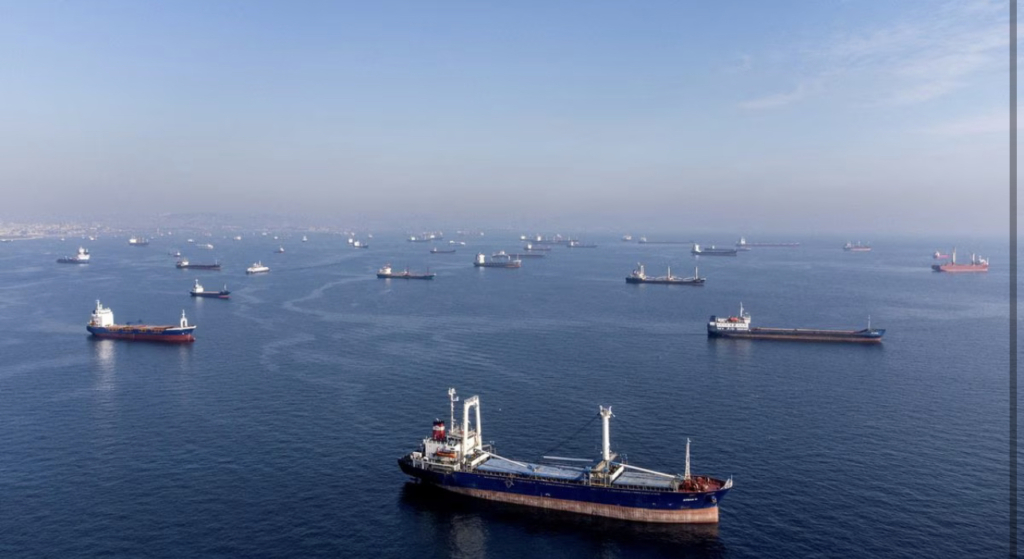
A tanker company has lost its P&I insurance from the American Club because it intends to ship Russian crude above the G7 price cap.
The EU and G7 banned maritime transportation services from shipping Russia’s crude oil to third countries if the oil is bought above $60 per barrel.
Mumbai-based Gatik Ship Management, the company that lost its insurance, is heavily involved in moving Russian crude.
An India-based tanker company has lost its protection and indemnity (P&I) insurance from the American Club because the Western insurer was informed that the shipping firm intended to transport Russian crude oil bought above the G7 price cap of $60 per barrel, a source with knowledge of the matter told Bloomberg.
The EU and G7 banned on December 5 maritime transportation services, including insurance and funding, from shipping Russia’s crude oil to third countries if the oil is bought above the price cap of $60 per barrel.
Now Mumbai-based Gatik Ship Management has lost its P&I coverage, protecting against oil spills and collisions, the American Club confirmed for Bloomberg.
Gatik Ship Management is heavily involved in moving Russian crude, with each of the 48 tankers identified as managed by the firm found to have transported crude or refined products from Russia at least once so far this year, according to a database maintained by shipping information system Equasis and data analytics firm Vortexa, cited by Bloomberg. Of all tankers managed by Gatik Ship Management, the American Club is listed as the insurer of 34 of them.
Oil markets fail to gain traction from drop in U.S. crude inventories
Earlier this week, the U.S. Treasury Department published a warning to U.S. companies about possible evasion of a price cap on exported Russian oil, pointing specifically to oil exported through the Eastern Siberia Pacific Ocean (ESPO) pipeline and ports in eastern Russia.
“These U.S. service providers may be unaware that they are providing covered services involving Russian oil purchased above the price cap, as the non-U.S. persons involved in the exports may have provided incomplete or false documentation or used other deceptive practices,” the Treasury Department’s Office of Foreign Assets Control (OFAC) said.
Since the West announced it would impose a price cap on Russia’s oil, an unusually large number of tankers have changed ownership in what analysts and shipping industry officials believe was a push from Russia to continue shipping large volumes of its crude and entities willing to profit from Russian oil trade in a sanctions regime. The ‘dark’ or ‘shadow’ fleet of oil tankers has grown to now include tankers not only shipping sanctioned Iranian and Venezuelan oil, but also increasingly larger volumes of Russian oil and products.