Global Crude Oil Prices Today (July 14, 2026) / Brent Oil Price Rises to $86.19
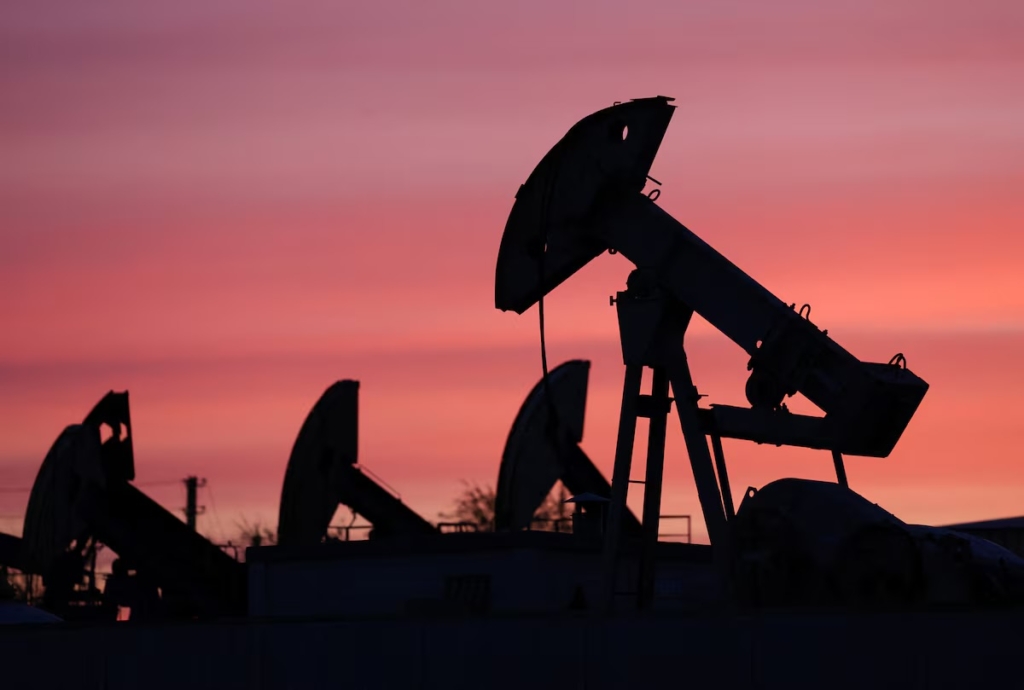
RoydadNaft – Brent crude oil futures rose by $2.89 (equivalent to a 3.47% increase) to reach $86.19 per barrel. U.S. West Texas Intermediate (WTI) crude oil futures increased by $1.53 (equivalent to a 1.96% rise) to $79.67 per barrel.
According to Roydad Naft, oil prices on Tuesday reached their highest levels in four weeks. This surge followed the United States reimposing a naval blockade on Iran, with fresh exchanges between Washington and Tehran heightening concerns about energy flows through the Strait of Hormuz.
Brent crude hit its highest level since June 12, while WTI reached its peak since June 16 — prior to the United States and Iran signing a memorandum of understanding on June 17 to end the conflict.
Brent crude oil futures rose $2.89 (3.47%) to $86.19 per barrel (as of 11:58 GMT), while U.S. West Texas Intermediate crude climbed $1.53 (1.96%) to $79.67 per barrel.
Sonia Kumari, an analyst at ANZ bank, said: “Despite the signing of the memorandum and reaching an agreement, this deal didn’t even last a few weeks. This is the very concern the market is now pricing in.”
She added: “We believe the peak of escalation is behind us, but there are upside risks for oil prices if these disruptions continue, which will keep prices in the $85–90 range.”
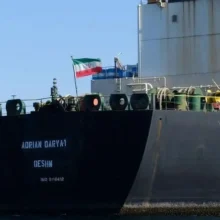
Tensions between the United States and Iran intensified this week after U.S. President Donald Trump reinstated the naval blockade on Iranian shipping and proposed charging a 20% fee for protection in the Strait of Hormuz. This vital waterway is a critical artery for global energy trade and, before the conflict began, carried around one-fifth of the world’s oil and liquefied natural gas.
Amid the attacks, the United Arab Emirates Ministry of Defense reported that one Indian crew member was killed and eight others injured when two Emirati oil tankers in the Strait of Hormuz were struck by cruise missiles. Shipping data from Monday also showed that the number of oil tankers passing through the Strait of Hormuz the previous day had fallen to its lowest level in two months.
Citigroup noted in a report that the likelihood of Iran withdrawing from the memorandum after the U.S. midterm elections has increased — a scenario that would likely lead to higher and more sustained oil prices.
However, Iran’s Oil Minister Mohsen Paknejad stated on his official Telegram account that Iran’s oil exports are continuing normally despite the U.S. lifting of the 60-day sanctions waiver on Iranian oil last week.
Elsewhere, Yemen fired missiles toward Saudi Arabia after accusing the kingdom of bombing an airport under its control. Simon Wong, a portfolio manager at Gabelli Funds, said in a note: “If the Yemenis expand their attacks to Saudi oil products in the Red Sea, it could create even more uncertainty for crude oil flows from the region.”
Meanwhile, the Ukrainian army reported that it had targeted two Russian oil refineries in the Bashkortostan and Krasnodar regions the previous night.