Global Crude Oil Prices Today, February 6, 2026 / Brent Oil Price Drops to $67.50
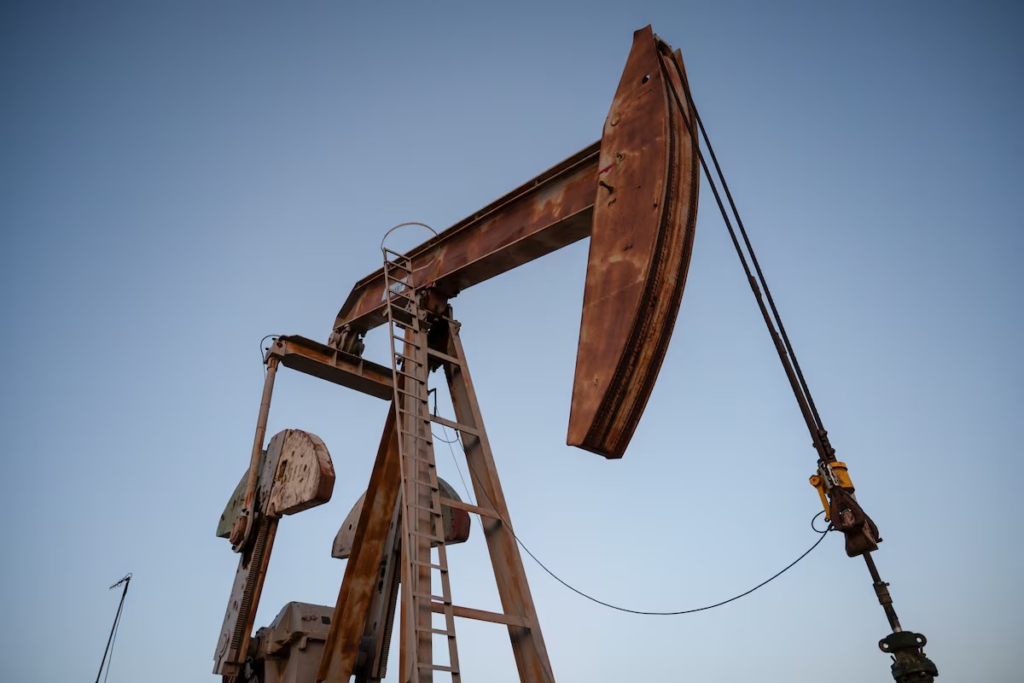
RoydadNaft – Oil prices remained almost unchanged on Friday as investors awaited news from the sensitive negotiations between the United States and Iran in Oman—talks taking place against the backdrop of concerns about a potential new conflict in the Middle East that could disrupt oil supply.
According to Roydad Naft, as of 12:11 GMT, Brent crude futures dropped 5 cents, or 0.1%, to $67.50 per barrel, while U.S. WTI crude fell 11 cents, or 0.2%, to trade at $63.18 per barrel.
Brent is on track for a weekly decline of 4.6%, and WTI is headed for a 3.2% weekly drop.
Tamas Varga, an oil market analyst at brokerage firm PVM, said: “Investors are keeping a close eye on the U.S.-Iran talks, and market sentiment is tied to the outcome of these discussions.”
Analysts noted that the lack of consensus on the agenda for the meeting between Iran and the United States has heightened investors’ concerns about geopolitical risks. Iran wants the talks to focus on nuclear issues, while the U.S. intends to discuss Iran’s ballistic missile program and its support for regional groups.
Any escalation in tensions between the two countries could disrupt oil flows, since about one-fifth of global oil consumption passes through the Strait of Hormuz between Oman and Iran. Saudi Arabia, the United Arab Emirates, Kuwait, and Iraq route most of their oil exports through this passage, and Iran—as an OPEC member—also uses it for its oil exports.
If the negotiations reduce the likelihood of regional conflict, oil prices could fall further.
Analysts at Capital Economics said in a note: “We expect geopolitical fears to give way to weaker fundamental market factors.” They pointed to the recovery in Kazakhstan’s oil production, which could push prices toward $50 per barrel by the end of 2026.
Analysts also said that on a weekly basis, oil prices have been pressured by broader selling in financial markets and ongoing expectations of an oil supply surplus.
On Thursday, Saudi Arabia cut its official selling price for Arab Light crude to Asia for March to the lowest level in about five years—the fourth consecutive monthly reduction in its official selling prices.
Varga from PVM concluded: “The fundamental backdrop for the market isn’t very encouraging, and this situation points to a market with oversupply.”