NIDC accelerates drilling fleet expansion under Seventh Development Plan
RoydadNaft – The country’s drilling industry has entered a new phase of development under the seventh five-year development plan, focusing on expanding drilling fleet capacity and improving operational efficiency. This phase prioritizes acquiring new rigs, modernizing the existing fleet and enhancing key performance indicators to support increased oil and gas production.
As a key driver for achieving the quantitative goals of the seventh development plan, the drilling industry has recently undergone structural reorganization, capacity building and productivity improvements. The concurrent focus on new rigs, fleet modernization and operational metrics underscores the Petroleum Ministry’s resolve to meet the developmental needs of oil and gas fields and stabilize production capacity.
Technical and operational assessments of the country’s oil and gas fields indicate a minimum of 209 active drilling rigs are essential to fulfill production, development and maintenance programs. The Petroleum Ministry and its subsidiaries are pursuing this operational capacity through diverse channels, including investment contracts, innovative financing models, private sector participation and managerial restructuring.
Securing Rigs Through Public-Private Partnerships
According to the National Iranian Oil Company’s integrated planning report, a key strategy for fleet development involves utilizing public-private partnerships and signing guaranteed drilling service purchase contracts under a build-own-operate model. To this end, NIOC has signed contracts worth $768 million and 2.8 trillion tomans with six companies for 20 land-based drilling rigs with 2,000 horsepower capacity. This move boosts operational capacity while attracting non-governmental investment and easing financial pressure on the oil industry’s internal resources.
For offshore drilling, the provision of five rigs capable of operating at depths of 350 feet or more is planned. Contracts for two are in the final signing stage, while others are undergoing permit procedures. Their finalization will meet a significant portion of the country’s offshore drilling needs.
Developing Offshore Drilling Through Long-Term Leases
To accelerate offshore field development and increase operational flexibility, securing offshore rigs via long-term lease contracts is also underway. Administrative and technical procedures for contracts to supply two offshore drilling rigs are being pursued, an approach enabling quicker utilization of offshore drilling capacity and reduced operational delays.
Reconstructing and Modernizing NIOC’s Drilling Fleet
Empowering the domestic fleet involves reconstructing and modernizing the National Iranian Drilling Company’s rigs as a strategic program. A resolution has been passed to supply 15 new land rigs and modernize existing ones with approximately $800 million in funding, of which $25 million has been allocated so far. The plan aims to increase rig readiness, lower maintenance costs, and improve safety and operational productivity.
A specialized committee within the integrated planning management department monitors the project’s progress, tracking execution metrics, timelines and resource allocation.
NIOC Achievements in Drilling Performance Improvement
The drilling industry’s operational performance in recent years shows significant improvement in key indicators and productivity. Since the start of the current Iranian year (March 2024), 398 new and workover wells – including 116 development wells and 282 workover wells – have been completed and launched nationwide. This achievement has played a decisive role in increasing and stabilizing oil and gas production capacity.
Performance metrics also show improved drilling efficiency. The average drilling speed for new onshore and offshore wells has increased by 12% since the start of the year. Land rig productivity, measured by the number of completed wells per rig, has grown by 48%.
Furthermore, the number of newly completed wells has risen by 36% compared to the same period last year, and total drilled meters have increased by 48%. The number of active drilling rigs onshore and offshore has grown by 12%. These combined indicators reflect enhanced efficiency, reduced project timelines and better utilization of the national drilling fleet.
NIDC’s Performance Leap, Domestic Manufacturing Development
Aligning with broader oil industry policies, NIDC has taken effective measures to boost productivity, reduce non-productive time and enhance operational performance. Statistics show a 78% utilization rate for its drilling fleet and a 14% reduction in waiting times during the first quarter of this year. Drilling of oil and gas wells in this period grew by 46% year-over-year.
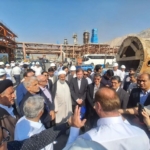
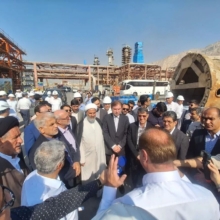
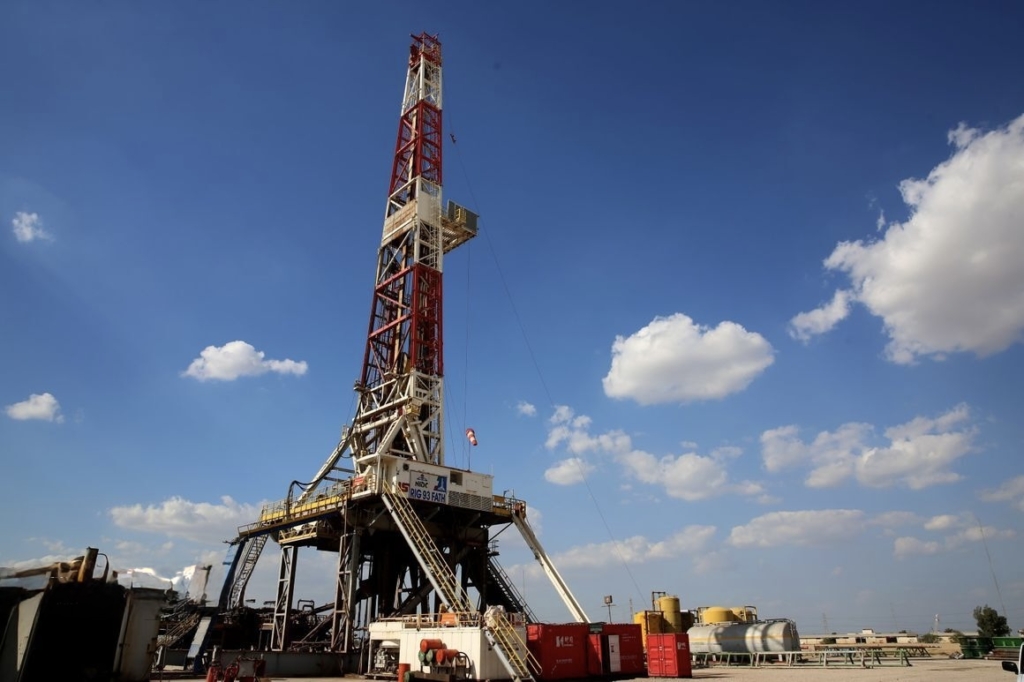
In technology and domestic manufacturing, the third drilling rig built by the Academic Center for Education, Culture and Research, named “Fath 73,” was inaugurated at the Ahvaz oil field in the presence of the oil minister. This 2,000-horsepower land rig can drill to 6,000 meters and contains about 65% domestically manufactured equipment. It plays a significant role in reducing dependence on foreign equipment, localizing drilling technology and strengthening the domestic supply chain.
These achievements – improved productivity metrics, increased drilling speed, growth in completed wells and higher drilled meterage – demonstrate that the drilling industry, by leveraging existing capacities and expanding the active fleet, has taken effective steps toward the seventh development plan’s quantitative goals. Sustaining this momentum can pave the way for a production surge and sustainable development in the coming years.