Chevron Pushes Iraq for Better Terms Before Taking Over Lukoil’s West Qurna 2 Oilfield, Sources Say

RoydadNaft – U.S. energy major Chevron is pressing Iraq for higher returns on the giant West Qurna 2 oilfield as a condition for stepping in to buy and operate the asset from Russia’s Lukoil, three sources with knowledge of the discussions said.
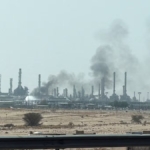
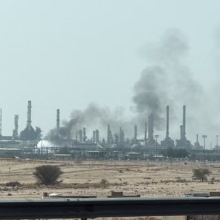
The Iraqi government nationalized operations at the field earlier this month after the United States imposed sanctions on Lukoil as part of efforts to pressure Russia over its war in Ukraine. Those sanctions severely hampered Lukoil’s ability to manage its international assets, including West Qurna 2—one of the world’s largest oilfields, contributing roughly 0.5% of global supply and nearly 10% of Iraq’s total output.
Shortly after the nationalization, Iraq’s oil minister confirmed that negotiations with Chevron over the field were underway. Lukoil now has until February 28 to sell off its sanctioned assets.
Sources say Chevron and the Iraqi oil ministry are actively discussing improvements to the contractual terms. Any changes to the deal structure would require approval from Iraq’s cabinet, according to two of the sources.
A Chevron spokesperson declined to comment on commercial matters but stated: “Chevron has a diverse exploration and production portfolio globally and continues to assess potential opportunities. In all its activities, Chevron operates under a code of business ethics and complies with laws and regulations applicable to our business.”
Iraq’s oil ministry confirmed to Reuters that “negotiations are still ongoing, with many details remaining under discussion.” Lukoil did not respond to a request for comment.
A successful deal would represent a significant expansion for Chevron in Iraq, building on its recent agreements to develop other fields in the country following its $53 billion acquisition of Hess in 2025.
Iraq, the world’s seventh-largest oil producer, has revamped its contract terms in recent years—shifting from traditional service contracts to profit-sharing models—to lure back major international oil companies and reverse years of underwhelming investment. Deals with firms like TotalEnergies and BP have included combined investment commitments exceeding $50 billion.
West Qurna 2, one of the first major projects awarded after the 2003 U.S. invasion, operates under the older, less attractive service-contract framework and is widely regarded by industry sources as offering some of the lowest returns among Iraq’s oil agreements.
Iraq’s oil production has climbed to over 4 million barrels per day in 2025—up from about 2.5 million bpd before the 2003 invasion—though the country has consistently fallen short of its long-term targets of 9–12 million bpd capacity.
For now, the state-run Basra Oil Company has assumed temporary operatorship of West Qurna 2 for a 12-month period while the ownership transition is resolved, according to two officials from the company.