Renewables capacity set to top 5,200 MW by late March
RoydadNaft – Iran plans to raise its renewable power generation capacity to more than 5,200 megawatts by the end of the current Iranian year (late March), a deputy energy minister said, citing faster permitting and improved financing as key to meeting the target.
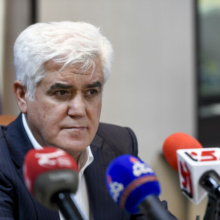
Mohsen Tarztalab said capacity additions have accelerated, but delays in administrative procedures at the Energy Ministry and grid management have slowed the full integration of new plants.
Of the roughly 3,700 megawatts of renewable capacity installed so far, about 3,400 megawatts are currently feeding into the national grid, he said, adding that around 870 megawatts of installed capacity is not yet fully visible in official grid figures.
Meetings have been held with grid operators to speed up coordination, Tarztalab said, noting that the gap between announced capacity and what is operational needs to be closed.
Iran has announced plans to reach 5,200 megawatts of renewable capacity by year-end, but under directives from the energy minister and the president, authorities are seeking to raise the figure further by late February, he added.
Around 1,000 megawatts of clean power capacity is expected to be added in February alone, though achieving that goal will require closer cooperation among relevant agencies.
Tarztalab, who also heads the Renewable Energy and Energy Efficiency Organization (SATBA), said adequate financing could significantly accelerate project execution.
Renewable capacity is forecast to reach 11,000 megawatts by the end of summer, representing growth of three- to seven-fold compared with previous periods, he said.
He added that private sector developers are facing challenges in securing foreign currency, warning that greater support in this area would be critical to meeting targets.
Tarztalab said permits for inactive renewable power projects are being revoked, with priority given to active investors. Licenses that have seen no progress for more than six months are being cancelled and reassigned, he said, noting that more than 115,000 megawatts of permits have been issued nationwide, leaving little unused capacity in many provinces.
SATBA also plans to introduce artificial intelligence across its operations, including permitting, investor services and project monitoring. Over the past two to three months, 40 AI-related proposals have been submitted, with 10 unveiled so far, he said.
Electronic government services are being expanded to allow investors to complete procedures online, with pilot programs launched in several provinces from Feb. 11. The system will gradually move toward full digitalization and wider use of AI, Tarztalab said.
He called on the Industry Ministry and the central bank to step up cooperation to accelerate order registration, equipment procurement and financing.