Global Crude Oil Prices Today (January 27, 2026) / Brent Oil Price Rises to $65.82
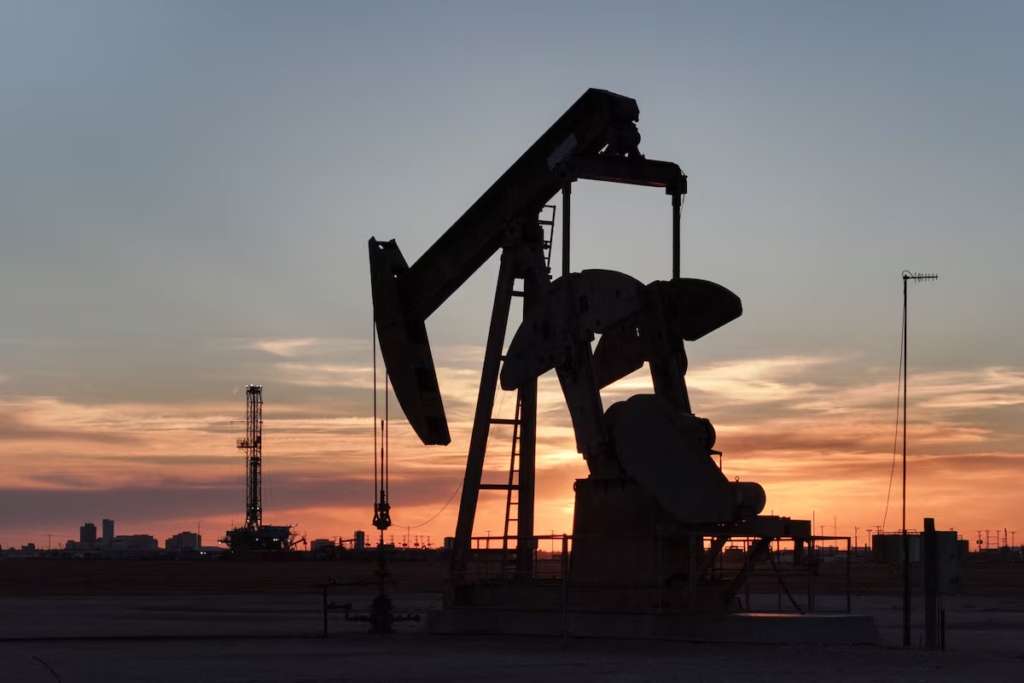
RoydadNaft – Oil prices edged higher on Tuesday as a massive winter storm disrupted U.S. crude production and affected Gulf Coast refineries, though the gains were capped by the resumption of supplies from Kazakhstan.
According to Roydad Naft, Brent crude futures rose 23 cents, or 0.35%, to $65.82 per barrel (at 10:17 GMT). U.S. WTI crude also gained 29 cents, or 0.48%, reaching $60.92 per barrel.
The United States is facing production losses due to a severe winter storm gripping the country and putting pressure on energy infrastructure and power grids.
Analysts and traders estimate that U.S. oil producers lost up to 2 million barrels per day — roughly 15% of national output — over the weekend.
At the same time, several Gulf Coast refineries reported weather-related issues due to freezing conditions, raising concerns about potential fuel supply disruptions, according to Daniel Heinz, an analyst at ANZ.
Tamas Varga, an oil analyst at PVM brokerage, said: “The cold weather in the United States is likely to lead to a significant drawdown in oil inventories over the coming weeks, especially if the conditions persist.” He noted that this could push prices higher.
The price increase was tempered by developments in Kazakhstan, where the Energy Ministry stated the country is ready to resume production from its largest oil field. Industry sources indicated that volumes remain low so far.
CPC, which operates Kazakhstan’s main export pipeline, also announced that it has returned to full loading capacity at its Black Sea terminal in Russia after completing repairs at one of its three berthing points.
Varga from PVM added that some traders are likely taking profits on heating oil, which has surged in recent days due to the cold snap in the United States.
On the geopolitical front, a U.S. aircraft carrier and supporting warships entered the Middle East on Monday, according to two U.S. officials speaking to Reuters. This expands President Donald Trump’s options for defending American forces or potentially taking military action against Iran.
Heinz commented: “Supply risks have not fully disappeared… Tensions in the Middle East persist following the deployment of naval assets by President Trump to the region.”
Additionally, on the supply side, eight OPEC+ members (OPEC and its allies) are expected to maintain the group’s pause on production increases for March during their February 1 meeting, according to three OPEC+ delegates speaking to Reuters.
The eight OPEC+ members are: Saudi Arabia, Russia, United Arab Emirates, Kazakhstan, Kuwait, Iraq, Algeria, and Oman.