Iran to Shift 12% of NIOC Oil Processing to Private Sector Under PPP Model
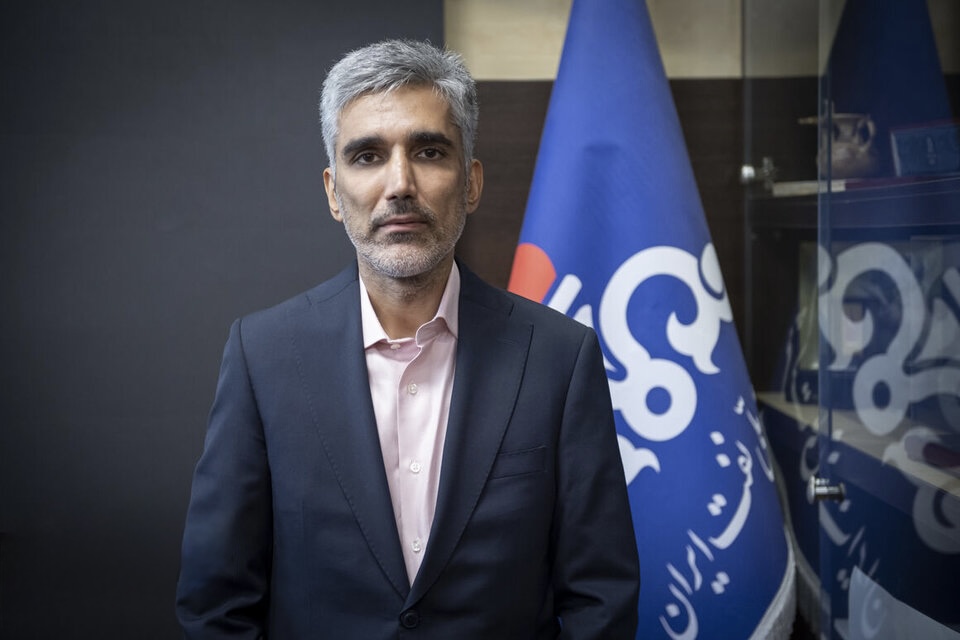
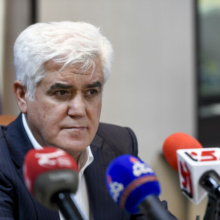
RoydadNaft – Iran is moving to expand private sector participation in oil processing as part of a broader reform of project execution within the National Iranian Oil Company (NIOC), according to Amir Moqiseh, NIOC’s director of investment and business development.
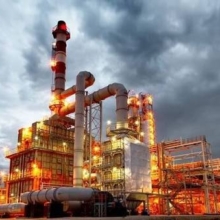
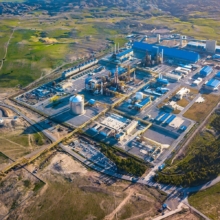
Moqiseh said that under newly implemented public-private partnership (PPP) projects based on skid-mounted equipment, about 12% of NIOC’s oil refining and processing operations will be handled by private and non-governmental companies.
He explained that in the past, crude oil development units were typically built under conventional EPC contracts, officially scheduled for three years but often taking more than five years to complete. Projects such as those in Ahvaz and the Central Treatment and Export Plant (CTEP) of the South Azadegan joint field were cited as examples of prolonged execution timelines.
By contrast, Moqiseh said, skid-mounted facilities developed under PPP contracts can be completed in less than two years. These contracts generally run for 10 years and are backed by legal obligations requiring government bodies to transfer eligible projects to investors under PPP frameworks, as stipulated in Article 20 of Iran’s Seventh Five-Year Development Plan (2024–28) and Article 40 of the Production and Infrastructure Financing Law.
In the first phase of the program, private sector contracts were awarded to process 115,000 barrels of crude oil per day from the Mansouri (Asmari), Qale-Nar, Kaboud and Balaroud fields.
In the second phase, six additional contracts worth $1.671 billion were signed to process another 315,000 barrels per day, covering the Mansouri (Bangestan) field with 65,000 barrels, Abtimur with 30,000 barrels, Ramshir with 55,000 barrels, Koranj with 55,000 barrels, Golkhari with 60,000 barrels, and Mansourabad with 50,000 barrels per day.
Moqiseh said the total crude volume covered by skid-mounted PPP projects now stands at 430,000 barrels per day, including 190,000 barrels aimed at boosting production and 240,000 barrels dedicated to maintaining output and improving crude quality.
He stressed that the accelerated timelines are largely driven by private sector incentives, noting that investors are motivated to complete projects quickly in order to begin receiving payments, unlike traditional state-run contracts that often face delays.
Separately, Moqiseh said NIOC has signed PPP agreements with six investors for the procurement of 20 onshore drilling rigs, each with a capacity of 2,000 horsepower, under a five-year guaranteed purchase scheme. The companies are required to supply new rigs from abroad within six months, with NIOC committing to purchase drilling services under long-term contracts.