Global Crude Oil Prices Today (December 31, 2025) / Brent Crude Price Falls to $61.13
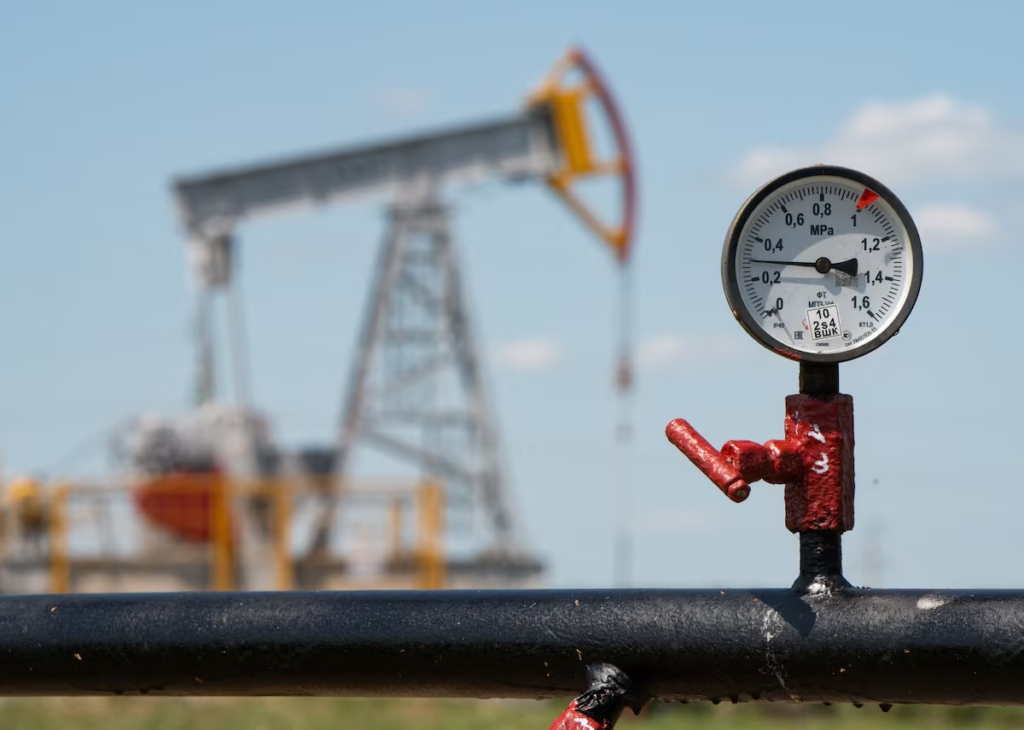
RoydadNaft –Oil prices dipped slightly on Wednesday and are on track to record a more than 15% decline for 2025, as concerns grow over oversupply in a year marked by wars, higher tariffs, increased production from OPEC+ and sanctions on Russia, Iran and Venezuela.
Brent futures are heading for their third consecutive annual loss, nearly 18% down, marking the longest annual losing streak for this benchmark since 2020. WTI is also poised for about a 19% annual decline.
A commodities analyst at BNP Paribas, Jason Yeung, expects Brent to drop to $55 a barrel in the first quarter and then recover to around $60 later in 2026, as supply growth gradually stabilizes while demand remains steady. He said the bearish near-term outlook reflects U.S. shale producers’ ability to hedge at higher price levels.
He added that this could make shale supply more resilient and less sensitive to price swings.
According to LSEG data, average Brent and WTI prices in 2025 hit their lowest levels since 2020. Brent rose modestly by nine cents to $61.42, and WTI rose 10 cents to $58.05.
Market sources said U.S. crude and petroleum inventories increased last week, based on American Petroleum Institute figures; the U.S. Energy Information Administration (EIA) was scheduled to release its own data later Wednesday.
Strong start to 2025:
The oil market began 2025 robustly when then-President Joe Biden ended his term with stringent sanctions on Russia, disrupting supply to key buyers like China and India.
The Ukraine war escalated with Ukrainian drones targeting Russian energy facilities and disruptions to Kazakh oil exports, while a 12-day conflict between Iran and Israel in June threatened shipping through the Strait of Hormuz, pushing prices up.
In recent weeks, geopolitical tensions continued: key OPEC producers such as Saudi Arabia and the UAE have been engaged in conflict in Yemen, and former U.S. President Donald Trump ordered blocks on Venezuelan oil exports and threatened further action against Iran.
However, prices eased after OPEC+ accelerated production increases this year and concerns grew over the impact of U.S. tariffs on global fuel demand.
OPEC+:
The Organization of the Petroleum Exporting Countries and its allies halted output increases for the first quarter of 2026 after adding about 2.9 million barrels per day to the market since April. Their next meeting was slated for January 4.
Most analysts expect supply to outpace demand next year, with estimates from the International Energy Agency of up to 3.84 million bpd and Goldman Sachs around 2 million bpd.
Martin Ratz, global oil strategist at Morgan Stanley, said, “If prices really fall, I expect some cuts (from OPEC+) but likely only once prices drop much lower — maybe into the low $50s.”
John Driscoll, head of consulting at JTD Energy, expects geopolitical risks to support prices even as fundamentals point to oversupply. “Everyone says prices will be weaker into 2026 and beyond, but you can’t ignore geopolitics, and the Trump factor will continue to play a role,” he said.