India Emerges as the Leading Driver of Global Oil Demand, Pushing Peak Beyond 2030

RoydadNaft – After years of predictions pointing to an early peak in global oil demand, 2025 brought a major reassessment, with oil and gas holding a stronger position amid geopolitical tensions, slower renewable energy rollout, and steady consumption growth driven primarily by India.
This year’s major energy outlooks—from global agencies and consultancies—shifted peak oil demand projections into the 2030s and raised long-term forecasts. A key takeaway across these reports: India is set to lead global oil demand growth over the next decade, surpassing China and Southeast Asia combined.
The change stems from delayed renewable deployment, infrastructure bottlenecks, and ongoing conflicts like the Russia-Ukraine war, which kept Europe reliant on fossil fuels amid supply disruptions and elevated prices. In the US, supportive policies bolstered oil and gas production.
In India, 2025 highlighted surging demand, shifting trade patterns, and regulatory updates. The country stayed heavily dependent on imported crude, with Russian oil holding a substantial share despite Western pressure.
Trade and Policy Shifts
For much of the year, Russian crude accounted for over a third of India’s imports, fueling refineries that serve both domestic needs and exports. Despite US calls to cut purchases—including a 50% tariff on Indian goods—imports only dropped significantly after fresh sanctions hit major Russian exporters in late November.
Post-sanctions, Russian crude flows fell from 1.7–1.8 million barrels per day to under 1 million bpd. Since the oil itself wasn’t directly sanctioned, refiners continued sourcing from non-sanctioned suppliers, so a full stop is unlikely.
India also diversified its supply, boosting US crude imports and expanding trade in LNG and LPG to reduce reliance on any single source.
Domestically, the government introduced the Petroleum and Natural Gas Rules, 2025, streamlining licensing to attract more investment in exploration and production.
Oil demand growth stayed robust, with India outpacing China as the world’s fastest-growing major oil market. Refining capacity continued to expand, cementing India’s status as a global refining powerhouse, even as domestic production faced challenges from maturing fields.
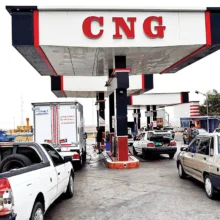
Natural gas use also climbed, driven by pipeline growth and city gas networks, in line with efforts to promote cleaner fuels.
Oil prices remained remarkably stable in 2025—one of the calmest years in recent memory—with Brent crude mostly trading in the low $60s to low $70s per barrel, dipping to around $59–60 by mid-December. This stability held despite wars, sanctions, tariffs, and shipping issues, thanks to rising non-OPEC supply, OPEC+ discipline, and subdued demand in key economies.
For India, the steady prices created fiscal breathing room, enabling excise duty hikes on petrol and diesel without raising retail prices.
As 2025 ends, the oil and gas sector faces an uncertain future shaped by geopolitical risks, evolving demand trends, and climate goals—yet India’s growing influence in global energy markets remains a defining factor heading into 2026.