Global Crude Oil Prices Today (December 17, 2025) / Brent Oil Rises to $59.71 per Barrel

RoydadNaft – Oil prices rose more than 1 percent on Wednesday after U.S. President Donald Trump ordered a “complete and total blockade” of all sanctioned oil tankers entering and leaving Venezuela, sparking new geopolitical tensions amid existing concerns over demand.
According to Roydad Naft, Brent futures contracts reached $59.71 per barrel by 05:00 GMT, up 79 cents or 1.3 percent, while U.S. WTI crude rose 77 cents or 1.4 percent to $56.04.
Prices had closed near five-year lows in the previous session due to progress in Russia-Ukraine peace talks, which could lead to the lifting of Western sanctions on Moscow and an increase in supply, while the market grapples with weak global demand.
Trump issued the order to blockade all sanctioned oil tankers entering and leaving Venezuela on Tuesday (December 16, 2025), adding that he now considers the country’s leaders a foreign terrorist organization.
This move could potentially affect 0.4 to 0.5 million barrels of oil per day, and according to a U.S. oil trader, it could raise prices by $1 to $2 per barrel.
However, Asian oil traders said that the rebound in futures buying after prices fell below $60 the previous day was also a key factor in Wednesday’s price increase.
One trader said: “Today’s price is influenced by sentiment from the Venezuela news, but Venezuela’s export volume is relatively small in the global supply share. Given the market’s focus on Russia-Ukraine talks, downside risks remain.”
Another trader said the price rise is likely unsustainable, adding: “This could be a good opportunity for some to establish short positions.”
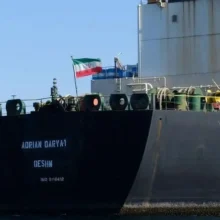
Trump’s recent statements came a week after the U.S. seized a sanctioned oil tanker off the coast of Venezuela.
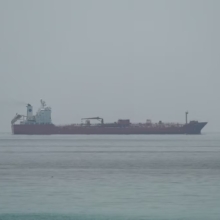
It is unclear how many tankers will be affected, how the U.S. will enforce this blockade against sanctioned vessels, and whether Trump will resort to the Coast Guard as he did last week. In recent months, the U.S. has deployed warships to the region.
While many ships loading Venezuelan oil are under sanctions, others carrying the country’s oil as well as crude from Iran and Russia are not sanctioned. Tankers chartered by Chevron also transport Venezuelan crude to the U.S. under prior Washington authorization.
China is the largest buyer of Venezuelan crude, accounting for about 4 percent of its imports.
Analysts say the oil market is currently well-supplied, but if the blockade continues for an extended period, crude oil prices are likely to rise further.
Amrit Jamil, senior oil analyst at LSEG, said: “In the short term, a sharp price spike is unlikely unless retaliatory actions occur that affect broader U.S. regional oil and gas systems, while expectations of global supply surplus remain the focus of trading.”
“But in the long term, any prolonged disruption could provide support for heavy crude grades.”