India Turns to Guyana for Crude as US Sanctions Squeeze Russian Supply Route

RoydadNaft – Two supertankers carrying a combined 4 million barrels of Guyanese crude are en route to India on an 11,000-mile journey, marking the first direct shipments from the South American nation since 2021 as Indian refiners scramble to replace sanctioned Russian barrels.
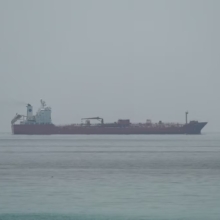
The VLCCs Cobalt Nova and Olympic Lion departed Guyana in late November and are scheduled to reach Indian ports in January, according to vessel-tracking data compiled by Bloomberg. The long-haul voyage underscores the dramatic rerouting of global oil flows triggered by fresh U.S. sanctions on Russia’s shadow fleet and major exporters.
India, which had grown reliant on roughly 1.7 million barrels per day of discounted Russian crude, is diversifying rapidly after Washington last month targeted Rosneft and Lukoil cargoes and intensified enforcement against “dark fleet” tankers. Compounding the pressure, the incoming Trump administration’s August decision to double tariffs on all Indian imports to 50% has heightened caution among refiners wary of secondary sanctions.
The Olympic Lion is carrying 2 million barrels of Guyana’s Golden Arrowhead crude to Indian Oil Corporation’s 300,000-bpd Paradip refinery on India’s east coast—an October tender won by ExxonMobil. The Cobalt Nova is laden with a blended cargo of Liza and Unity Gold grades destined for Hindustan Petroleum plants, likely in Mumbai or Visakhapatnam.
These are only the third and fourth cargoes ever shipped directly from Guyana to India; the previous two (1 million barrels each) arrived in 2021 before Russia’s invasion of Ukraine reshaped global trade.
Guyana, now the world’s fastest-growing oil producer thanks to ExxonMobil’s massive Stabroek Block discoveries, has emerged as an attractive alternative with its light, sweet grades ideally suited for India’s complex refineries. The Latin American nation pumped over 650,000 bpd in November and is on track to surpass 1 million bpd by 2027.
As Russia’s market share in India slips for the first time in over three years, Middle Eastern producers and new entrants like Guyana and Brazil are rushing to fill the void. Industry sources say at least three additional Guyanese cargoes are already under negotiation for first-quarter 2026 delivery.
The great detour from Georgetown to Gujarat illustrates both the resilience and the rising cost of India’s quest for energy security in an increasingly fragmented oil market.