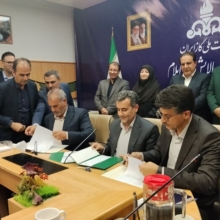
Iran’s Khartang Gas Field to Start Production Earlier Than Planned, Boosting Winter Supply
RoydadNaft – In a significant boost to Iran’s energy security, the National Iranian Oil Company (NIOC) announced that the Khartang gas field, straddling the rugged border of Bushehr and Fars provinces, will begin producing 5 million cubic meters of gas per day as early as December 2025—four months ahead of its original schedule.
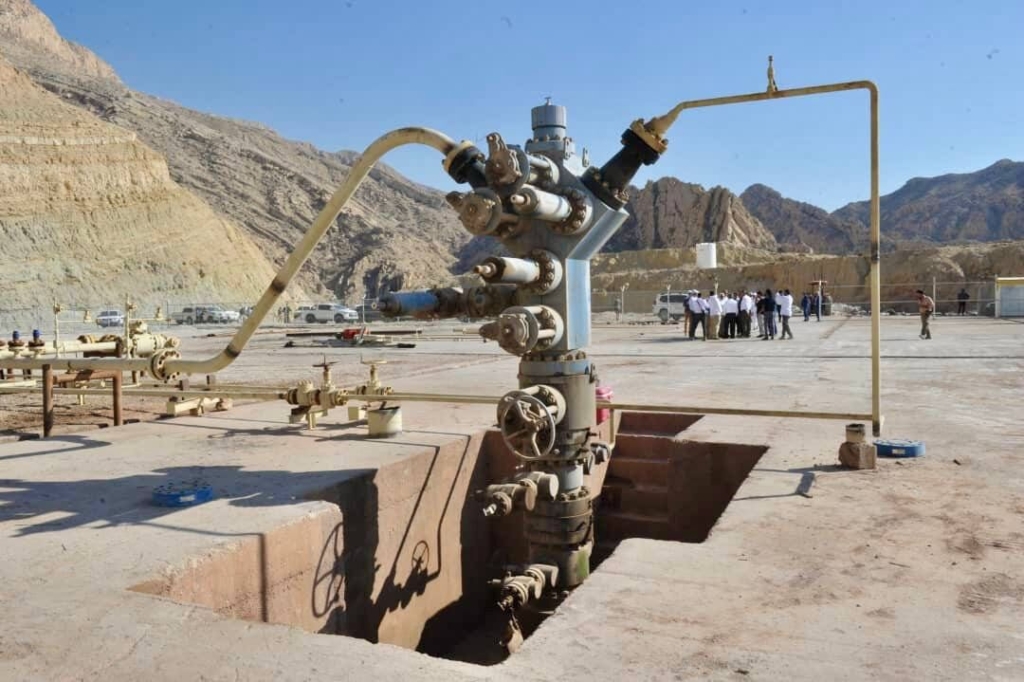
The accelerated timeline comes amid ongoing efforts to address the country’s energy imbalances and ensure a stable gas supply through the harsh winter months. Originally slated for late spring 2026, the field’s ramp-up is a testament to round-the-clock operations by field crews, who are extracting gas from challenging rocky terrain.
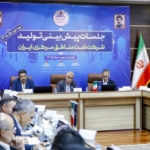
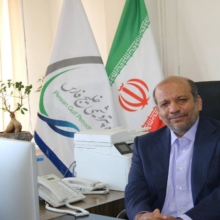
Hamid Bord, NIOC’s managing director and deputy oil minister, visited the remote site on Monday, where he praised the “tireless dedication” of Central Oil Fields Company staff. “These workers endure extreme hardships to pull gas from the heart of the mountains,” Bord said. “Efficient gas consumption by the public is the best way to honor their efforts and this national treasure.”
Bord emphasized that winter gas reliability isn’t a seasonal fix but the result of “months of meticulous planning, continuous technical operations, and the presence of skilled teams in the harshest climatic conditions.” He hailed the Khartang project as a prime example of seamless teamwork among engineers, drillers, operators, and support staff who “quietly uphold the pillars of the nation’s energy supply.”
Three Wells Ready, More Drilling Underway
During the visit, Farrokh Alikhani, NIOC’s integrated planning director, provided an update on progress: Three wells are now fully equipped for production, poised to deliver between 4 and 5 million cubic meters of gas daily once online.
“This volume was projected for the end of spring 2026, but due to the energy shortfall gripping the country, our colleagues have accelerated efforts to bring it to the grid by December this year,” Alikhani noted.
Phase one of the development calls for drilling eight wells in total. Peyman Emani, managing director of the Central Oil Fields Company, reported that four wells are currently under active drilling, with surface facilities installed on two. The project’s infrastructure will be completed with a 40-kilometer pipeline linking the field to the Kangan gas processing plant, helping to offset national supply gaps.
The Khartang field, long eyed for its untapped potential in Iran’s vast hydrocarbon reserves, underscores the government’s push to enhance domestic production amid global sanctions and rising seasonal demand. Officials project the early output will play a crucial role in stabilizing power generation and heating needs as temperatures drop.
As Iran navigates its energy challenges, initiatives like this highlight the resilience of its upstream sector—delivering results not just on paper, but from the unforgiving front lines of the field.