India Eyes Potential Fuel Price Cut as Global Crude Oil Prices Stabilize

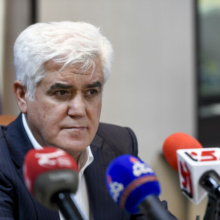
RoydadNaft – New Delhi, July 20, 2025 – India’s Union Petroleum and Natural Gas Minister, Hardeep Singh Puri, has raised hopes for a potential reduction in petrol and diesel prices, contingent on global crude oil prices remaining stable at their current levels for the next two to three months. The announcement comes as a beacon of optimism for Indian consumers grappling with high fuel costs amid a volatile global energy market.
Speaking on Thursday, July 17, 2025, Puri highlighted India’s strategic efforts to diversify its crude oil import sources, which have expanded from 27 to 40 countries. This diversification, coupled with stable global crude oil prices, could pave the way for lower fuel prices at the pump. “The price of oil will come down as more sources of supplies are coming. We have enough oil around,” Puri stated, emphasizing India’s proactive approach to securing energy supplies.
Global crude oil prices have remained relatively subdued, with Brent crude trading in the $70-75 per barrel range since September 2024, following a slump below $70 per barrel. This stability, despite geopolitical tensions in the Middle East and Eastern Europe, has fueled expectations of a possible fuel price cut, the first since a Rs 2 per litre reduction on March 14, 2024, ahead of the Lok Sabha elections.
Puri attributed the potential for price relief to India’s diversified import strategy, which includes significant purchases from Russia, now accounting for 38% of India’s crude oil supply, up from just 0.2% in February 2022. “India’s continued purchase of Russian oil has helped stabilize global energy prices, preventing a potential surge to $120-130 per barrel,” Puri noted, addressing critics of India’s import policies.
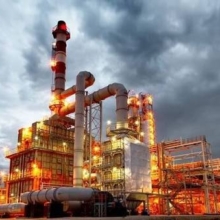
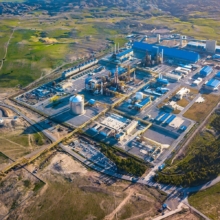
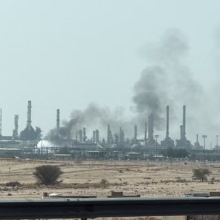
The minister also highlighted India’s robust energy security measures, including the expansion of strategic petroleum reserves and a refining capacity of 257 million metric tonnes per annum across 23 operational refineries. Additionally, India’s shift towards alternative routes for oil imports has reduced reliance on the Strait of Hormuz, further insulating the country from regional disruptions.
However, Puri cautioned that any escalation in global crude prices, such as a rise to $80 per barrel, could limit the scope for price reductions. Factors like the dollar exchange rate, insurance, and freight charges also play a role in determining domestic fuel prices. Despite these challenges, Puri emphasized that India’s petrol and diesel prices remain lower than those in neighboring countries like Sri Lanka, Bangladesh, and Pakistan, and have performed better globally over the past three years.
While state-run oil marketing companies (OMCs) have yet to pass on the benefits of lower crude prices due to losses incurred on domestic LPG and other subsidies, Puri’s remarks have sparked optimism. Posts on X echoed this sentiment, with users expressing relief at the prospect of a price cut if crude prices hold steady.
As India, the world’s third-largest oil importer, continues to navigate the trilemma of energy availability, affordability, and sustainability, consumers will be watching closely to see if the government’s expectations translate into relief at the fuel pumps by late 2025.
Sources: The Economic Times, Reuters, Times of India, and posts on X.