Economy Minister: Iran’s Oil Income Rises Five-Fold Despite US Sanctions

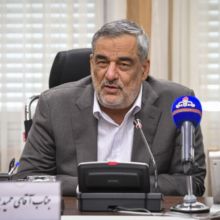
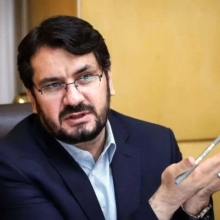
Iranian Minister of Finance and Economic Affairs Ehsan Khandouzi said on Sunday that the country’s oil revenues have considerably increased compared to the last year, despite unrelenting US embargos, and added that Tehran has considered two scenarios to govern the country if sanctions are lifted or remain in place.
In a press conference in Tehran, Khandouzi stated that Iran’s oil income has increased five-fold compared to last year and eleven-fold compared to the year before despite harsh Washington-led sanctions, raising hopes that many of the economic hardships in the country will soon be tackled.
He added the country witnessed a 22-billion-dollar leap in its exports this year.
The government’s economic spokesman also noted that the government has succeeded in reducing the runaway liquidity from an annual growth of 40.5 percent to 35 percent, an achilles heel of the Iranian economy.
He said the administration of Iranian President Seyed Ebrahim Rayeesi took over in a turbulent economic situation in August 2021, when the country had been hit hard by the coronavirus pandemic and the economy had been tied to the fate of the nuclear deal, officially known as the Joint Comprehensive Plan of Action (JCPOA).
He added controlling the fundamental factors of inflation, promoting economic justice, and transparency in the government’s performance have been among the priorities of the current administration.
The economy minister, however, noted despite the achievements, the inflation index in Iran is still far from the government’s goal in the economic plan, and the government has taken several measures to reduce inflation.
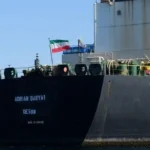
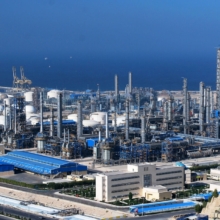
Iran says it is selling its crude oil despite US sanctions and the revenues are returned to the country.
A recent report published by Fars News Agency (FNA) shows that crude oil exports from the country have remained at levels above 1 million barrels per day (bpd) since the start of the calendar year in late March.
Back in July, Iranian Oil Ministry announced the country’s increased crude sales and prices last year helped the government cut the budget deficit and manage fluctuations in the foreign exchange market despite the US sanctions.
In early May, President Rayeesi said that his government has boosted oil exports and developed economic and trade relations with the neighboring states in order to neutralize the US sanctions.
Analysts believe US President Joe Biden and his Democratic Party will pay a political price in the midterm congressional election if they fail to remove Anti-Tehran sanctions and do not allow more Iranian crude to enter the international markets.
They say the Europeans feel a strong need for an agreement with Iran in the Vienna talks as they are in need of the country’s oil and gas due to Ukraine-Russia war, adding that Europe is paying the price for Washington policies.