
Russia, Iran oil sanctions lead to cheaper fuel sent to Asia
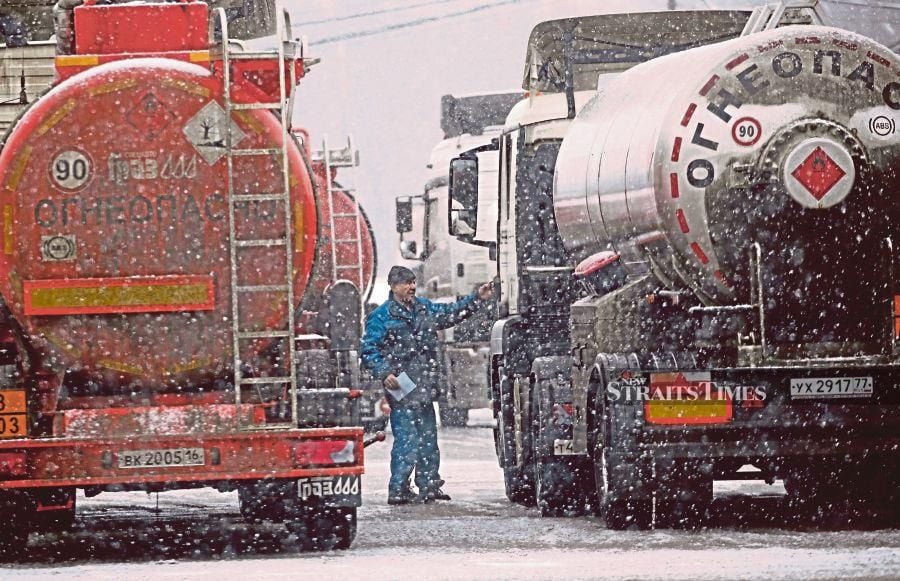
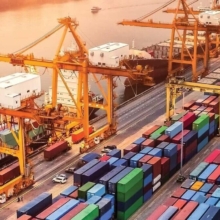
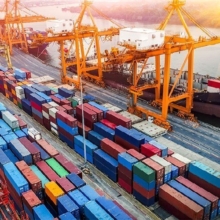
Western sanctions on Russian and Iranian oil have channelled cheap fuel to Asia and in the process eroded a decades-long trend whereby the continent has paid more for energy than Europe, said traders, analysts and Refinitiv Eikon data.
Analysts and government officials from consumer countries use the term Asian premium to refer to the higher prices Asian importers have paid for oil sold by big exporters, such as members of the Organisation of the Petroleum Exporting Countries (Opec).
For Asia, a weakened premium amounts to an economic stimulus, highlighting another unintended consequence of the Western sanctions on oil and gas exporter Moscow, which also led to a surge in the amount Europeans have paid for natural gas.
“It’s safe to say that some major consumers in Asia, most notably India and China, are the major winners of the sanctions,” Ole Hansen, head of commodity strategy at Saxo Bank, said.
Western sanctions have led Russia to sell more than twice as much crude to Asia in the year to January, according to Kpler data.
Iran, under US sanctions, has boosted exports to the highest in three years on some estimates, with China the biggest buyer.
Russia’s flagship export blend Urals, which before the Ukraine invasion was sold in Europe at a few dollars a barrel below the value of benchmark dated Brent, is being sold in Asia at a discount of minus US$24, according to Refinitiv Eikon data.
Industry sources say, the discount is narrower at US$10 to US$15 per barrel.
Even at a discount of around US$15 per barrel, a refinery in India processing 200,000 barrels per day would save US$3 million a day on its crude purchases compared with a European rival.
On an annual basis, the savings would exceed US$1 billion.
The Asian premium dates back to when producer countries began issuing marker prices for their crude in the 1980s, and they could be higher for buyers in Asia, who were more dependent on imports, making them price-takers.
Asian buyers have made previous attempts to erode the premium, investing in refining capacity to boost their demand
and improve their negotiating power.
Saudi Arabia and other leading exporters have reflected the current shifts in significantly lower official selling prices expressed as differentials to regional benchmarks.
“Iran and now Russia increasingly compete on price, and other Middle-East producers must adjust their prices accordingly, the result being relatively higher selling prices to Europe,” Saxo Bank’s Hansen said.
Now, with Europe losing Russian crude as a source of supply, the continent needs to draw oil from further afield and “in theory, the Middle East pricing becomes worse for Europeans”.
Neil Atkinson, an independent analyst and former senior International Energy Agency official, said the drop in Russia’s Western shipments and its discounted Indian sales were making the Asian premium redundant.
Not all see Europe paying elevated prices for the longer term as other suppliers, from which Asia is buying less fill the gap, and an end to the Ukraine war could restore the flow of Russian crude.
“Once the war is over, I believe some normality will return and eventually sanctions will be lifted, allowing Russia to compete on equal terms for customers,” Saxo Bank’s Hansen said.