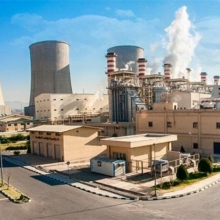

French LNG terminals, refineries extend strike to second week
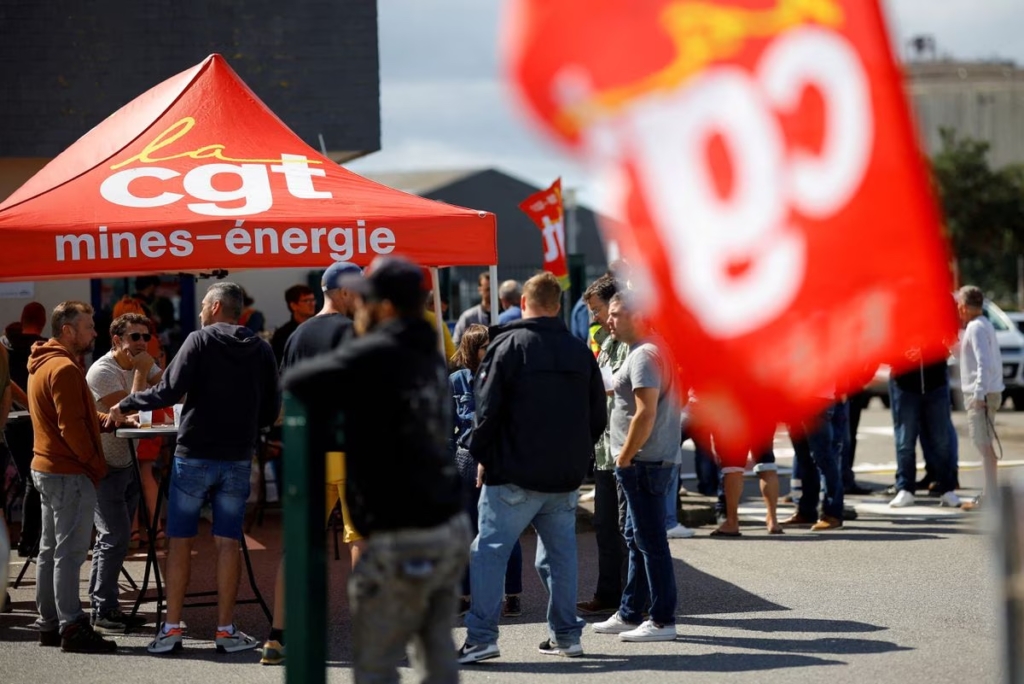
Strikes against the French government’s planned pension reform entered a second week on Wednesday, disrupting maintenance at nuclear reactors, hitting liquefied natural gas (LNG) prices, and blocking some shipments from refineries and depots.
A broad alliance of unions has called for an eighth day of street protests across France since mid-January to contest President Emmanuel Macron’s plans to raise the state pension age by two years to 64.
At least seven LNG ships heading to France have changed course to terminals in Britain, the Netherlands and Spain since the strike action started. The closure of French terminals for another week would significantly hamper France’s ability to export gas to neighbouring countries.
Analysts and traders said cargoes planned for the upcoming week would also be diverted to other terminals, and some would likely be delayed. So far most of these cargoes have stayed in Europe.
On March 5, the day before LNG strikes started, deliveries from the four French terminals totalled about 1,165 gigawatt-hours per day (GWh/d). That shrank to 600 GWh/d on March 6 and has been at zero since March 7, Refinitiv data showed.
The French strikes have led to discounted offers on prompt cargoes and a widening spread between European LNG cargoes and natural gas hubs, the managing editor of Atlantic LNG, Allen Reed, said.
As cargoes get delayed, traders offer discounts in order to offload them.
S&P Global Commodity Insights assessed its daily north-west Europe LNG Marker (NWM) price benchmark for cargoes delivered in March on an ex-ship (DES) basis at $13.053 per million British thermal units (mmBtu) on March 14, up from $12.044/mmBtu on March 7.
That is a discount of $0.987/mmBtu to the April gas price at the Dutch gas TTF hub.
The three LNG terminals operated by Engie (ENGIE.PA) subsidiary Elengy are expected to remain blocked until March 21, a company spokesperson said.
The Fluxys terminal (FLUX.BR) in Dunkirk, northern France, which has also been affected by the strike, is expected to remain disrupted until Friday morning.
Maintenance was also blocked at 13 French nuclear reactors, up from six on Friday when the maintenance disruptions started, a CGT union spokesperson told Reuters.
French power supply from nuclear, thermal and hydro power plants was reduced by 15.1 gigawatts (GW) due the strike, the union representative said.
That equates to 25% of current total power production, data from grid operator RTE showed. However, France was exporting 2.4 GW to neighbours after morning imports, suggesting domestic supply is sufficient to meet demand.
Among refiners, deliveries of refined products were partially blocked from leaving TotalEnergies’ (TTEF.PA) refineries and depots, while refining operations continued, a company spokesperson said.
“We are providing the necessary shipments to keep our facilities in operation,” the spokesperson added.
The Fos refinery in southern France operated by ExxonMobil’s (XOM.N) subsidiary Esso was also back on strike on Wednesday, a union representative told.