
Oil, Energy, India–U.S. Relations, and the Russia Dilemma
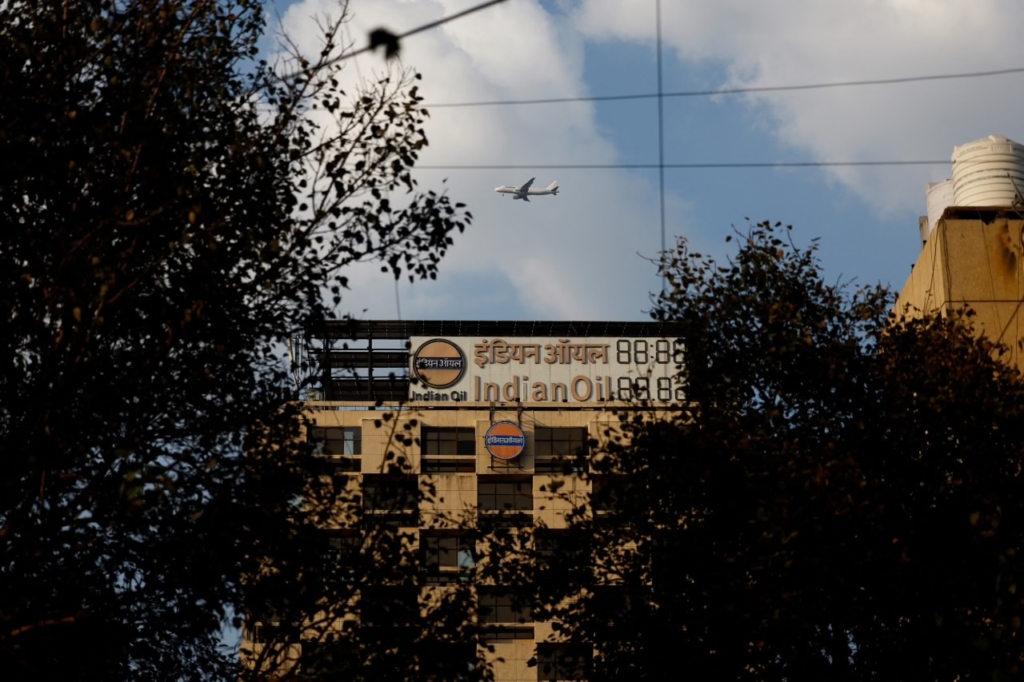
RoydadNaft – Oil—the dominant global energy source of the 20th century—represents a structural vulnerability for India. As the world’s third-largest oil consumer, India relies on oil for roughly one-quarter of its primary energy use and a similar share of its carbon emissions. Yet with limited domestic reserves, the country imports nearly 87% of its crude oil. By contrast, coal—its most heavily used and emissions-intensive fuel—is abundantly available at home.
According to the International Energy Agency’s World Energy Outlook 2025, India will drive global oil demand growth over the coming decade, accounting for nearly half of the net increase worldwide. Demand is forecast to climb from 5.5 million barrels per day (mb/d) in 2024 to 8 mb/d in 2035—the largest rise of any country—and to keep growing through 2050. As a result, India’s oil import dependence is expected to rise from 87% in 2024 to 92% in 2035, even with determined efforts to boost domestic output.
The choices India makes to satisfy this rising demand will have major implications for its climate commitments, long-term energy outlook, and geopolitical relationships—especially as those decisions are increasingly influenced by a shifting global order. It is therefore essential to understand India’s core national interests and oil strategy, examine how global forces may affect its push for energy self-reliance, and identify areas of alignment or friction with the United States on energy issues.
India’s Resources, Needs, and Oil Strategy
India’s 21st-century energy policy and transition are driven above all by the need for domestic energy security. With imports meeting more than 40% of its primary energy requirements today, India has set the goal of achieving full energy self-reliance by 2047—the 100th anniversary of independence. To reach that target, it has adopted a pragmatic “all-of-the-above” strategy that emphasizes expanding domestic production, developing alternative energy sources, and diversifying oil suppliers.
India’s oil approach is therefore multi-pronged, aiming to lower crude import dependence and reduce exposure to geopolitical chokepoints. Key elements include:
• Boosting domestic exploration — In 2022 the government opened roughly one million square kilometers of previously restricted offshore acreage and introduced incentives such as reduced royalties, zero revenue-sharing in some cases, and other regulatory easing to spur investment and output. Despite these steps, domestic crude production fell 2.5% in 2024–25, and aging fields have contributed to a 26% decline over the past decade.
• Expanding infrastructure — To handle projected demand and strengthen security, India is building additional strategic petroleum reserves (aiming for up to 90 days of consumption coverage) and plans to increase refining capacity 20% to 309 million metric tonnes per year by 2030.
• Promoting alternatives — The country is aggressively pursuing ethanol, natural gas, biofuels, and electrification. It reached 20% ethanol blending in gasoline in 2025—five years ahead of the original 2030 schedule—and electric vehicles accounted for 8% of new vehicle registrations in 2025, with a 30% target by 2030 backed by incentives for producers and consumers. These efforts have noticeably slowed the rise in oil import demand.
• Diversifying suppliers — India has pragmatically broadened its oil sources to reduce geopolitical risks. Over the past two decades it has expanded from 27 to more than 40 supplier countries. In the 2000s, West Asia (Iran, Iraq, Kuwait, Saudi Arabia, UAE) supplied over two-thirds of imports. From the mid-2000s onward it added African (Angola, Nigeria) and Latin American (Mexico, Venezuela) sources. U.S. and UN sanctions on Iran after 2010 forced a sharp cut (from >10% to near zero by 2020), which accelerated diversification; the U.S. became a top-10 supplier by 2018–19, while Russia remained marginal until 2022.
The Russia–Ukraine war triggered one of the most dramatic shifts in global oil flows in decades. After Russia’s 2022 invasion, Western sanctions prompted Moscow to offer deep discounts to Asian buyers. India—citing strategic autonomy—neither condemned Russia nor reduced economic ties, and instead dramatically ramped up Russian crude purchases.
Before the invasion, Russia supplied <1% of India’s imports. By 2022–23 its share jumped to 21.6%, then 35.9% in 2023–24 and 35.8% in 2024–25—making Russia India’s largest supplier. Long-standing defense, trade, and diplomatic links, plus new shipping, insurance, and payment channels, enabled the surge. Discounted Russian oil also helped India become a major exporter of refined products (especially to Europe), with exports to the continent rising sharply.
The United States responded by using trade talks to exert pressure. In August 2025 President Trump issued an executive order adding a 25% tariff on Indian exports (on top of an existing reciprocal 25%), and repeatedly threatened to raise it to 500% if India continued buying Russian crude. India denounced the measures as unfair and pointed to Western double standards (continued imports of Russian goods by the U.S. and EU).
Under sustained pressure and amid parallel trade negotiations, Russian imports fell to a 38-month low in December 2025, while U.S. crude imports rose 31% year-on-year. On February 2, 2026, the two countries announced a trade agreement. Trump claimed India had committed to halt Russian purchases and switch to U.S. and possibly Venezuelan oil. India has not confirmed any such pledge, reiterating that energy security for 1.4 billion citizens remains its top priority and that it will continue diversifying suppliers based on market conditions—including openness to Venezuela.
Interpreting the India–U.S. Rift (and remaining sections summarized in natural flow)
The current friction echoes earlier episodes (e.g., pressure to cut Iranian and Venezuelan imports in the 2010s), but is intensified by Trump-era enforcement of secondary sanctions. India has benefited from cheaper Russian barrels to stabilize domestic fuel prices, yet it is gradually shifting under U.S. leverage—accepting higher costs from non-sanctioned sources.
Looking forward, oil’s geopolitical weight persists despite the clean-energy transition. Sanctions will likely remain a U.S. tool; India will keep diversifying without completely abandoning discounted options. The broader U.S.–India energy partnership—nuclear, LNG, critical minerals, clean tech—remains strong and largely insulated from oil disputes. Private-sector and technical cooperation have shown resilience.
India’s long-term priorities include curbing oil demand through public transport, faster EV adoption, and renewables integration; scaling overseas oil & gas equity investments; and crafting an industrial policy that balances refining ambitions with clean-tech manufacturing and true energy sovereignty.
This analysis underscores that for India, energy imports are never purely commercial—they are deeply intertwined with geopolitical navigation, economic welfare, and national autonomy in an uncertain world.